Northern Cape Travel Guide - Kgalagadi, Namaqualand
Northern Cape: Kgalagadi for lions and cheetahs, Namaqualand wildflowers in spring, Augrabies Falls, and the remote Richtersveld landscape.
Search hotels in Kimberley on Booking.com
The Northern Cape is South Africa’s largest province by area and one of its least populated. It’s an extreme landscape - vast, arid, sparsely inhabited - that rewards visitors prepared to cover serious distances. Nothing here is quick or easy to reach. That is also partly why it’s so good.
The three main draws are Kgalagadi for predator safari, Namaqualand for the annual wildflower displays, and Kimberley for its diamond history. None are on the standard tourist trail, which means the crowds aren’t either. For context on how this region fits into a broader South Africa trip, see the South Africa country guide.
Northern Cape at a Glance
| Destination | Distance from Cape Town | Best time | Highlights |
|---|---|---|---|
| Kgalagadi | 10–11 hours (or fly to Upington) | May–Aug | Lion, cheetah, red dunes, predator concentration |
| Namaqualand | 6 hours north on N7 | Aug–Sep | Wildflower season; carpets of orange daisies |
| Kimberley | 10 hours (or fly) | Year-round | Big Hole, diamond rush history, Victorian town |
| Augrabies Falls | 11 hours (or via Upington) | Apr–Jun | Orange River waterfall, gorge, oryx |
| Richtersveld | 12+ hours or fly | Apr–Sep | UNESCO canyon, succulent desert, remote |
Kgalagadi Transfrontier Park
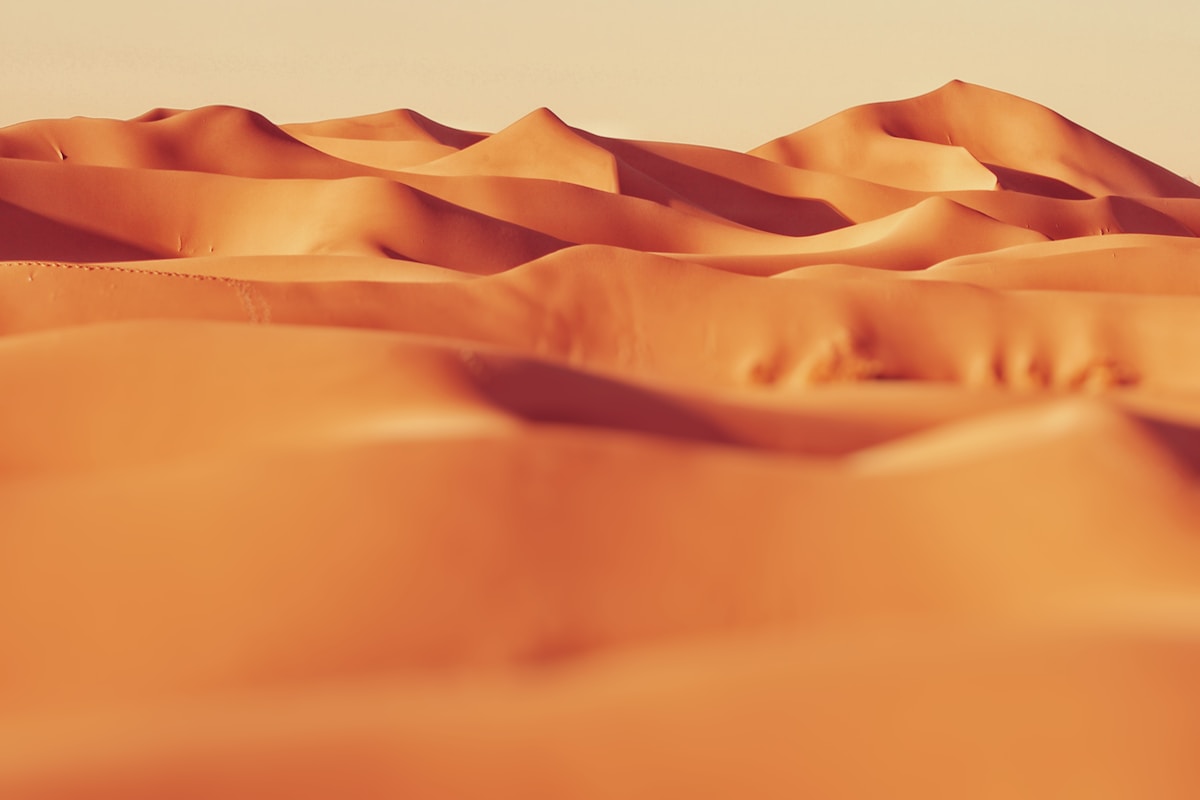
A joint park shared between South Africa and Botswana, covering nearly 38,000 km² of the Kalahari semi-desert. One of the best places in Africa for open-terrain predator sightings - specifically lion, cheetah, leopard, and spotted hyena - in conditions where visibility across the flat red-dune landscape is exceptional.
The park is characterised by two dry riverbeds (the Nossob and Auob) lined with camel thorn acacias. Water points along the riverbeds concentrate predators and prey. On a good morning drive you can see multiple lion, cheetah hunting, and raptors in the acacias.
Entry costs (2025/26, international visitors):
- R440 per adult per day conservation fee
- R204 per vehicle entry
- Book accommodation through sanparks.org - the park is remote and camps have limited capacity; book months ahead
Rest Camps - Costs and Character
| Camp | Location | Accommodation from | Notes |
|---|---|---|---|
| Twee Rivieren | Main gate | R1,000/night chalet | Main gate camp; most facilities (pool, shop, restaurant); largest camp |
| Nossob | Deep north on Nossob riverbed | R900/night chalet | More remote; excellent predator territory; drives from here are often the best |
| Mata Mata | Western side, Namibian border | R900/night chalet | Good cheetah country; different vegetation |
| Camping | Various camps | R300/night | Tent sites at all three camps; cold nights |
| Wilderness camps | Various remote locations | R1,200–2,500 | Exclusive small camps; book 11 months ahead |
| Kalahari Tented Camp | Between Twee Rivieren and Nossob | R1,800 | SANParks tented camp; good base for day drives |
Private lodge options:
- Kalahari Red Dunes Lodge - private reserve adjacent to Kgalagadi; from R4,500 all-inclusive; guided game drives, no SANParks crowds
- Molopo Kalahari Lodge - just outside the park; from R2,000; self-catering and B&B options
Getting to Kgalagadi
Fly: Joburg or Cape Town to Upington airport (Airlink daily from both). Hire a car in Upington (limited options - book ahead). Drive 3 hours north on the R360 to Twee Rivieren gate.
Drive from Cape Town: 10–11 hours on the N1 north to Three Sisters, then the N10 through Prieska and Upington. Long but doable in a day if you start early.
Drive from Johannesburg: 9–10 hours on the N12 west through Kimberley and Upington.
Preparation checklist: Extra water (3 litres per person per day minimum), full tank before entering (no fuel inside the park except at Twee Rivieren and Nossob), food for all days inside (shop at Twee Rivieren is limited), and a basic toolkit. Don’t drive at night.
Best Time for Kgalagadi
| Season | Conditions | Why go |
|---|---|---|
| May–August (winter) | Day: 15–22°C; night: -5°C possible | Best predator viewing; animals concentrate at water; dry conditions |
| September–October | Heating up; 25–35°C days | Still good; fewer visitors; cheetah hunting becomes more active |
| November–February (summer) | Very hot, 40–45°C | Avoid unless specifically for summer rains and wildflowers; extreme conditions |
| March–April | Cooling; 25–35°C | Quiet season; good value; temperatures manageable |
Namaqualand
Every August to September, the normally barren Northern Cape landscape transforms into one of the most spectacular wildflower displays on earth. Orange, yellow, white, and purple daisies cover hundreds of kilometres of semi-arid ground.
Best areas for flowers:
| Location | Distance from Cape Town | Notes |
|---|---|---|
| Namaqua National Park (near Kamieskroon) | 5.5 hours | R204 per adult entry; most reliable flower concentration |
| Springbok area | 6 hours | The main Namaqualand town; flowers on surrounding slopes |
| Nieuwoudtville (Bokkeveld plateau) | 5 hours | Different flower types; bulbs and succulents; off-peak discovery |
| West Coast National Park (Postberg section) | 1.5 hours | Only open in flower season; accessible if Namaqualand timing is missed |
Practical: Flower displays depend on winter rainfall - not every year is equally spectacular, and the exact location of the best flowers shifts. Check the SANBI (South African National Biodiversity Institute) wildflower report at sanbi.org before making the trip. Local accommodation books out rapidly once flowers peak - have a backup plan.
Accommodation in Springbok:
| Property | Category | Rate from | Notes |
|---|---|---|---|
| Springbok Lodge | Mid-range | R1,400 | Most established in town |
| Masonic Hotel | Mid-range | R1,000 | Historic; dated but central |
| Kokerboom | Budget guesthouse | R700 | Simple; good reviews |
| Farm guesthouses | Various | R800–1,500 | Ask at Springbok tourism office |
Kimberley
The capital of the Northern Cape and the site of the most significant diamond rush in history. In 1871 diamonds were found in a low kopje (hill); within a decade the digging had produced the Big Hole - the largest hand-dug excavation in the world, 463 m wide and 240 m deep. At its peak, over 50,000 people worked the site.
| Sight | Entry | Time needed | Notes |
|---|---|---|---|
| Big Hole and Kimberley Mine Museum | R250 adult | 2–3 hours | Reconstructed Victorian rush town, original mine equipment, the hole itself viewed from a platform |
| McGregor Museum | R60 adult | 1.5 hours | Cecil Rhodes’s convalescence home; San rock art; Kimberley history |
| Diggers Pub | Drink prices | Evening | The oldest licensed pub in South Africa (1870); worth a beer |
| Tram ride (historical open tram) | R80 adult | 45 min | Historical ride through the diamond district |
Accommodation in Kimberley:
| Property | Category | Rate from | Notes |
|---|---|---|---|
| Protea Hotel Kimberley | Mid-range | R1,200 | Most reliable hotel in town |
| Milner House | Boutique | R1,400 | Victorian guesthouse; well-reviewed |
| Diamond Protea Lodge | Mid-range | R1,000 | Near mine museum |
| Balmoral Hotel | Budget | R700 | Basic; central |
Getting to Kimberley: 5 hours west of Johannesburg on the N12 - a natural stop if driving to the Kalahari or Northern Cape. 10 hours from Cape Town on the N1/N12. Flights from Joburg (CemAir/Airlink, ~1 hour) are an option if time is short.
Augrabies Falls National Park
On the Orange River, 120 km west of Upington. The Orange River drops 56 m into a narrow granite gorge - one of Africa’s great waterfalls. In flood season (February–April) the flow can be extraordinary, filling the canyon with white water. In dry season the falls are still dramatic and the gorge is accessible.
Entry: R204 per adult (2025/26 SANParks international rate).
| Activity | Notes |
|---|---|
| Falls viewpoint walk | Short and paved; dramatic views into gorge |
| Hiking trails | Half- and full-day routes along the gorge rim |
| Game drive | Oryx, klipspringer, cheetah, springbok |
| Rafting | Guided multi-day Orange River canoe trips available (external operators) |
Accommodation: SANParks Augrabies chalets from R800; campsite from R300. Augrabies Falls Lodge (private, adjacent to the park) from R1,500.
Best time: April–June (after the Orange River floods but before extreme summer heat).
Practical Notes
| Malaria | None - the Northern Cape is malaria-free |
| Distances | Large - fill up at every opportunity; carry water |
| Phone signal | Patchy; download offline maps before leaving Upington or Springbok |
| Costs | Much cheaper than Kruger or Western Cape; main cost is fuel and accommodation |
| Budget guide | Full costs: budget and costs guide |
| Combined with | Kgalagadi + Augrabies + Kimberley makes a good 10-day loop from Johannesburg |
Ready to plan your trip? Tours & Activities in the Northern Cape, Car Hire in South Africa, or Travel Insurance for South Africa.
See Also
- South Africa car rental guide - essential for self-drive in the Northern Cape
- Best time to visit South Africa - Namaqualand flowers peak in August–September
- Johannesburg city guide - usual starting point for a Northern Cape loop
- South Africa safari cost guide - how Kgalagadi compares to Kruger on price
- Health and vaccinations - the Northern Cape is malaria-free, but check requirements if combining with other regions
- Kruger vs Pilanesberg comparison - if you’re weighing Big Five options beyond Kgalagadi
Book an experience
Top experiences in Northern Cape
Best price guaranteed · Instant confirmation · Free cancellation on most bookings
Looking for a place to stay? Browse hotels in Northern Cape , free cancellation on most bookings.