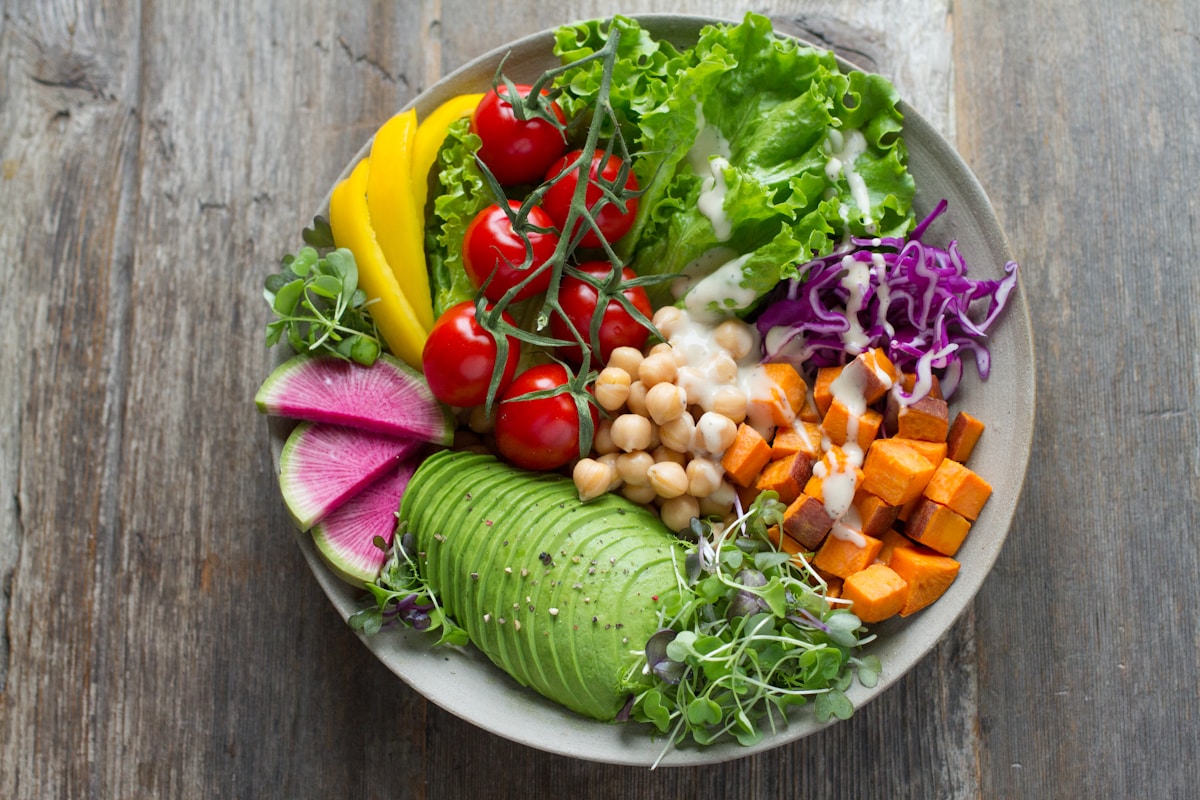
South Africa has one of Africa’s most developed plant-based food scenes, driven largely by Cape Town’s restaurant culture and the country’s large Hindu and Jain communities in KwaZulu-Natal. Vegetarians and vegans will eat very well in the three main cities - though the cultural centrepiece of South African food culture, the braai, requires a bit of strategy.
This guide covers dedicated restaurants in Cape Town, Johannesburg, and Durban, followed by practical advice on navigating braai culture, self-catering options, and useful Afrikaans and Zulu food vocabulary.
For broader restaurant context in each city, see our full Cape Town food guide, Johannesburg food guide, and Durban food guide.
Cape Town
Cape Town has the deepest and most diverse vegan and vegetarian restaurant scene in Africa. The city’s proximity to organic farms, the Atlantic Ocean’s influence on fresh produce, and a health-conscious middle class have produced a cluster of dedicated restaurants that would hold their own in London or Melbourne.
The Kind Kitchen
Located in the Bree Street corridor - the city’s most-watched dining strip - The Kind Kitchen is the most celebrated fully vegan restaurant in Cape Town. The menu is comfort-forward: loaded nachos, plant-based “chicken” burgers, vegan mac and cheese, and a rotating specials board that takes cues from global cuisines. Expect mains from approximately R150–R220. Booking is recommended for weekend evenings.
Lekker Vegan
Lekker means “nice” or “delicious” in Afrikaans and South African slang - the name is well-earned. This restaurant has become a Cape Town institution for its unapologetically South African approach to plant-based food: expect jackfruit boerewors, vegan koeksisters (the traditional syrup-drenched pastry made without eggs), and a proper vegan bunny chow. Two locations operate: one in Observatory, one in the City Bowl. Mains average R120–R180. The Observatory branch has more of a neighbourhood café feel.
Plant
Plant in Tamboerskloof focuses on clean, ingredient-led cooking rather than meat imitation. The menu draws on Mediterranean and Asian influences - think roasted cauliflower steaks, chickpea tagines, and seasonal grain bowls. It has a juice and smoothie bar that draws the post-hike Table Mountain crowd from the surrounding suburb. Mains run approximately R140–R200.
Neighbourgoods Market (Old Biscuit Mill, Woodstock)
Every Saturday (9am–2pm), the Neighbourgoods Market at the Old Biscuit Mill has multiple stalls with vegan and vegetarian options - from artisan sourdough and fresh hummus to fully plant-based hot food stalls. It is not a dedicated vegan event, but the selection is consistently strong and lets you build a substantial lunch for around R100–R150.
Bo-Kaap and Cape Malay food
Cape Malay cuisine - the food tradition brought to the Cape by Muslim slaves from Southeast Asia and Madagascar - uses meat heavily, but many dishes are naturally or easily made vegetarian. Denningvleis (a sweet tamarind stew) is typically made with lamb but the base is entirely plant-forward. Samosas are widely available in vegetable versions. Koesisters (not to be confused with Afrikaner koeksisters - these are spiced, coconut-rolled dough rounds) are vegan. The Heritage Restaurant in Bo-Kaap offers vegetarian options alongside its Cape Malay set menus.
Johannesburg
Joburg’s plant-based scene is more scattered than Cape Town’s but has grown substantially since 2020. The most reliable concentrations are in Greenside, Parkhurst, and the Maboneng Precinct. See our Johannesburg city guide for broader orientation.
Leafy Greens Café
Leafy Greens in Muldersdrift (about 30 minutes from central Johannesburg) operates as a farm-to-table café on a smallholding. It is one of the oldest and most-loved vegetarian restaurants in the country, having operated for over 15 years. The setting - outdoor tables under old trees on a working organic farm - is worth the drive. The menu rotates with what is in season: expect hearty salads, grain dishes, and vegetable curries. Mains from approximately R130–R190. Note that Muldersdrift requires a car or rideshare.
The Greenside Strip
Greenside Avenue in the suburb of Greenside is Joburg’s most food-dense strip, with numerous restaurants offering vegetarian-friendly menus alongside standard meat dishes. Look for Doppio Zero (consistent vegetarian pasta and pizza options, approximately R140–R200), Craft Kitchen (salads, grain bowls), and a number of Indian restaurants along nearby Rudd Road where dhall, paneer dishes, and pure-vegetarian set menus are standard.
44 Stanley Avenue (Milpark)
The artisan complex at 44 Stanley Avenue hosts a range of independent cafés and food businesses. Several have strong vegetarian menus, and the Saturday Neighbourgoods Market here (mirroring the Cape Town edition) draws food stalls with plant-based options. The complex is walkable and worth an hour or two on a weekend morning.
Maboneng Precinct
The redeveloped Maboneng area east of the CBD has a cluster of independent restaurants and the Sunday Arts on Main market, which includes several plant-based food vendors. The neighbourhood is more artsy than polished - expect uneven quality but genuine variety.
Durban
Durban’s largely Indian-origin population has made it one of the most vegetarian-friendly cities in Africa for a completely different reason to Cape Town. The Hindu and Jain communities here have maintained vegetarian food traditions for generations, and purely vegetarian restaurants and takeaways are woven into everyday life - especially around Grey Street and the Victoria Street Market area.
Bunny Chow - the Vegetarian Original
The bunny chow, Durban’s signature dish, is a hollowed-out quarter or half loaf of white bread filled with curry. The vegetarian versions predate the meat versions and remain the most widely eaten: dholl (yellow split pea), bean, or mixed vegetable fillings are standard. Patel’s Vegetarian Refreshments on Cathedral Road is the most cited name among locals - a no-frills counter-service spot that has been operating for decades. Prices start at approximately R60 for a quarter-loaf. The bread itself is made with white flour and typically contains dairy - ask if you are strictly vegan.
Victoria Street Market and the Indian Quarter
The Victoria Street Market area and the surrounding streets around Grey Street form Durban’s historic Indian Quarter. Here you will find purely vegetarian restaurants, dhall and roti specialists, and snack counters selling samoosas (samosas in local spelling), vetkoek (fried dough), and bhajias (gram flour fritters). Many of these establishments have operated as family businesses for two or three generations and do not advertise online - simply walking Grey Street and Cathedral Road will surface options.
Look for the distinction between satvic restaurants (Jain-aligned, no onion, garlic, or root vegetables) and standard Indian vegetarian. Some of the satvic spots will be fully vegan by default.
Britannia Hotel Area
A cluster of Indian vegetarian restaurants operates near the Britannia Hotel on Grey Street. Bring cash - card machines are not universal here. Expect to pay R50–R100 for a full vegetarian meal including bread.
Braai Culture for Vegetarians
The braai is South Africa’s defining food ritual - a social event built around wood-coal fire, boerewors (a coarse beef-and-pork sausage seasoned with coriander, cloves, and nutmeg), and gathered company. The Afrikaans word braai simply means “to grill,” but the cultural weight is closer to a national ceremony.
Arriving at a braai as a vegetarian is straightforward if you come prepared.
What to bring:
- Mielies (corn cobs, meel-ee) - grill directly on the coals, turning often. The charred kernels are outstanding.
- Veggie boerewors - Woolworths and Pick n Pay stock plant-based versions that hold their shape on the grill.
- Portobello mushrooms - marinate in olive oil, garlic, and a splash of soy sauce. Grill for 4–5 minutes per side.
- Braaied butternut - halved butternut squash, scored and brushed with oil, can sit at the edge of the fire for 40–50 minutes until soft.
- Braaibroodjies (the South African grilled sandwich, bry-broy-kees) - two slices of white bread pressed together with cheese, tomato, and onion, and pressed directly on the grill. Fully vegetarian as standard, and one of the most beloved parts of any braai.
What to ask about:
- The rooster koek (a type of unleavened flatbread baked directly on the grill) is typically vegan. Confirm with the host.
- Braai sauce (a Worcestershire-based basting sauce) often contains anchovies - ask before using.
Vegetarian braai word to know: Jy kan nie sonder vleis lewe nie (“you cannot live without meat”) is a common joke directed at vegetarians at braais. It is good-natured. The appropriate response is Kyk hoe lekker lyk my mielies - “look how good my corn looks.”
Biltong Alternatives
Biltong - air-dried, spiced cured meat - is South Africa’s most iconic snack and the subject of obsessive national pride. For vegetarians, the closest equivalents available locally are:
- Dried mango rolls - widely sold at petrol stations and supermarkets across the country. Spiced, chewy, and satisfying as a road-trip snack.
- Mushroom biltong - small-batch producers in Cape Town and Joburg make air-dried spiced mushroom strips that mimic the texture reasonably well. Find them at farmers’ markets and specialty health stores.
- Droëwors-style soy sticks - some health food shops stock a plant-based version of droëwors (dried sausage, droo-eh-vors) - look in stores like Faithful to Nature or Wellness Warehouse.
Self-Catering: Woolworths Food
If you are staying in self-catering accommodation - particularly in smaller towns, along the Garden Route, or in safari gateway towns like Hoedspruit or Hazyview - Woolworths Food is your most reliable resource. The South African Woolworths has no connection to the British or Australian chains; it is a premium supermarket chain with an extensive own-brand plant-based range.
Look for the W Plant-Based label, which covers:
- Meat-free burgers (approximately R80–100 for a pack of 2)
- Plant-based boerewors rolls (R90–110)
- Vegan schnitzel
- Ready meals including a plant-based butter chicken and grain salads
- Oat milk, cashew milk, and soy milk in reliable stock
Pick n Pay and Checkers (the two other major supermarket chains) also stock plant-based ranges under the Fry’s Family Foods brand - a South African brand with strong distribution nationally. Fry’s makes veggie sausages, polony-style slices, schnitzels, and nuggets that are available even in mid-sized towns.
Faithful to Nature (online, ships nationally) stocks a comprehensive range of organic, vegan, and health foods including local specialty items not found in mainstream supermarkets.
Useful Afrikaans and Zulu Food Terms
Navigating menus and markets is easier with a few key terms.
| Afrikaans/Zulu | Pronunciation | Meaning |
|---|---|---|
| Lekker | LEH-ker | Delicious / nice |
| Mielies | MEE-lee | Corn / maize |
| Vleis | FLAYS | Meat |
| Sonder vleis | SON-der FLAYS | Without meat |
| Groente | HROO-en-te | Vegetables |
| Brood | Bröt | Bread |
| Vrugte | FRUKH-te | Fruit |
| Ekke eet nie vleis nie | EH-ke EET nee FLAYS nee | ”I don’t eat meat” (Afrikaans) |
| Angiyi dli inyama | Ang-ee-yee DLEE in-YAH-ma | ”I don’t eat meat” (Zulu) |
| Samoosa | sa-MOO-sa | Fried pastry, usually vegetable or lentil filling |
| Vetkoek | FET-cook | Deep-fried dough ball, often vegetarian |
| Dholl | Dol | Yellow split pea curry (Durban Indian) |
| Braaibroodjie | BRY-broy-kee | Grilled sandwich (South African staple) |
| Rooster koek | ROH-ster cook | Bread baked on the grill |
| Koeksisters | COOK-sis-ters | Syrup-soaked fried dough (Afrikaner version) |
| Koesisters | KOO-see-sters | Spiced coconut-coated dough (Cape Malay version, often vegan) |
Practical Notes
Labelling: South African menus do not always use the V symbol for vegetarian. Ask specifically whether stock, lard, or fish sauce is used in a dish - these are common in stews and curries that otherwise appear vegetarian.
Halal food: Many Indian restaurants in Durban are halal but not vegetarian - confirm before ordering. Grey Street has a mix of halal meat restaurants and purely vegetarian establishments.
Game meat restaurants: Safari lodges and game restaurant menus are almost entirely meat-focused. Most will accommodate vegetarians with advance notice, but it is worth flagging dietary requirements when you book.
Wine region self-catering: The Cape Winelands (Stellenbosch, Franschhoek) are exceptionally well served for self-catering vegetarians and vegans - farm stalls sell fresh local produce year-round, and most wine estate restaurants now have substantial vegetarian menus.
For a wider picture of South Africa’s food culture by city, see our Cape Town food guide, Johannesburg food guide, and Durban food guide.
Ready to plan your trip? Hotels in Cape Town, Hotels in Durban, Hotels in Johannesburg, Tours & Activities in Cape Town, Travel Insurance for South Africa, or eSIM for South Africa.