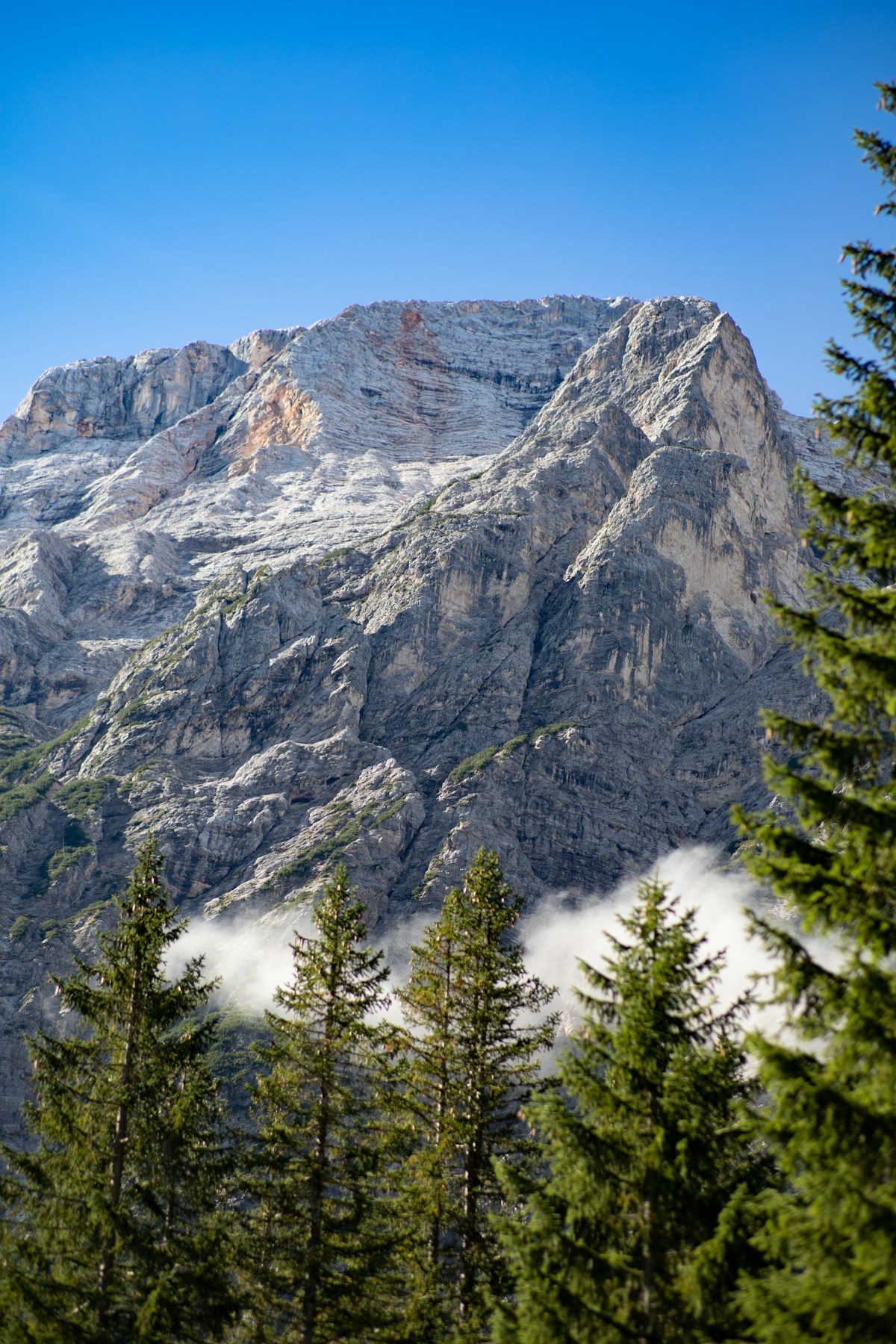
South Africa spans multiple climate zones across a country larger than France, Spain, and Germany combined. The right time to visit depends entirely on what you’re planning to do and where you’re going. Cape Town’s best months are the opposite of Kruger’s best months; KwaZulu-Natal barely changes all year; and the Northern Cape’s flower season runs on its own calendar entirely.
This guide breaks it down by region and by activity, with a full weather table and month-by-month summary.
Regional Climate Overview
South Africa has three main climate patterns:
Mediterranean (Western Cape): Wet winters, dry summers. Cape Town gets most of its rain between June and August. Summers (November–March) are hot and dry with occasional southeast winds.
Summer-rainfall plateau (Gauteng, Mpumalanga, Limpopo, Free State): Wet summers (October–April), dry winters. Johannesburg’s winters are clear and sunny but cold at night; summers bring afternoon thunderstorms. Kruger sits in this zone.
Subtropical coast (KwaZulu-Natal): Rain year-round, hotter and more humid than the interior. Durban stays warm in winter. KZN’s wet season (November–March) brings high humidity and occasional flooding.
Weather Table by Region and Month
| Month | Cape Town | Johannesburg | Kruger | Durban |
|---|---|---|---|---|
| Jan | 27°C / Dry | 26°C / Storms | 33°C / Wet | 28°C / Humid |
| Feb | 27°C / Dry | 26°C / Storms | 32°C / Wet | 29°C / Humid |
| Mar | 26°C / Dry | 25°C / Storms | 30°C / Wet | 28°C / Humid |
| Apr | 23°C / Dry | 22°C / Dry | 27°C / Drying | 26°C / Warm |
| May | 20°C / Dry | 18°C / Dry | 25°C / Dry | 24°C / Warm |
| Jun | 17°C / Rain | 14°C / Dry | 23°C / Dry | 22°C / Cool |
| Jul | 17°C / Rain | 14°C / Dry | 22°C / Dry | 22°C / Cool |
| Aug | 18°C / Rain | 17°C / Dry | 24°C / Dry | 22°C / Warming |
| Sep | 19°C / Clearing | 20°C / Dry | 27°C / Dry | 24°C / Warm |
| Oct | 21°C / Dry | 22°C / Storms begin | 29°C / Damp | 25°C / Warm |
| Nov | 23°C / Dry | 24°C / Storms | 30°C / Wet | 26°C / Humid |
| Dec | 26°C / Dry | 25°C / Storms | 32°C / Wet | 27°C / Humid |
Temperatures are average daytime highs. Kruger nights in June–July can drop below 5°C.
Cape Town and the Western Cape
Summer: November–March
Cape Town’s best beach weather. Hot (25–35°C), dry, and sunny. The southeast wind (known locally as the Cape Doctor) blows strongly through January and February, which clears pollution but can make beach days on the Atlantic Seaboard uncomfortable. False Bay beaches (Muizenberg, Fish Hoek, Simonstown) are more sheltered from the south-easter.
December and January bring South African school holidays - accommodation prices rise 20–40%, the V&A Waterfront and Camps Bay fill with domestic tourists, and Table Mountain’s queue extends to an hour or more. Book everything well in advance.
Search hotels in South Africa on Booking.com
Best for: Swimming, hiking, the Cape Peninsula drive, surfing at Muizenberg, wine tasting in the Winelands.
Autumn: March–May
Often the best period for Cape Town. School holidays end, crowds thin, temperatures stay warm (20–28°C), and the southeast wind eases after March. The Winelands are in harvest season (February–April) - one of the best times to visit Stellenbosch and Franschhoek. Accommodation prices drop 15–25% from the December–January peak.
Best for: Wine tasting, hiking, a quieter visit, better value.
Winter: June–August
Cape Town’s wet season. Rain comes in on frontal systems - not constant, but expect showers. Daytime highs of 15–18°C, nights can drop to 8°C. Table Mountain is frequently in cloud but dramatic on clear days after a cold front passes.
This is the cheapest period to visit Cape Town. Restaurants are busy with locals, the city empties of tourists, and hotel rates can drop 30–40%.
Best for: Budget travellers, food and wine culture, coastal hikes in the Overberg (southern right whales arrive in June).
Spring: September–October
Cape Town emerges from winter. Rain becomes less frequent, temperatures rise toward 20°C, and wildflowers bloom in the Namaqualand (best August–September, 3–4 hours north of Cape Town). September–November is whale watching season at Hermanus.
Best for: Whale watching, wildflowers, shoulder-season pricing.
Kruger National Park and the Bushveld
Dry Season: May–September ★ Best for game viewing
The dry season is consistently recommended as the best time for wildlife viewing in Kruger - and for good reason. Vegetation dies back, animals concentrate around waterholes and rivers, and the park’s dirt roads are passable for standard hire cars. Lion, leopard, and buffalo are all more visible.
May–June: Temperatures are ideal (20–25°C days, cool nights). Waterholes are increasingly important to animals. A good balance of game viewing quality and manageable crowds. The Sardine Run hits the KZN coast in June.
July–August: Peak international tourist season. Rest camps are full; book 6+ months in advance. This is also SA school holidays in July. Morning temperatures can be near freezing at dawn - bring layers for open-vehicle game drives.
September: Excellent: game is concentrated, temperatures warm to 25–30°C, and the park begins to green up slightly. Often cited as the sweet spot for self-drive visitors.
Malaria: Malaria is present in Kruger year-round but risk is lower in the dry season when mosquitoes are less active. Take prophylaxis for any visit.
Wet (Green) Season: October–April
The summer rains transform Kruger. The landscape turns bright green, temperatures reach 35–40°C, and game viewing is harder - animals disperse from waterholes when surface water is everywhere.
However, the wet season has genuine advantages: dramatic skies and light for photography, newborn animals (October–December), extraordinary birding as migratory species arrive, and dramatically lower accommodation prices (30–50% cheaper than peak dry season).
October–November: The best wet-season months. The heat hasn’t peaked, the first rains bring green shoots, game is still fairly concentrated near drying water sources, and baby animals appear. An increasingly popular choice for visitors who want decent game and no crowds.
KwaZulu-Natal
KZN is warm year-round, but there are clear windows:
May–September: The best time for KZN. Durban averages 22–24°C with clear skies and low humidity. The Drakensberg is excellent in these months - clear days, comfortable hiking temperatures (12–22°C). Hluhluwe–iMfolozi game reserve is accessible and game is visible; April–June is particularly good, before vegetation dies back completely, and rhino are active.
Whale watching: June–November. Southern right whales and humpbacks are spotted off the KZN south coast. The whale watching guide covers both the Hermanus and KZN windows in detail.
Sardine Run: June–July. Billions of sardines migrate north along the KZN coast, followed by sharks, dolphins, gannets, and Bryde’s whales. One of the ocean’s great natural events, visible from South Coast beaches.
December–February: Hot, humid, and rainy. Durban’s summer gets to 30–35°C with high humidity. Still swimable, but active days are uncomfortable.
Johannesburg and Gauteng
Joburg’s best travel weather is April–September - the dry season brings clear sunny days, minimal rain, and comfortable temperatures (18–22°C). Winters are cold at night (can drop to 2–4°C) but sunny by day. The city doesn’t change much with seasons - it’s not a beach or wildlife destination - so timing is less critical here than for other regions.
Summer (October–March) brings afternoon thunderstorms, which are often dramatic and clear quickly.
Northern Cape and Namaqualand Flowers
One of South Africa’s most spectacular seasonal events: the Namaqualand wildflower bloom. After good winter rains, from August to mid-September, a 1,000km stretch of semi-desert transforms into blankets of orange, white, and yellow daisies.
Best timing: Late August to mid-September. The Namaqua National Park near Kamieskroon, about 5 hours north of Cape Town, is the most accessible viewing area. The Namaqualand town of Springbok is the practical base.
Flower quality depends on the preceding winter’s rainfall - low-rain years can disappoint. Check current flower reports closer to the date before committing to the drive north.
Month-by-Month Summary
| Month | Cape Town | Kruger | KZN Coast | Key Notes |
|---|---|---|---|---|
| January | ★★★★★ Beach | ★★ Hot/wet | ★★★ Warm | CT summer peak, high prices |
| February | ★★★★ | ★★ | ★★★ | SE wind strongest in CT |
| March | ★★★★ Harvest | ★★ Drying | ★★★ | Winelands harvest, crowds ease |
| April | ★★★★ Autumn | ★★★ | ★★★★ | Good value, beautiful weather |
| May | ★★★ | ★★★★★ Dry | ★★★★ | Best shoulder month overall |
| June | ★★ Rain | ★★★★★ | ★★★★ Whale | Sardine Run KZN |
| July | ★★ | ★★★★★ | ★★★★ | SA school holidays, Kruger busy |
| August | ★★★ Clearing | ★★★★★ | ★★★★ Whale | Namaqualand flowers |
| September | ★★★★ Spring | ★★★★ | ★★★★ | Whale watching Hermanus peak |
| October | ★★★★ | ★★★★ | ★★★ | Strong shoulder, best value window |
| November | ★★★★★ | ★★★ Green | ★★★ | Good combination month for both |
| December | ★★★★★ Peak | ★★ Hot/wet | ★★★ | SA school holidays, peak prices |
When to Go for a Combined Itinerary
The most common South Africa circuit - Cape Town, Garden Route, and Kruger - has a scheduling challenge because the best time for Cape Town (summer, November–March) is the worst time for Kruger (wet season, hard game viewing), and vice versa.
The best compromise windows:
- April–May: Cape Town coming out of summer (still warm, crowds gone), Kruger entering the dry season (game viewing improving rapidly). Winelands harvest at its best.
- September–October: Kruger’s late dry season (still excellent game viewing), Cape Town warming from winter (spring flowers, whale watching at Hermanus). Prices below December peak.
For a 14-day combined trip starting in Cape Town and finishing in Kruger, both these windows work well. See the 14 days South Africa itinerary for a suggested route.
For Kruger-only visits, May–September gives the best game viewing odds. See the 5-day Kruger safari itinerary for a self-drive plan at any time in the dry season.
For Cape Town planning, including accommodation timing and event calendars by month, see the Cape Town guide.
Ready to plan your trip? Tours & Activities in Cape Town, Travel Insurance for South Africa, or Car Hire in South Africa.
Key Seasonal Links
- Whale watching at Hermanus - June to December; peak August–October
- Drakensberg hiking guide - May–September for clear skies; avoid summer lightning
- Kruger self-drive safari - May–September is the dry season optimum
- Namaqualand flowers - August–September in the Northern Cape
- Festivals and events in South Africa - month-by-month events calendar
- South Africa packing list - what to bring for each season