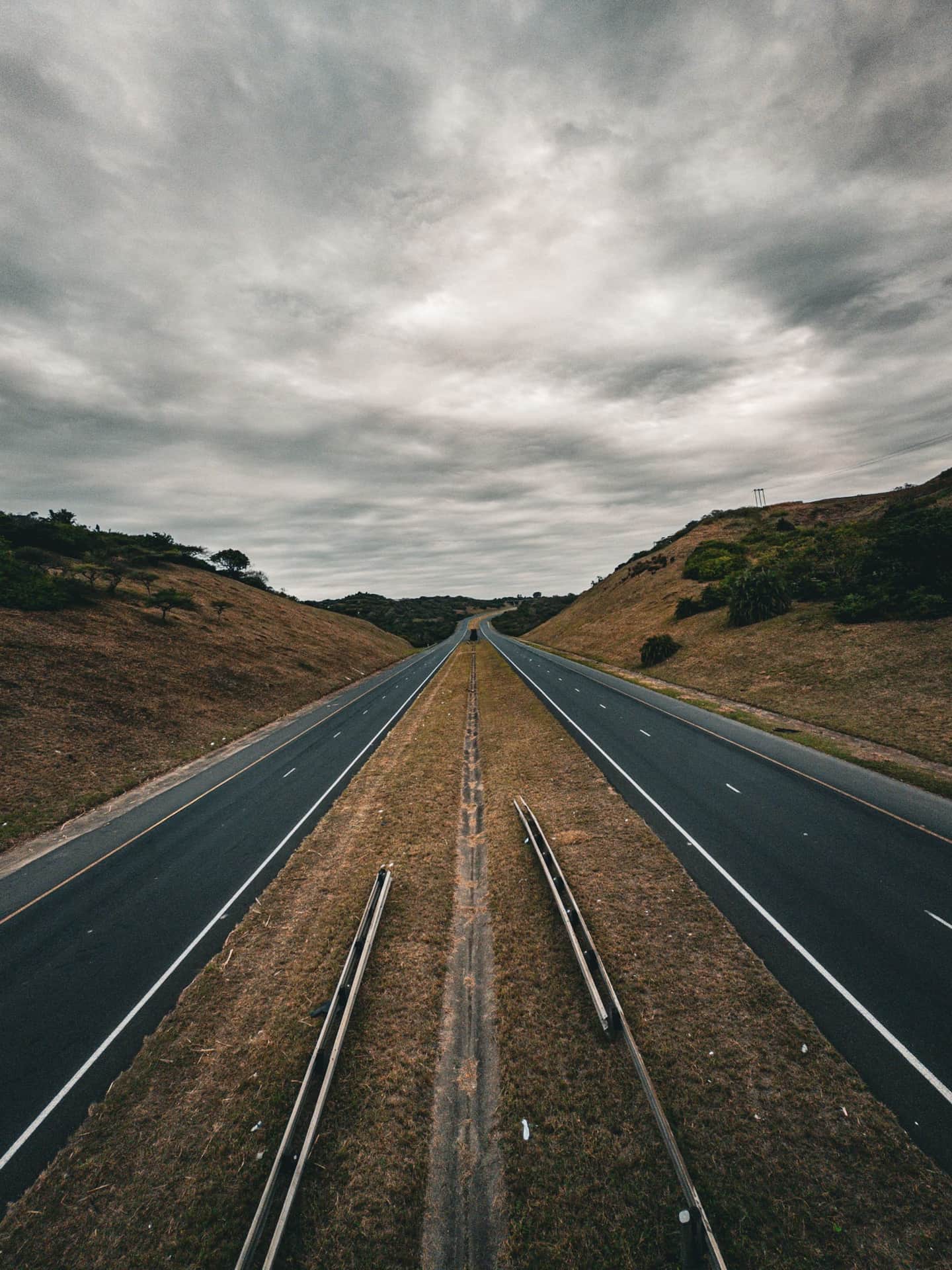
South Africa is a large country - Cape Town to Johannesburg is 1,400 km, equivalent to London to Warsaw. Getting around requires planning, and the right method depends heavily on your itinerary.
For cost reference, see the budget guide. For destination-specific transport (Uber in Cape Town, Gautrain in Joburg, driving to Kruger), see the relevant city guides: Cape Town | Johannesburg | Durban. For car hire rates and airport transfer options, see the GetRentacar and Kiwitaxi links in our affiliate partners.
Transport at a Glance
| Method | Best for | Cost |
|---|---|---|
| Car hire | Garden Route, Kruger self-drive, Cape Peninsula, Winelands | R400–700/day compact |
| Domestic flights | Long inter-city legs (Cape Town–Joburg 2 hrs vs 14 hrs drive) | R900–2,500 return (advance) |
| Uber | All major cities; replacing taxis safely | R40–450 depending on route |
| Gautrain | OR Tambo airport → Sandton/Pretoria | R95–200 per trip |
| Intercape bus | Budget long-haul; very slow | R250–600 |
| Baz Bus | Backpacker hop-on shuttle Cape Town–Joburg | R2,500–4,500 full route |
Car Hire
Car hire is the most flexible option and effectively essential for:
- The Garden Route (no realistic public transport alternative)
- Kruger self-drive (the park road network requires your own vehicle)
- The Cape Peninsula day trip
- Any rural or off-main-highway travel
Cost: A compact or economy car costs R400–700 per day from major agencies. SUVs/4x4s cost R900–1,800+. Include full insurance (Collision Damage Waiver, theft protection) - excess can be R15,000–30,000 if you opt out.
Agencies: Avis, Budget, Europcar, and Hertz have desks at all major airports and in city centres. Smaller local agencies are cheaper but have less backup if something goes wrong.
Driver requirements: Valid licence from your home country, plus an international driving permit if your licence is not in English or Roman script. Minimum age typically 23–25 depending on the agency. Credit card required (not debit).
Drive on the left.
Road conditions: Major routes (N1, N2, N3, N7) are excellent. Minor roads (R-roads) vary widely. Rural tracks may require higher clearance. Potholes are common on secondary roads - particularly in rural KZN and the Eastern Cape.
Fuel: Petrol stations are frequent on main routes. Fill up before entering national parks. Fuel costs R22–25 per litre.
Safety: Don’t drive at night in rural areas or townships. Lock doors while driving. In Johannesburg, be alert at robots (traffic lights) - smash-and-grab thefts at lights do occur. Don’t leave anything visible in a parked car.
Domestic Flights
South Africa has a good domestic network. Flying saves significant time on long routes.
Main operators:
- FlySafair - budget carrier with good reliability. Often cheapest on popular routes (Cape Town–Joburg, Cape Town–Durban, Joburg–Durban).
- Airlink - regional specialist, serves smaller airports including Kruger Mpumalanga International, Hoedspruit, and Upington.
- Kulula - Comair/British Airways subsidiary, good prices.
- SAA (South African Airways) - re-emerged from administration, serves main routes, less reliable than before.
Key routes and times:
| Route | Time |
|---|---|
| Cape Town (CPT) → Johannesburg (OR Tambo) | 2h |
| Johannesburg → Kruger/Mpumalanga (KMIA) | 1h |
| Johannesburg → Durban (DUR) | 1h |
| Cape Town → Durban | 2h |
| Johannesburg → George (GRJ) | 1.5h |
| Johannesburg → Upington (UTN) | 2h |
Cost: Advance booking (4–8 weeks) gives the best prices. Cape Town–Johannesburg return can be R900–2,500 depending on timing and booking window. Last-minute can be R3,500–5,000 return.
Book direct through FlySafair or Airlink’s websites for the best prices, or use Travelstart (SA aggregator).
Uber
Uber works reliably in all major South African cities. It’s the safest, most transparent option for getting around cities - you have a named driver, a fixed price upfront, and a paper trail.
Cape Town: Excellent coverage from V&A Waterfront to Cape Point (though Uber doesn’t go inside the national park). Most Uber trips within the city: R50–150. City to airport: R200–350.
Johannesburg: Essential. Use Uber everywhere in Joburg. Do not flag street taxis. A trip from OR Tambo to Sandton: R350–450. Within Sandton to Maboneng: R80–120.
Durban: Reliable. Central beach to uShaka: R30–50.
Outside major cities: Coverage varies. In tourist towns (Knysna, Stellenbosch, Hermanus) Uber usually has drivers. In genuinely rural areas, there may be no Uber at all.
Bolt is an Uber alternative also operating in SA cities - worth checking prices on both apps.
For airport arrivals specifically, Welcome Pickups offers pre-booked fixed-price private transfers at Cape Town International and OR Tambo - a reliable option when you want a named driver waiting at arrivals rather than hunting for a rideshare after a long flight. For comparing quotes across multiple transfer operators, GetTransfer covers both Cape Town and Johannesburg airports.
Gautrain
The Gautrain is a rapid rail system connecting OR Tambo International Airport to Pretoria via Johannesburg (Sandton, Rosebank, Park Station, Marlboro, Rhodesfield, Hatfield, Centurion, Pretoria).
Why it matters: It’s the most reliable way to get from OR Tambo to Sandton (15 minutes, R200) and the fastest to Pretoria (35 minutes from Sandton, R95). At peak hours it beats Uber on time.
Use: Buy a Gautrain card from the station. Top up as needed. The card costs R35 and can be refunded when you leave. Day visitor passes are not available - pay per trip.
Hours: Roughly 05:30–21:00 on weekdays, reduced hours on weekends. Check the Gautrain website or app.
Long-Distance Buses
Intercape, Greyhound, and FlixBus run intercity bus routes across South Africa. The buses are air-conditioned and reasonably comfortable.
Johannesburg to Cape Town: 19–21 hours. Cost R300–600. Not recommended unless you have abundant time and a very tight budget.
Johannesburg to Durban: 8–9 hours. Cost R250–450.
Cape Town to Garden Route towns (Mossel Bay, George, Knysna): 6–8 hours. Cost R200–350.
Buses are slow relative to hire cars or flights, and schedules limit flexibility. Use them only if budget is the primary constraint. To compare schedules and prices across Intercape, FlixBus, and other operators in one search, use Omio.
Baz Bus (Backpacker Shuttle)
Baz Bus operates hop-on hop-off shuttles between Cape Town and Johannesburg via the Garden Route, primarily connecting hostels. It’s designed for backpackers.
Route: Cape Town → Garden Route towns → Port Elizabeth → Durban → Johannesburg (or reverse). Cost: R3,000–5,000 for a full pass. Individual sectors also available.
Useful if you’re following the standard backpacker trail and staying at hostels. Slower than independent travel but social and reliably connects hostel to hostel.
Trains (Scenic)
South Africa’s commuter rail network (Metrorail) is unreliable and not recommended for tourists except the Cape Town to Simon’s Town line (which some backpackers use to reach Boulders Beach - see Cape Town transport notes).
Rovos Rail and the Blue Train are luxury scenic trains - these are aspirational travel products, not practical transport. The Blue Train (Cape Town to Pretoria, 27 hours) costs from R18,000 per person return in the most basic cabin. Rovos Rail is higher still. Both are the journey as the destination.
See Also
- Car rental guide for South Africa - which hire car company to use, excess cover, and what to check
- Airport transfers guide - pre-booked transfers from all major SA airports
- Cape Town city guide - MyCiTi bus, Uber, and airport-to-city logistics
- Johannesburg city guide - Gautrain, Uber, and OR Tambo transport
- Kruger self-drive safari guide - what to know before driving in the park
- Garden Route driving guide - the most popular self-drive itinerary in South Africa
Plan Your Trip
✈️ Book your flights to South Africa 🛡️ Get travel insurance 📱 Stay connected with an eSIM 🚗 Rent a car 🚌 Compare bus & train prices with Omio