Best Time to Visit South Africa — When to Go for Sun, Safari, and Value
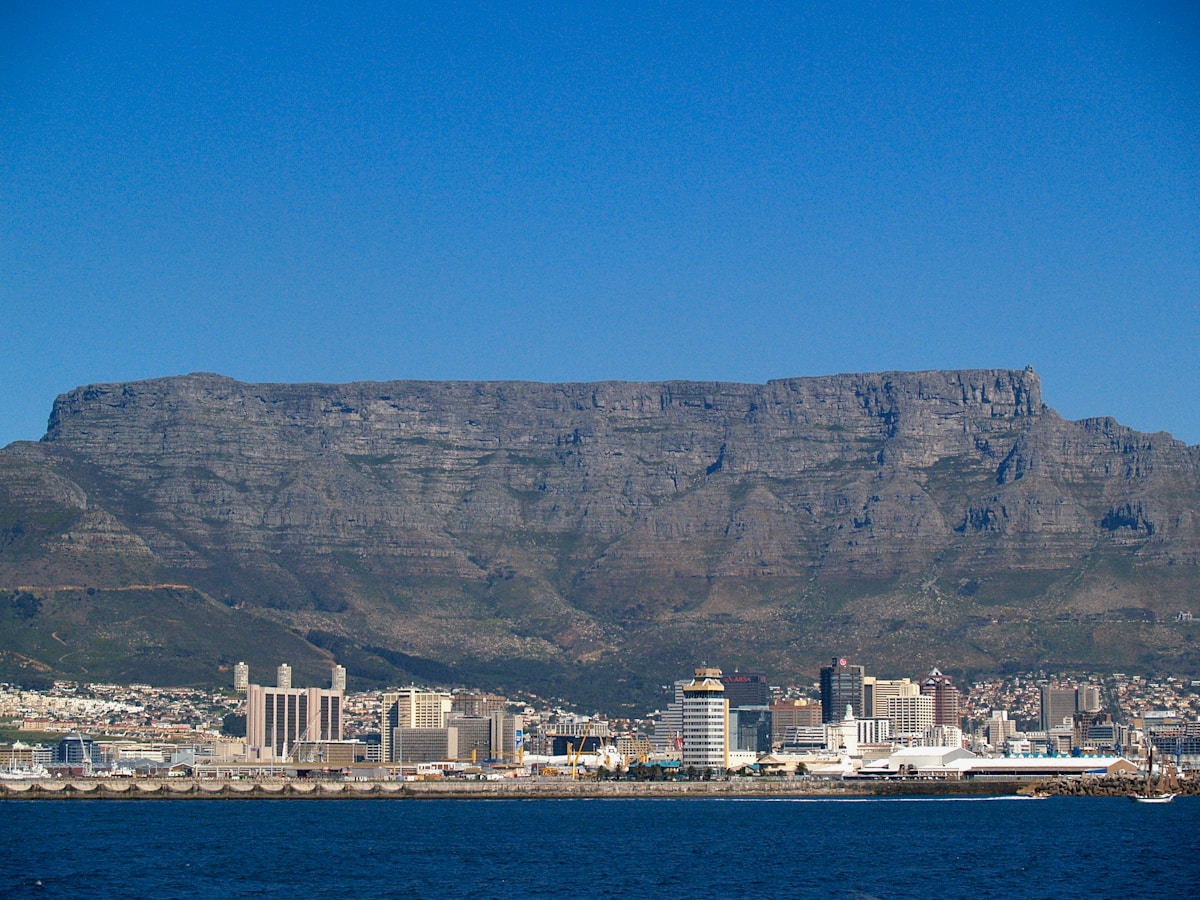
South Africa is a year-round destination, but timing affects everything — what you can do, how much you’ll pay, and how many other visitors you’ll be sharing it with.
Cape Town and the Western Cape follow a Mediterranean pattern: hot, dry summers (November–March) and cool, wet winters (June–August). Summer is beach season and peak crowds; April–May is often the best window (warm, clear, harvest season in the Winelands, far fewer tourists).
Kruger and Mpumalanga have opposite logic. Winter (May–September) is game-viewing season — vegetation is sparse, water is scarce, and animals concentrate around rivers and waterholes. Summer (October–April) is green and hot, with more mosquitoes and lower visibility.
KwaZulu-Natal is subtropical and warm year-round. Dry season (May–September) is the most comfortable time. The sardine run (June–July) and whale watching (July–November) are KZN-specific highlights.
The sweet spots for combining regions:
- May to early June: Cape Town is post-summer and beginning its cooler season (still good, not yet rainy). Kruger’s dry season is just starting. Good game viewing. Pre-peak prices.
- September to October: Spring in the Cape (warming up, whale watching at Hermanus). Dry season winding down in Kruger but still excellent game. Namaqualand wildflowers are over by then.
See the full seasonal guide for a month-by-month breakdown.
Book an experience
South Africa in the area
Instant confirmation · Free cancellation on most bookings