Johannesburg is Africa’s largest city by GDP and one of its most historically layered. Most visitors arrive at OR Tambo International and think of it as a transit hub - which is a mistake. The Apartheid Museum is one of the finest museums on the continent. Soweto is among the most significant urban neighbourhoods in Africa. The Cradle of Humankind sits within an hour’s drive. If you give Joburg two or three days, it rewards the attention.
What it requires: awareness. Crime is real and concentrated. Uber is non-negotiable. But with that understood, the city opens up considerably. See the Johannesburg hub guide for area breakdowns and transport logistics.
The Apartheid Museum
ZAR 220 adult (approximately USD 12 as of 2026) - arguably the most important museum in sub-Saharan Africa. The exhibition documents apartheid comprehensively: its legislative machinery, its enforcers, its resistance movements, and its eventual collapse. The design is deliberately immersive - you enter through separate doors labelled “Whites” and “Non-Whites”, and the experience of institutional dehumanisation is made visceral rather than merely described.
Specific sections worth slowing down for: the Treason Trial section, the 1976 Soweto uprising documentation, and the final wing on the transition to democracy. Nelson Mandela’s release from Victor Verster Prison is covered in extraordinary detail.
Allow 2.5–3 hours minimum. Many visitors spend longer. Located at the corner of Northern Parkway and Gold Reef Road, Ormonde - adjacent to the Gold Reef City casino complex. Open Tuesday–Sunday, 10:00–17:00 (closed Mondays). Book online to avoid queues on weekends.
Soweto Township Tour
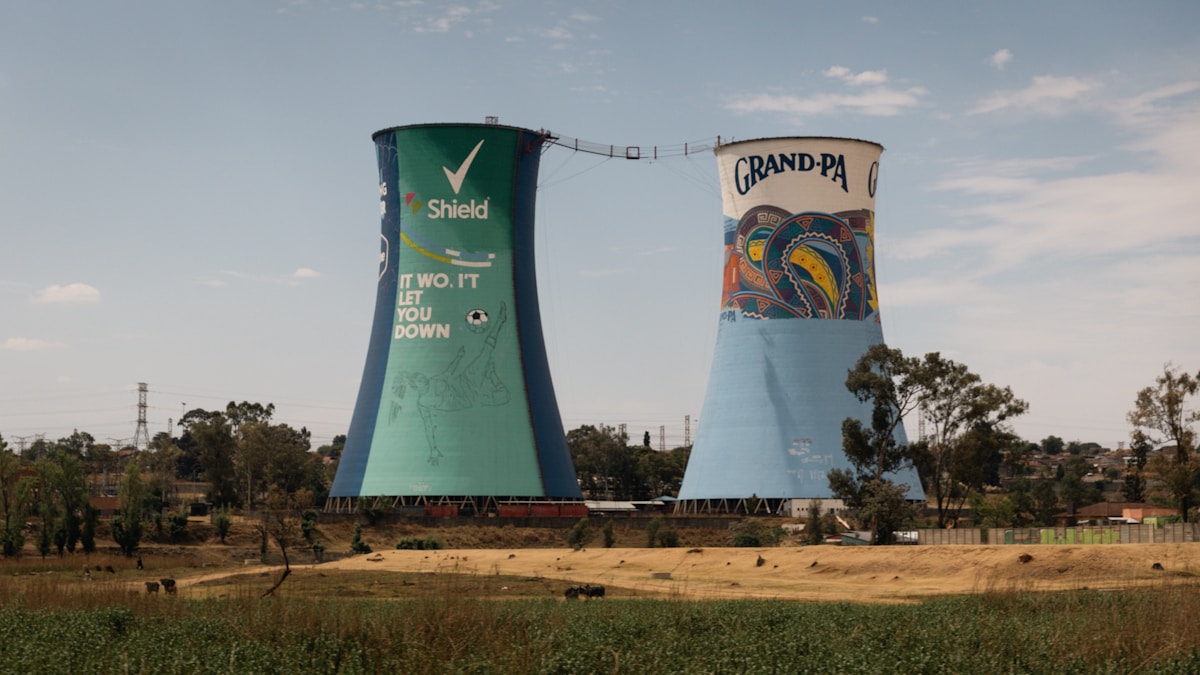
ZAR 400–800 per person depending on operator and inclusions. Soweto (South Western Townships) is a city within a city - 1.3 million residents, its own economy, its own restaurants and nightlife, and the most concentrated weight of anti-apartheid history anywhere in Africa.
Key sites on a guided tour:
Vilakazi Street, Orlando West - the only street in the world to have been home to two Nobel Peace Prize winners: Nelson Mandela (No. 8115) and Desmond Tutu (No. 7727).
Mandela House Museum - the small home where Mandela lived before his imprisonment in 1964. ZAR 80 adult entry. Original furnishings preserved; the personal scale of the house against the scale of what Mandela represented is affecting.
Hector Pieterson Memorial and Museum - ZAR 30 adult. Commemorates the June 16, 1976 student uprising and the children shot by police. The photograph of dying 13-year-old Hector Pieterson being carried through the streets became the defining image of the uprising and one of the most reproduced photographs in 20th-century history.
Regina Mundi Catholic Church - the largest Catholic church in South Africa and a safe haven during the apartheid years. Bullet holes from a 1976 police incursion remain visible in the walls.
Tours typically last 4–5 hours and include transport from Sandton hotels. Book through GetYourGuide or ask your hotel concierge. Do not attempt Soweto independently without local knowledge.
Search hotels in Johannesburg on Booking.com
Gold Reef City
ZAR 285 adult (as of 2026) - a theme park built around an old gold mine, with roller coasters, a Victorian-era reconstruction of 1880s Joburg, and underground mine tours (ZAR 80 extra). Best suited to families with children or anyone who wants to understand the city’s gold-rush origins without heavy museum fare. The underground tour is genuinely interesting - you descend into a real disused shaft.
Located next to the Apartheid Museum, so the two combine easily into a full day. Open Wednesday–Sunday.
Constitution Hill
ZAR 100 adult - a site of remarkable symbolic weight. The Number Four prison held Mahatma Gandhi, Nelson Mandela, and Winnie Madikizela-Mandela at different points in history. That same site is now home to South Africa’s Constitutional Court - the highest court for constitutional matters, built literally inside and around the old prison walls.
The Women’s Jail wing, where thousands of Black and Coloured women were detained without trial, is particularly affecting. The court itself can be viewed when not in session. Allow 1.5 hours. Open daily 09:00–17:00. Located in Braamfontein - book an Uber directly; don’t walk here.
Maboneng Precinct
Free to explore - Johannesburg’s most interesting urban neighbourhood, in the eastern CBD. A regenerated industrial district with independent galleries, the Market on Main (Sunday market, 10:00–15:00 approximately), street art, coffee shops, and the Curiocity Backpackers at its hub.
The Sunday Market on Main is the best single day out in Joburg - craft vendors, food stalls from multiple cuisines, live music, and a cross-section of the city unlike anything in Sandton. The 44 Stanley artisan precinct in the nearby Milpark area operates similarly on weekday office hours.
Check current conditions before going at night - Maboneng is lively and relatively safe on Sundays but quieter (and less advisable for solo visitors) mid-week evenings.
Sandton City and Nelson Mandela Square
Free entry - Sandton City is one of the largest shopping malls in Africa. Nelson Mandela Square, attached to it, centres on a large bronze statue of Mandela. The surrounding area is the most polished and walkable in Joburg - restaurants, hotels, the Gautrain station, and good coffee shops within a five-minute walk of each other.
Not a cultural attraction in itself, but a useful anchor point and safe base of operations. The Gautrain from Sandton to OR Tambo takes 15 minutes (ZAR 200 one-way).
Cradle of Humankind
ZAR 220 adult - UNESCO World Heritage Site, 50 km northwest of Joburg. The dolomite caves here have produced some of the world’s richest deposits of hominid fossils, including the near-complete Australopithecus africanus skeleton known as “Mrs. Ples” (dated to approximately 2.5 million years ago).
The Maropeng Visitor Centre is the best starting point - well-designed, interpretive, and covering 3.5 billion years of life on earth. The Sterkfontein Caves (on the same UNESCO listing) are nearby. Allow 2–3 hours for both.
This is palaeontology and prehistory, not a wildlife experience - but for anyone interested in human evolution or geology, it’s outstanding. Tours from Joburg: approximately ZAR 600–800 inclusive of transport.
Lion & Safari Park
ZAR 490 adult (as of 2026; additional for cub interactions and cheetah walks) - located approximately 50 km north of Joburg near Lanseria Airport. A guided game drive in open vehicles brings you into contact with lions, cheetah, hyena, giraffe, wild dog, and white lion.
This is a captive breeding facility, not a wilderness reserve - it’s not a replacement for Kruger National Park or Pilanesberg. But for a half-day from Joburg, particularly for first-time visitors to Africa or those with limited time, it’s a credible introduction to African predators up close. The cheetah walk (from ZAR 200 extra) is genuinely good.
Johannesburg Zoo
ZAR 180 adult - one of the larger and better-maintained zoos in Africa, located in Parkview (Saxonwold). Over 320 species including big cats, elephants, giraffes, and the largest nocturnal house in Africa. Open daily 08:30–17:00. A good half-day option for families.
Practical Safety Notes
Johannesburg rewards visitors who follow a few firm rules:
- Use Uber everywhere. Do not hail street taxis, minibus taxis, or accept unlicensed vehicles. Uber is safe, cheap, and ubiquitous. Example fares: Sandton to Apartheid Museum ZAR 60–80; Sandton to Soweto ZAR 120–160.
- Car windows up at traffic lights in unfamiliar areas. Opportunistic smash-and-grab is the most common incident.
- Don’t walk in the CBD after dark, and avoid Hillbrow and Yeoville entirely.
- All major tourist sites are safe when accessed correctly - the millions of visitors who come each year do so without incident. The risk is real but it is concentrated in specific places and avoidable with habits.
For areas and hotels, see where to stay in Johannesburg and the full Johannesburg city hub.