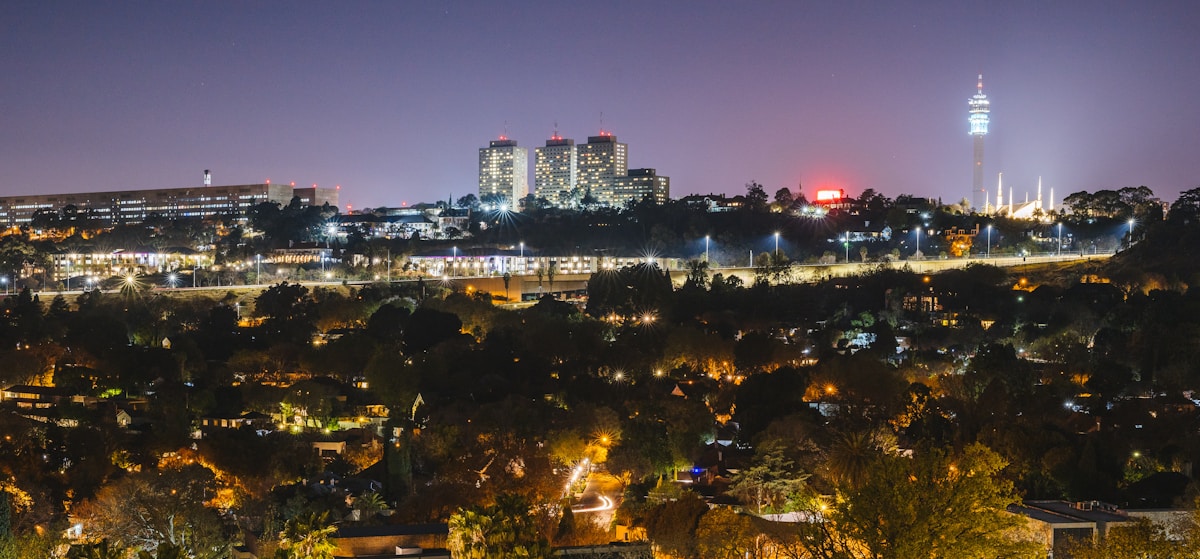
Johannesburg Travel Guide: Soweto & Apartheid Museum
Johannesburg travel guide: Soweto, the Apartheid Museum, Maboneng, Sandton, and day trips to Cradle of Humankind and Pilanesberg with costs.
Guides for Johannesburg
Johannesburg is South Africa’s largest city and its economic engine. Most international travellers pass through OR Tambo International Airport here, but many skip the city itself - which is a mistake. Joburg has a different energy to Cape Town: rawer, faster, more complex. The Apartheid Museum is one of the best museums on the continent. Soweto is one of the most historically significant neighbourhoods in Africa. Maboneng is one of the more interesting urban regeneration stories you’ll find anywhere.
It’s also a city that requires some navigation sense. Crime is real and concentrated in certain areas. Uber is essential. But millions of people live here safely and well, and visitors who approach Joburg thoughtfully find it rewarding.
For context on the broader region, see the Gauteng region guide. If Joburg is your first stop before heading east, the Kruger safari guide and the Mpumalanga region guide cover what to plan for.
Key Areas
| Area | Character | Best for |
|---|---|---|
| Sandton | Financial district, polished, safe to walk | First-timers, business stays, airport access |
| Rosebank | Upmarket mixed suburb | Mid-range hotels, Sunday market, easy Uber hub |
| Maboneng | Regenerated industrial, galleries, food | Character, art, the most interesting Joburg experience |
| Soweto | Living township, historic, enormous | Mandela House, Vilakazi Street, guided tours |
| Braamfontein / CBD | Mixed, regenerating, requires care | Constitutional Hill, The Playground Market (daytime only) |
Sandton is Johannesburg’s financial district and the safest, most polished area for tourists. The Sandton City mall, Nelson Mandela Square, and the Gautrain station connecting to the airport and Pretoria are all here. Most upmarket hotels are in Sandton. It’s affluent, safe to walk around in daylight, and somewhat anodyne compared to Maboneng.
Maboneng (eastern Joburg) is the city’s most interesting neighbourhood for visitors - a regenerated industrial area with galleries, restaurants, the Market on Main Sunday market, and street art. Far more character than Sandton. Use Uber to get there; check conditions before going at night.
Rosebank sits between Sandton and the CBD - another upmarket area with a good mall, the Sunday Rosebank Rooftop Market, and various restaurants. Good base if you want something between Sandton’s sterility and Maboneng’s edge.
Soweto is the vast township 15 km southwest of the city centre, where Nelson Mandela and Desmond Tutu both lived on the same street (Vilakazi Street). 1.3 million people live in Soweto; it’s a city within a city. A guided tour is the most practical way to visit.
The CBD / Braamfontein is undergoing gradual regeneration but remains difficult to navigate alone as a visitor. Constitutional Hill (the old prison, now the Constitutional Court) is worth a visit; the Playground Market at 73 Juta Street (Saturdays, check hours) draws weekend crowds.
Top Things to Do
The Apartheid Museum {#apartheid-museum}
R230 adult - one of Africa’s most important museums, documenting the apartheid system comprehensively: its rise, its mechanics of oppression, the resistance movements, the 1976 Soweto uprising, and the transition to democracy. The exhibition design is exceptional - many displays are immersive rather than passive. Allow 2.5–3 hours minimum; some visitors spend half a day.
Location: Corner of Northern Parkway and Gold Reef Road, Ormonde (adjacent to Gold Reef City casino). Open Tuesday–Sunday, 10:00–17:00. Closed Mondays.
Soweto
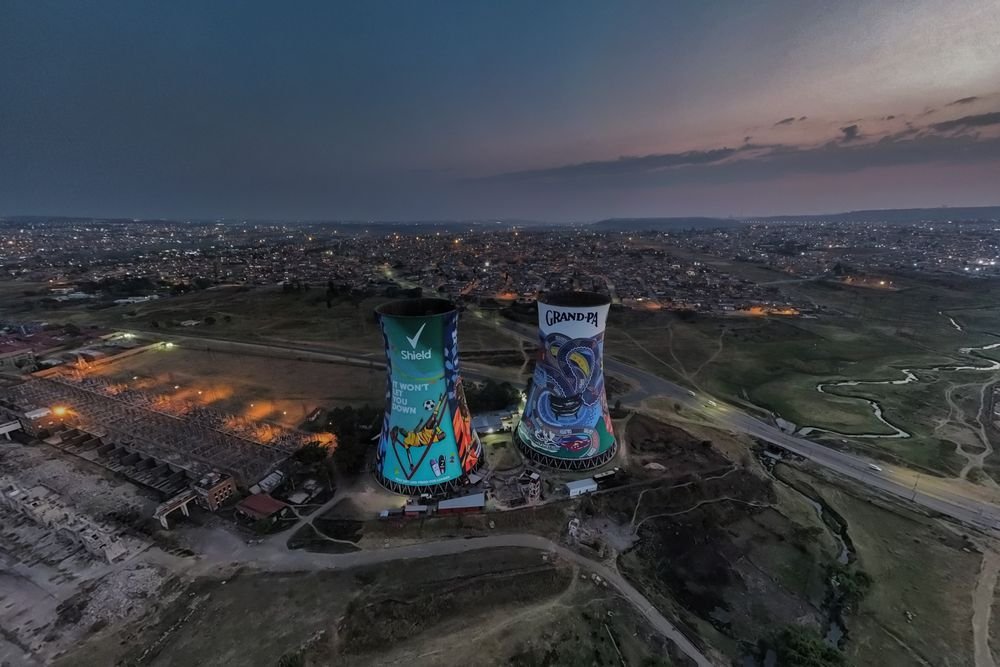 The painted Orlando Towers are Soweto’s most recognisable landmark.
More than its historical weight - Soweto is a living, functional city with its own restaurants, bars, and cultural life. Vilakazi Street, in Orlando West, is the tourist focal point:
- Mandela House (R80 adult): The small home where Nelson Mandela lived before his imprisonment in 1964. Now a museum with original furnishings and detailed exhibits on Mandela’s early life and the surrounding neighbourhood.
- Desmond Tutu’s house is next door (private residence - visible from outside only).
- Hector Pieterson Memorial and Museum (R30 adult): Commemorates the 1976 student uprising. The nearby photograph of dying 13-year-old Hector Pieterson became the defining image of the uprising.
A guided tour with a Soweto resident guide covers far more than independent visitors can see. Tours run 4–5 hours, typically R600–900 per person, and are bookable from most Sandton hotels or via GetYourGuide. Most include transport from Sandton.
Dining in Soweto: Sakhumzi Restaurant on Vilakazi Street is the most visited (tourist-oriented but decent). For something more local, ask your guide.
Constitutional Hill
R150 adult for the 1-hour Highlights tour (R200 for the 2-hour Full tour, as of 2026). A remarkable site: the prison where Mahatma Gandhi, Nelson Mandela, and Winnie Madikizela-Mandela were all held at various points is now the location of South Africa’s Constitutional Court - symbolism made literal. The Women’s Jail section, where thousands of women were detained without trial, is particularly affecting. Allow 1 to 2 hours. Open daily; the Visitor Centre closes at 17:00 and sells no tickets after 16:00.
Lion & Safari Park
R250 adult (plus extra for cub interactions and cheetah walks). Located 50 km north of Joburg near Lanseria Airport. Close encounter with lion, cheetah, hyena, giraffe, and wild dog on a game drive in an open vehicle. Not a replacement for Kruger - it’s a captive facility - but good for a half-day if you don’t have time for a real safari. For the real thing, see the Kruger National Park guide.
Cradle of Humankind
R170 adult. A UNESCO World Heritage Site 50 km northwest of Joburg, containing some of the richest deposits of hominid fossils on earth. The Maropeng Visitor Centre is well-designed and interpretive, covering 3.5 billion years of life on earth and the emergence of Homo sapiens in Africa. This is palaeontology and prehistory, not a wildlife experience - allow 2–3 hours.
Market on Main and the Maboneng Scene
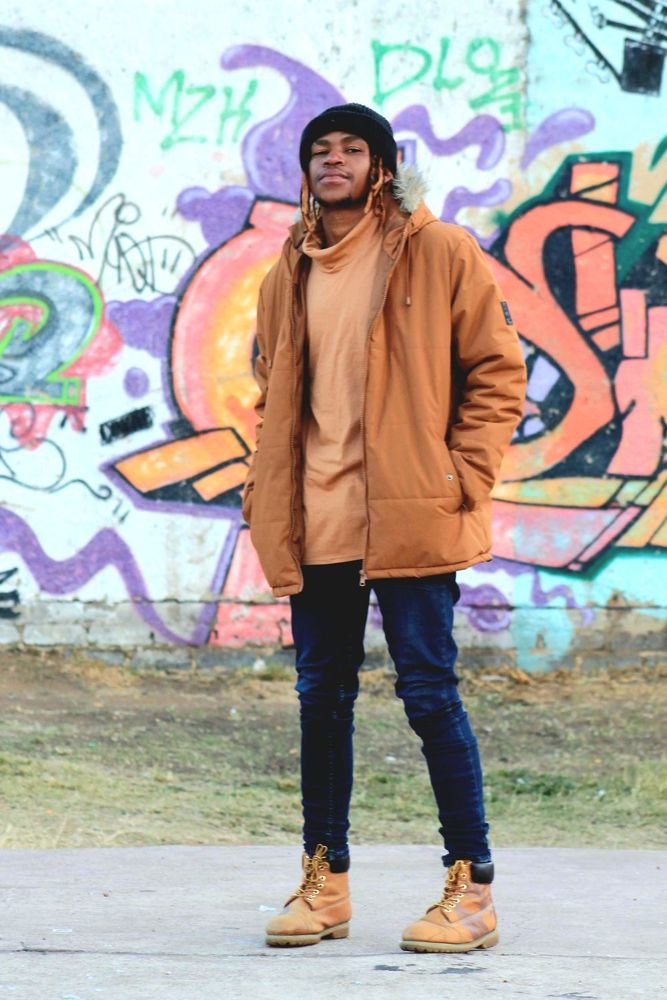 Street art is part of everyday Johannesburg, from Maboneng to Soweto.
The Sunday Market on Main in Maboneng is Joburg’s best market - craft vendors, food stalls, live music, and the full cross-section of the city’s creative class. Running most Sundays 10:00–15:00. The surrounding streets have independent galleries, the Greatmore Studios artist residency, and good restaurants. Come on a Sunday; Maboneng is quieter mid-week.
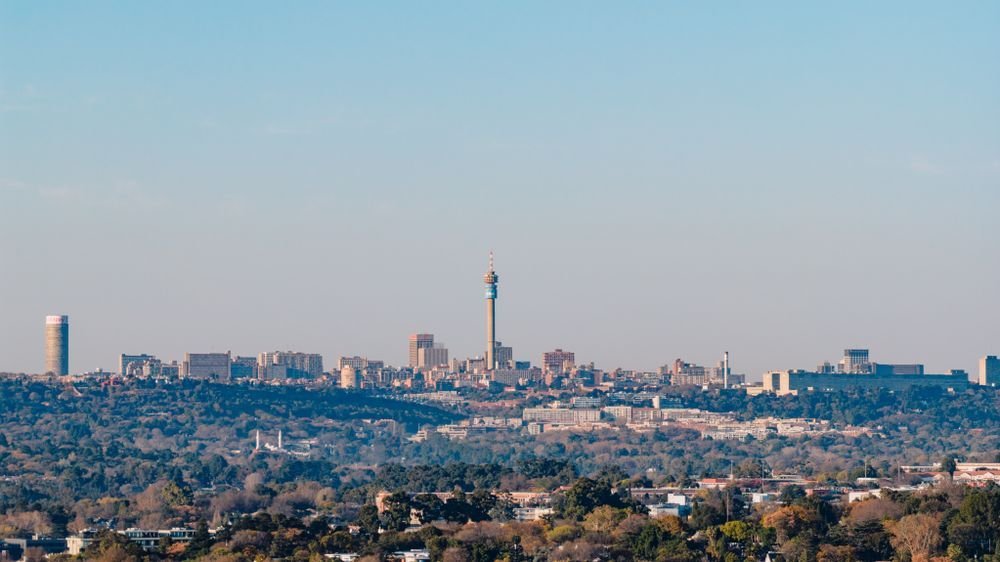 The Johannesburg skyline with Hillbrow Tower, seen from the northern suburbs.
Getting Around Johannesburg
Uber is the only reliable way to navigate Joburg as a tourist. Do not flag street taxis or minibus taxis. Uber is safe, affordable, and ubiquitous - the app works exactly as expected. Example fares: Sandton to Maboneng R80–120 | Sandton to Soweto R120–160 | airport to Sandton R250–R400.
Gautrain connects OR Tambo Airport to Sandton in 15 minutes (about R235-R250 one way) and extends to Rosebank, Park Station (CBD), and Pretoria. Fast, air-conditioned, and safe. Buy a Gautrain card at the station (R10 card fee, loaded with credit). Do not ride with large luggage in peak hour.
Car hire is useful only if you’re driving Joburg to Kruger - not for navigating the city itself. GetRentacar compares rates at OR Tambo and Lanseria if you’re picking up a car for the Kruger leg. See getting around South Africa for full costs and what to check on insurance excess.
Where to Stay in Johannesburg
Where you sleep matters more in Joburg than in most cities, because getting around relies on Uber and the Gautrain. Sandton and Rosebank are the safest and most polished bases, with the Gautrain nearby. Melrose Arch is a walkable, gated precinct with restaurants on the doorstep. Maboneng and the inner-city fringe have more character but need Uber for every trip after dark. Mid-range hotels generally start from about R1,500 per night as of 2026.
For named hotels by tier and a suburb-by-suburb comparison, see the Johannesburg where to stay guide and the best hotels in Johannesburg. To check current availability, search Johannesburg hotels on Booking.com.
Safety in Johannesburg
Joburg has genuine safety issues. This doesn’t mean visitors have a bad time - millions don’t - but it requires awareness and habits that differ from Cape Town or a European city.
Non-negotiables:
- Use Uber everywhere, always. Do not hail a taxi, flag a minibus, or walk with your phone visible.
- Keep your car windows up and doors locked when stopped at traffic lights.
- Don’t flash expensive cameras, jewellery, or your phone in non-tourist areas.
- Park in guarded parking only (the malls all have it).
- If staying in Maboneng, ask your accommodation about current conditions before going out at night.
Safe for tourists (thousands visit daily): The Apartheid Museum, Lion & Safari Park, Cradle of Humankind, Soweto tours (with a guide), the Sunday Maboneng market, Sandton City, Nelson Mandela Square, Rosebank Rooftop Market.
Avoid on foot: The CBD after dark, and Hillbrow, Berea, and Jeppestown at any time.
Eating Out in Johannesburg
Johannesburg’s food scene is broader and more accessible than its security situation might suggest. A few reliable picks:
- Marble (Rosebank): wood-fired grill, upscale, the best steak restaurant in the city
- The Grillhouse (Rosebank): classic South African steakhouse, excellent quality, reliable - approximately ZAR 250–400 per person
- Pata Pata (Melville): African-inspired cuisine in the most relaxed neighbourhood in Joburg, live music on weekends
- Mai Mai Market (CBD, daytime only): traditional township food, excellent value, go with a guide
Food spending: expect ZAR 150–350 per person at mid-range; ZAR 400–700 at upscale restaurants. For a full restaurant guide by neighbourhood, see our Johannesburg dining guide.
Getting to Johannesburg
OR Tambo International Airport (JNB) is the main hub - the largest airport in Africa, handling most intercontinental flights into South Africa. From OR Tambo: Gautrain to Sandton takes 15 minutes (about R235-R250). Uber to Sandton costs R250–R400 depending on traffic. Our OR Tambo airport transfer guide compares the Gautrain, Uber and private drivers.
Lanseria Airport (30 km northwest) handles some domestic routes. Cheaper Ubers to Sandton from Lanseria (approximately R200-R350 as of 2026) but no Gautrain connection.
See getting around South Africa and the 14-day South Africa itinerary for how Joburg fits into a wider trip.
See Also
- Gauteng region guide - Joburg and Pretoria in the wider Highveld context
- Johannesburg hotels guide - where to stay in Sandton, Rosebank, Maboneng, and Melrose Arch
- Pilanesberg safari guide - malaria-free Big Five safari 2 hours from Sandton
- Soweto destination guide - full coverage of the township’s history and how to visit
- Cape Town vs Johannesburg comparison - which city to prioritise on a South Africa trip
- Is South Africa safe? - Joburg-specific safety context and what to know
- Flights to South Africa - OR Tambo is the main hub; how to get here
Official sources include City of Johannesburg and South African Tourism.
Book an experience
Top experiences in Johannesburg
Best price guaranteed · Instant confirmation · Free cancellation on most bookings
Looking for a place to stay? Browse hotels in Johannesburg , free cancellation on most bookings.
Upcoming Events in Johannesburg
Eid al-Fitr 2027 South Africa: Dates, Events & Where to Celebrate
Eid al-Fitr 2027 in South Africa falls on 9 March. Bo-Kaap feasts, Durban prayers and Fordsburg celebrations: dates, events and where to join in.