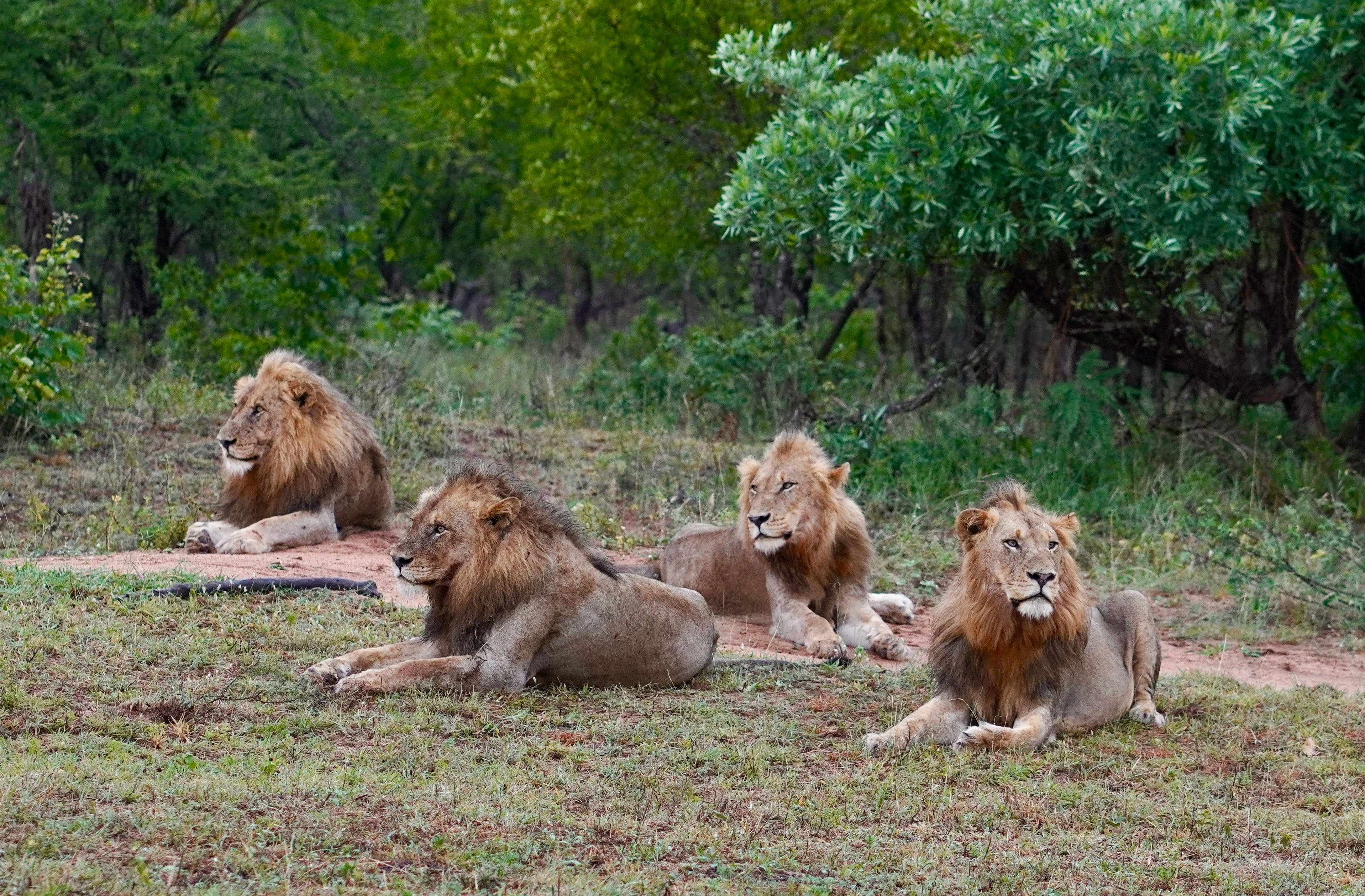
Kruger National Park’s activity menu is led by the self-drive game drive - the experience most visitors come for - but the park also offers guided bush walks, night drives, birding trails, and 4x4 adventures in the far north. This guide covers what to do, what it costs, and how to book in 2026.
Malaria notice: Kruger falls within a malaria-risk zone. Take prophylaxis prescribed by a travel health clinic, use DEET repellent, and wear covered clothing after dusk.
Self-Drive Game Drives
The classic Kruger experience is hiring a car and driving yourself. The park has around 2,500 km of tourist roads ranging from good-quality tar to maintained gravel. You can enter at first light (gate times vary by season - approximately 05:30–06:00 in summer, 06:00–06:30 in winter) and must be back inside camp or at a picnic site by gate closing.
What you need: A valid driver’s licence, a 2WD hire car (4x4 not required on tourist roads - pick one up at Kruger Mpumalanga Airport or Hoedspruit Airport), and a map or GPS (available at camp reception or via the SANParks app). Entrance fees apply separately - international visitors pay approximately ZAR 390 per adult per day as of 2026.
Where to focus: The southern section (Skukuza–Lower Sabie–Crocodile Bridge triangle) has the highest predator density. The Sabie River road between Skukuza and Lower Sabie is one of the most productive stretches in the entire park for lion, leopard, hippo, and elephant. The N’wanetsi area around Satara camp is excellent for cheetah and wild dog.
Timing: First light (first 2 hours after gate opening) and the last 2 hours before gate closing are the prime windows. Midday heat drives most animals into shade - plan a camp stop or picnic break during midday and resume at 15:00.
Guided Morning and Afternoon Game Drives
All major SANParks rest camps offer guided game drives in open vehicles with an armed ranger. These depart at first light (morning drives) or late afternoon (afternoon drives) - the same prime hours as self-drive, but with the advantage of a qualified tracker who can read spoor and behaviour.
Booking: At camp reception (book the evening before to guarantee a place) or via SANParks online reservations. Walk-ups are sometimes possible but popular camps fill quickly.
Cost: Approximately ZAR 450–650 per adult for a 3-hour morning or afternoon drive as of 2026. Children’s rates (under 12) are typically 50% of the adult rate.
What to expect: Groups of 8–12 passengers in an open 4x4 vehicle. The ranger drives off main roads into designated concession areas where applicable. Morning drives include departure before dawn and return around 09:00. Afternoon drives run from approximately 15:30 and return after sunset (these counts as night drives and use spotlights on the return leg).
Guided Bush Walks
Walking safaris are among the most viscerally exciting experiences in Kruger. You move on foot through the bush with two armed Field Guides - one leading, one covering the rear. Encounters happen at ground level with no vehicle barrier, which fundamentally changes your relationship with the landscape.
Wilderness Trails: SANParks operates seven wilderness trail camps in Kruger, each offering 3-night guided walking experiences limited to 8 guests. These are base-camp affairs - you sleep in the same remote camp for 3 nights and walk out from there each morning and afternoon. Trails include Wolhuter (southern Kruger, rhino area), Napi (excellent big cat terrain), and Olifants (dramatic river scenery in central Kruger).
Cost: Approximately ZAR 5,000–7,500 per person for a 3-night wilderness trail as of 2026. All meals and ranger guiding are included.
Day walks from camps: Some camps offer 3-hour guided morning walks (without overnight) from approximately ZAR 480–600 per person. Available at Berg-en-Dal, Skukuza, Lower Sabie, and others - check at reception.
Booking: Wilderness trails book out months in advance during peak season (June–September). Book via the SANParks website up to 11 months ahead.
Night Drives
SANParks night drives depart after the park gates close (the only time vehicles are permitted to operate at night). They run in open vehicles with a spotlight and reveal a completely different cast of characters: civets, genets, aardwolves, spring hares, nightjars, and occasionally predators moving between territories.
Cost: Approximately ZAR 280–400 per adult as of 2026. Duration: approximately 3 hours.
Where to book: At camp reception on the day or the evening before. Night drives run from most major camps - Skukuza, Lower Sabie, Satara, Olifants, and Letaba among them.
What to bring: Warm layers (open vehicles become cold after dark, year-round in winter), insect repellent, binoculars, and a red-filtered torch if you carry one.
Birding
Kruger has recorded over 500 bird species, making it one of Africa’s premier birding destinations. The park’s diversity spans savanna specialists (kori bustard, ground hornbill, bateleur eagle), river species (fish eagle, giant kingfisher, pel’s fishing owl), and raptors in staggering variety.
Birding by car: All tourist roads are productive. The Sabie and Crocodile Rivers are reliably excellent for kingfishers, herons, and African fish eagles. The Luvuvhu River area near Pafuri in the far north has a recorded species count approaching 400 for the immediate area and is considered one of the best birding sites in southern Africa.
Guided birding: Some specialist operators run dedicated birding drives and walks within Kruger. Ask at camp reception or contact SANParks directly for current operators.
Best months: November to January (wet season) sees migratory species from Europe and Central Africa joining the resident population, dramatically increasing species count.
4x4 Trails
Kruger’s Mopani 4x4 Eco Trail and Lebombo Eco Trail are 4x4-only routes through remote sections of the park, covering terrain inaccessible to standard vehicles.
Lebombo Eco Trail: A 5-day, 4x4 route along the eastern boundary of the park (the Mozambique border). Self-guided, with overnight camps equipped with basic facilities. Maximum group size applies. Approximately ZAR 1,000–1,400 per person per night as of 2026, all-inclusive of park fees and camp.
Booking: Via the SANParks website, up to 11 months in advance. These routes are popular and sell out in peak season. A recovery kit and high-clearance 4x4 are required.
Day Trip Tours from Johannesburg or Hoedspruit
If you’re not staying inside the park, a day safari from Johannesburg is possible but long - approximately 5 hours each way to the southern gates. Hoedspruit or Hazyview-based operators offer more manageable day trips into the park.
Operators running day trips:
-
Kruger Wildlife Tours (Hazyview-based): Half-day and full-day game drives into Kruger, open vehicles, English-speaking guides. Approximately ZAR 1,200–1,800 per person for a full day including park fees as of 2026. Browse Kruger safari tours on GetYourGuide.
-
Joburg-based full-day tours: A number of tour operators run coach day trips from Johannesburg via Nelspruit to Kruger’s southern gates. These are long days (approximately 05:00 departure, 22:00 return) but give you 5–6 hours inside the park. Cost approximately ZAR 1,400–2,200 per person including transport and park fees.
Picnic Sites and Viewpoints
SANParks maintains a network of fenced picnic sites throughout Kruger where you can stop, stretch your legs (within the fence), and buy hot food or braai. These are more than rest stops - the waterholes adjacent to several picnic sites are genuine game-viewing spots.
Nkumbe Lookout: A viewpoint in the central section with sweeping views over the Sabie River valley. Reliable for elephant in the dry season.
Tshokwane Picnic Site: Between Skukuza and Satara - a popular midday stop with good food (boerewors rolls, koeksisters) and a reliable waterhole alongside.
Transport Dam viewpoint: Near Lower Sabie - hippo pools directly adjacent, reliable year-round.
Practical Tips
- Malaria: Take prescribed prophylaxis and use DEET repellent. See a travel health clinic at least 2 weeks before departure.
- Petrol: Fill up at camp petrol stations (available at Skukuza, Satara, Letaba, Phalaborwa). Service stations outside the park are 20–60 km from the gates.
- Mobile signal: MTN and Vodacom both have coverage in parts of the park, but signal is patchy in remote sections. Download offline maps and the SANParks app before arrival.
- Speed limits: 50 km/h on tar roads, 40 km/h on gravel. Exceeding these is a common trap - fines are issued, and slower speeds give you far more sighting opportunities.
- Gate times: Vary by season. Check the SANParks website for current gate and camp opening times before your trip.