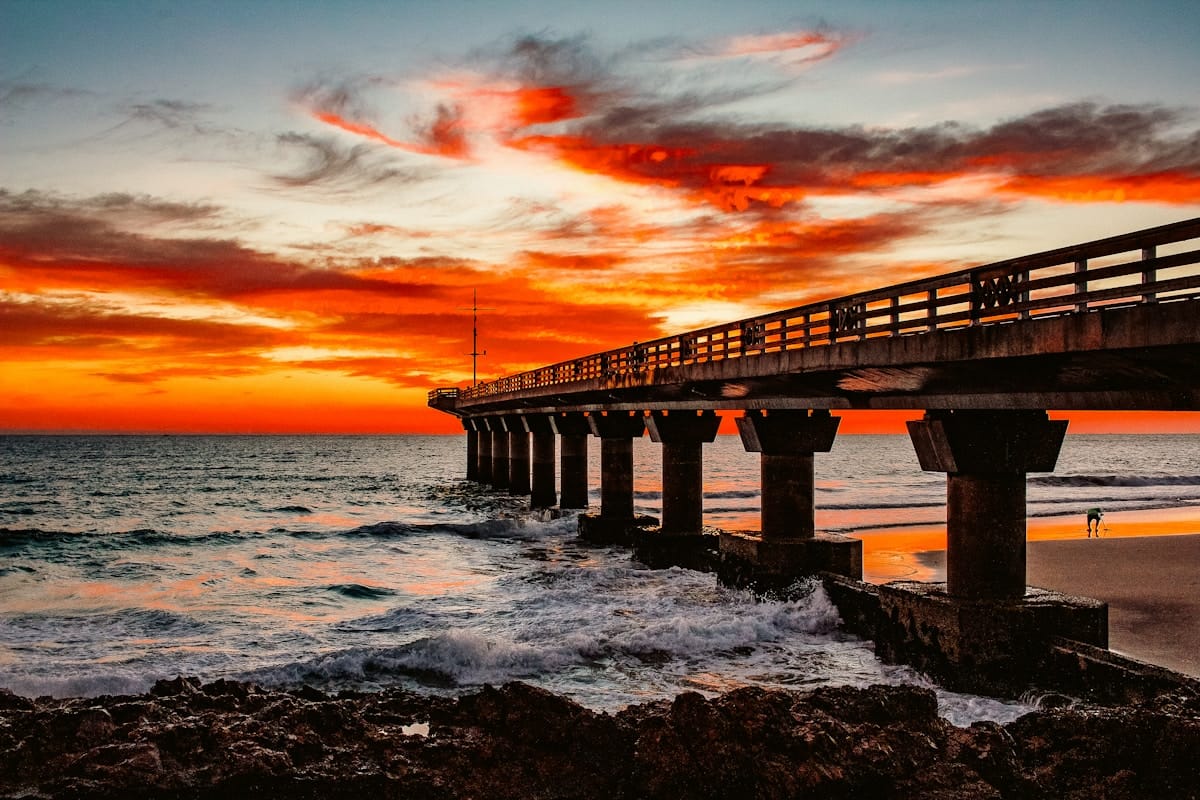
Gqeberha (officially renamed from Port Elizabeth in 2021, though both names are in common use) is the main city of the Eastern Cape and South Africa’s most underrated Big Five gateway. Addo Elephant National Park is 75 km north. The beach strip at Summerstrand is uncrowded. The Route 67 public art trail through the upper city is one of the country’s more interesting urban heritage walks. And unlike Kruger or the Cape Peninsula, the entire Eastern Cape is malaria-free.
The city doesn’t compete with Cape Town’s beauty or Johannesburg’s energy. What it offers instead is practicality — a comfortable, relatively affordable base with genuine wildlife access, a surf culture (Jeffreys Bay is an hour west), and the Eastern Cape’s extraordinarily rich historical weight connecting colonial-era Port Elizabeth to Nelson Mandela’s birthplace in the Mthatha hinterland.
Addo Elephant National Park
The primary reason most international visitors stop in Port Elizabeth. Addo was founded in 1931 to protect the last 11 elephants in the Eastern Cape — after decades of hunting had reduced the population from thousands to a remnant. Today the park holds over 600 elephants along with lion, leopard, buffalo, black rhino, spotted hyena, and the full suite of antelope typical to the Eastern Cape bush.
The main rest camp (Addo Main) is the base for most visits. The Addo Interpretive Centre near the entrance provides context on the park’s history and ecology. Two viewpoints overlook the large waterhole where elephant congregations are common in the afternoon, particularly in dry months (July–September).
Accommodation within the park (SANParks chalets, camping) is worth booking for an overnight stay — the park in the early morning before day visitors arrive is a different, quieter experience. Day visitors can enter with a personal vehicle; no guide is required.
Search hotels in Port Elizabeth on Booking.com
- Entry: Approximately R232 per adult, R116 per child (2–11 years) as of 2026 (international visitor rates — these increase annually)
- Hours: Park gates open 24 hours; rest camp reception 7am–9pm
- Distance from Port Elizabeth: 75 km north; approximately 1 hour 10 minutes via the N2 and R335
- Book: SANParks website for day passes, accommodation, and guided activities
Route 67 and the Donkin Reserve
Route 67 is Port Elizabeth’s most distinctive urban attraction. The public art trail descends approximately 67 metres through the upper city — the number referencing Nelson Mandela’s 67 years of public service — connecting the Donkin Reserve at the top with the beachfront below. Sixty-seven artworks by South African artists line the route.
The Donkin Reserve at the top is the city’s oldest public open space, established in 1820 by Acting Governor Sir Rufane Donkin in memory of his wife Elizabeth (after whom the city was originally named). The reserve contains the Donkin Lighthouse (1861), a prominent pyramid memorial to Lady Elizabeth, and panoramic views across Algoa Bay.
Walking Route 67 downhill from the reserve to the beachfront takes approximately 45–60 minutes at a comfortable pace. The public artworks vary in quality and ambition — the photographic panels documenting Nelson Mandela’s life are among the strongest. The route passes through the historic upper city with its Victorian buildings and the Campanile (a 54-metre bell tower erected in 1923 to commemorate the 1820 Settlers).
- Entry: Free; open daily
- Walking time: 45–60 minutes downhill; allow more for photos and reading panels
- Start point: Donkin Reserve (Belmont Terrace, Central)
Humewood Beach and Summerstrand
The beachfront strip running south from Port Elizabeth’s city centre along Humewood and Summerstrand is the practical heart of the tourist city. The beach itself — white sand, generally clean, patrolled by lifeguards in season — stretches several kilometres and is backed by hotels, restaurants, and the Boardwalk entertainment complex.
The water is significantly warmer here than on the Cape Atlantic coast (the Eastern Cape coast is washed by the Agulhas current rather than the Benguela cold current). Swimming is viable year-round; the summer months (November to March) see the warmest water temperatures at 22–25°C.
Kings Beach, immediately south of the Campanile, is the most popular swimming beach. Humewood Beach (slightly south) is quieter and backed by a flat promenade. Both are accessible by foot from the main hotel strip.
- Entry: Free
- Best months for swimming: November to March
- Nearest facilities: The Boardwalk complex, 1 km south of Kings Beach
The Boardwalk Casino and Entertainment World
The Boardwalk is Port Elizabeth’s main entertainment complex — a casino, restaurant precinct, hotel, and waterfront promenade all in one place. The casino operates around the clock. The restaurant strip faces Algoa Bay and is particularly good at sunset. An outdoor amphitheatre hosts live music and events on selected evenings.
For families, the Boardwalk has a small funfair and mini-golf that work well for an evening when Addo plans or beach time is used up. It’s not especially distinguished in itself, but it’s well-run and reliable.
- Entry: Free to enter the Boardwalk complex; casino entry for 18+
- Hours: 24 hours; restaurants from approximately 11am–10pm
- Location: Summerstrand, adjacent to the beach
SAMREC — South African Marine Rehabilitation and Education Centre
SAMREC (also known as the Port Elizabeth Penguin Treatment Centre) is the main African penguin rehabilitation facility in the Eastern Cape. The centre treats injured, oiled, and malnourished African penguins — a critically endangered species — before releasing them back into the wild.
Guided tours run daily and take visitors through the rehabilitation facilities, the feeding pools, and the release pens. The centre houses 40–80 penguins at any given time depending on season and rescue caseload. Unlike a zoo, the animals are here to be released — you’re watching active wildlife rehabilitation, not a permanent exhibit.
The African penguin population has declined over 90% since the 1900s. SAMREC’s work is directly conservation-relevant, and the tour makes this context clear.
- Entry: Approximately R80 per adult, R45 per child as of 2026
- Hours: Daily 9am–3pm; guided tours on the hour
- Location: Bird Street, Port Elizabeth; 10 minutes from the beachfront by car
Sardinia Bay
Sardinia Bay is a wild beach 20 km south of Port Elizabeth, tucked inside a marine reserve that prevents commercial development. The bay is flanked by large vegetated dunes (accessible on foot), a lagoon, and semi-wild vegetation more typical of the Eastern Cape fynbos than a manicured beachfront.
The water can be rough and is not always safe for swimming — check conditions before entering. The beach is best visited for the landscape, the wind, and the unusual feeling of being entirely alone on a substantial South African beach. A short circular walk over the dune ridge to the rocky southern point takes about 45 minutes and gives excellent views in both directions.
This is not a facilities destination. There are no shops, no restaurants, and no lifeguards. Bring water and a hat.
- Entry: Free; part of the Sardinia Bay Marine Protected Area
- Getting there: 20 km south via Cape Road and Sardinia Bay Road; car or Uber
Bayworld Museum Complex
The Bayworld complex (formerly the Port Elizabeth Museum) houses the city’s natural history and cultural history collections, a reptile park, and a small outdoor dolphin stadium. The natural history collection documents Eastern Cape biodiversity with reasonable depth; the cultural history section covers the 1820 Settlers and the Xhosa cultural traditions of the Eastern Cape.
The ocean aquarium section is modest by international standards. The complex is better treated as a 90-minute rainy-day option than as a destination in its own right.
- Entry: Approximately R85 per adult, R45 per child as of 2026
- Hours: Daily 9am–4:30pm
- Location: Beach Road, Humewood
Fort Frederick
Fort Frederick (1799) is the oldest British colonial building in South Africa — a small stone fortification built during the Cape’s brief British occupation before the Batavian Republic era, perched on a ridge above the Baakens River. It was never fired upon in anger. The fort is small (it fits about 100 soldiers at capacity) but the view over the river mouth and Algoa Bay is one of the best elevated perspectives in the city.
It sits at the start of the Route 67 trail, making it a natural first stop before descending to the Donkin Reserve and continuing the route downhill.
- Entry: Free
- Hours: Open daily
- Location: Fort Frederick Precinct, off Bird Street
Practical Information
Getting around: Uber and Bolt work across Port Elizabeth. The beachfront strip (Humewood/Summerstrand) is walkable for visitors staying in that area. A car is needed for Addo, Sardinia Bay, and most day trips.
Best time to visit: Year-round. October to April is warmest for beach use. July to September is dry and excellent for Addo (lower vegetation means easier elephant sightings at waterholes). Whale watching (southern right whales) is possible in the bay from June to November.
Safety: The Summerstrand and Humewood beachfront areas are comfortable for walking. The central CBD and industrial port areas are less so — use Uber point-to-point rather than walking through unfamiliar areas.
For context on the Eastern Cape region see the Eastern Cape travel guide.