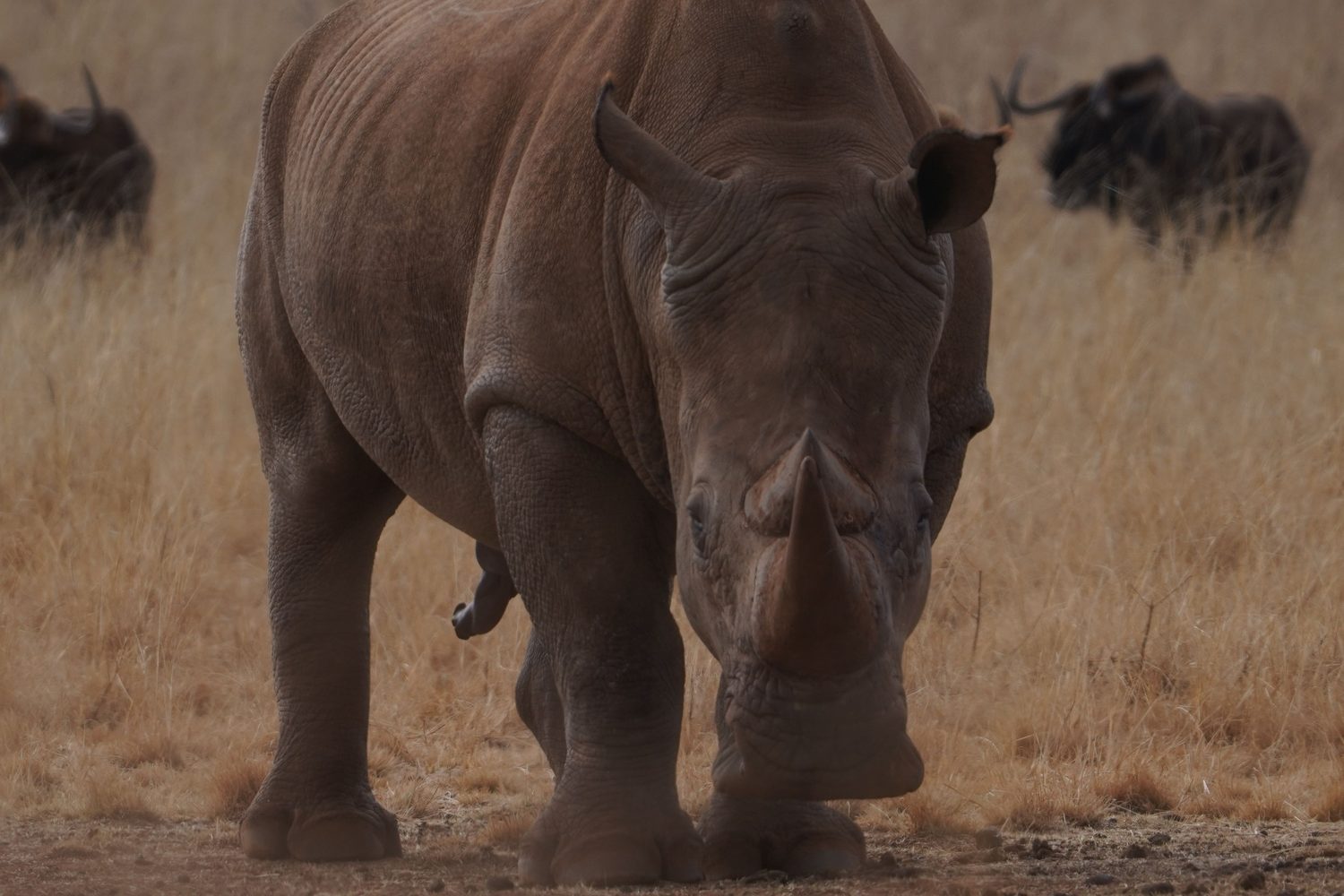
The Big Five — lion, leopard, elephant, Cape buffalo and rhinoceros — were originally named by trophy hunters as the five most dangerous animals to hunt on foot. Today the term means something different: a shorthand for the wildlife encounters that draw millions of visitors to South Africa every year.
South Africa is one of the few countries where you can see all five in a single trip. Kruger alone holds roughly 20,000 elephants, 1,500 lions, 1,000 leopards, 37,000 buffalo and around 5,000 white rhino. But Kruger is far from the only option — read on for where each species is most reliably found, which parks suit which travel styles, and the best months to maximise sightings.
The Big Five at a Glance
| Animal | Est. population in SA | Best park | Difficulty |
|---|---|---|---|
| African elephant | 47,000+ | Addo Elephant NP, Kruger | Easy |
| Cape buffalo | 55,000+ | Kruger, Hluhluwe-iMfolozi | Easy |
| White rhino | 13,000+ | Hluhluwe-iMfolozi, Kruger | Moderate |
| Black rhino | ~2,000 | Addo, Eastern Cape reserves | Hard |
| Lion | 3,500+ | Kruger, Pilanesberg, Sabi Sands | Moderate |
| Leopard | 12,000+ | Sabi Sands, Kruger | Hard |
Where to See Each Species
Elephant
South Africa holds the continent’s largest single population of African elephants at Addo Elephant National Park in the Eastern Cape — over 700 animals in a relatively compact reserve, which means sightings are nearly guaranteed year-round. Addo is also one of the best places to see black rhino, making it an efficient option if you’re combining Big Five viewing with an Eastern Cape trip.
In Kruger, elephants are ubiquitous across the entire park. Satara, Skukuza and Lower Sabie rest camps all sit in high-density elephant country. Waterholes near Olifants camp (named for the elephants) are particularly rewarding at dusk.
Buffalo
Cape buffalo form the backbone of many predator ecosystems — lions follow the herds, so where you find large buffalo concentrations you usually find lions nearby. Kruger has the highest density: the central Satara region consistently produces large herds of several hundred animals. Hluhluwe-iMfolozi in KwaZulu-Natal also holds substantial herds, and because the park is smaller, encounters feel close and unhurried.
Buffalo are herd animals and generally diurnal, which makes them one of the more straightforward Big Five sightings on a self-drive safari.
White Rhino
Hluhluwe-iMfolozi Park is the home of white rhino conservation. In the 1960s the population had collapsed to under 100 animals; today over 1,600 white rhino live in the park, and most of the world’s remaining white rhino can trace their lineage to iMfolozi. Sightings are reliable — white rhino are sociable grazers who prefer open grassland, and the park’s combination of thornveld and open plains suits them well.
Kruger also holds significant white rhino numbers concentrated in the southern section around Pretoriuskop and Lower Sabie. Pilanesberg Game Reserve, two hours from Johannesburg, is another solid option for day-trippers or weekend visitors.
Black Rhino
Black rhino are browsers rather than grazers, preferring dense thicket — which makes them harder to spot than their white cousins. South Africa holds the world’s largest population (around 2,000 animals), but sightings take patience.
Addo holds a healthy black rhino population, and because the park is intensively managed with good road coverage, your odds are better here than in most places. Eastern Cape parks — including Shamwari, Kwandwe and Amakhala — also maintain black rhino and offer guided walks that improve sighting chances. Hluhluwe-iMfolozi has both species.
Lion
Lions are most reliably found across Kruger’s central plains, particularly around Satara camp and along the Sabie River corridor south of Skukuza. Prides are well-studied and their movements tracked — rangers at rest camp gates often share fresh sighting information at the boom each morning.
For an almost guaranteed lion encounter without the self-drive effort, the Sabi Sands Game Reserve (unfenced border with Kruger) is where the famous Londolozi and MalaMala prides have been habituated to vehicles for decades. Expect to pay R8,000–R18,000 per person per night at the top lodges.
Pilanesberg is the most accessible lion-viewing option from Johannesburg — a two-hour drive to a malaria-free reserve with a resident pride and reliable open-plains habitat.
Leopard
Leopard are the trophy sighting of any safari — solitary, nocturnal and perfectly camouflaged in riverine woodland. Sabi Sands is globally famous for leopard encounters; the cats have been accustomed to game vehicles for three generations and are regularly found resting in trees with kills. Sightings on morning and afternoon drives run at roughly 80–90% on a three-night stay.
In Kruger on a self-drive, leopard sightings require patience and luck. Focus on kopjes, drainage lines and the Sabie River vegetation south of Skukuza. Early morning and the hour before sunset are the most productive times.
Best Parks for Big Five South Africa
Kruger National Park
Kruger is the benchmark — roughly the size of Wales, with over 2 million hectares and more species than almost any park on earth. Big Five density is highest in the southern section (Skukuza to Crocodile Bridge), while the northern Pafuri region offers extraordinary birdlife and fewer crowds.
Self-drive is affordable — conservation fees for international visitors run approximately R480 per person per day (2025/26 rates). You can cover Kruger under your own steam in a standard sedan, though a high-clearance vehicle opens more gravel roads. See our self-drive vs guided comparison for a full breakdown.
Addo Elephant National Park
The Eastern Cape’s flagship reserve delivers Big Five (including black rhino, lion and leopard) without the malaria risk or the Johannesburg transit required for Kruger. The park is small enough to cover thoroughly in two or three days, and elephant sightings are virtually guaranteed. Read our full Addo guide for camps, fees and what to expect.
Hluhluwe-iMfolozi (KwaZulu-Natal)
Africa’s oldest proclaimed nature reserve and the cradle of modern white rhino conservation. The landscape of rolling thornveld and open grassland suits Big Five viewing, and the park also borders the iSimangaliso Wetland Park — meaning you can combine savanna game drives with coastal wildlife in a single KZN trip. Note: the northern parts of KZN carry malaria risk; take prophylactics.
Pilanesberg (North West Province)
Two hours from Johannesburg, malaria-free, and home to all Big Five. Pilanesberg is the most practical option for visitors based in Gauteng who can’t make the Kruger drive. Sun City sits on the park’s western border, making it a family resort option with serious game viewing on the side. Sightings are generally good; elephant and rhino especially so.
Private Reserves (Sabi Sands, Madikwe, Tswalu)
Private reserves offer two game drives per day with an experienced guide and tracker, night drives (not permitted in Kruger), and higher Big Five encounter rates through co-ordinated sighting networks. The trade-off is cost. Budget a minimum R5,000–R8,000 per person per night at mid-range lodges; flagship properties start at R20,000+. Kruger vs. private reserves goes deep on when the premium is worth it.
Best Time for Big Five Sightings
Dry season (May–October) is prime Big Five time. Vegetation thins, animals concentrate at permanent waterholes, and the lack of surface water funnels wildlife into predictable locations. July and August see peak visibility — grass is short, mornings are crisp, and animals are active into mid-morning before retreating to shade.
Wet season (November–April) brings lush green landscapes, newborn calves, and excellent birdwatching, but thicker vegetation makes spotting harder. January and February are particularly challenging. Rates drop 20–40% at many lodges, which makes wet season a legitimate option for experienced safari-goers on a budget.
The shoulder months of May and September offer a useful compromise — reasonable visibility, lower crowds than peak July, and rates that haven’t fully shifted to high-season pricing.
Practical Planning
Getting there: Most Kruger safari routes start in Johannesburg. Renting a car gives you flexibility for self-drive — compare car hire options for the best rates. Addo is accessible from Port Elizabeth (now Gqeberha), about 75km away.
Health: Malaria is present in Kruger, Hluhluwe-iMfolozi and other northern parks. Take prophylactics (Malarone or doxycycline) and use repellent. Addo and Pilanesberg are malaria-free.
Safari costs: Budget varies enormously depending on whether you self-drive or go guided. Our South Africa safari cost guide covers daily budgets, park fees and lodge categories in detail.
Booking safaris and tours: Browse Kruger safaris and guided game drives for vetted operators. For guided Big Five tours from Cape Town or Johannesburg, South Africa tours and activities covers the wider options. Addo Elephant Park tours lists small-group day tours from Port Elizabeth.
Frequently Asked Questions
Can you see all Big Five in one day? Occasionally, but don’t plan your trip around it. Most visitors covering Kruger or Addo over two or three days complete their Big Five checklist, but individual sightings are never guaranteed.
Which Big Five animal is hardest to see? Leopard, reliably. Black rhino is a close second. If a habituated leopard encounter is your priority, budget for a private reserve like Sabi Sands rather than a self-drive Kruger trip.
Is the Big Five viewing safe from a vehicle? In national parks and private reserves, yes — animals are habituated to vehicles and rangers follow strict protocols. Never exit your vehicle unless instructed by a guide.
Do you need a 4x4? Not in Kruger or Addo for the main road network. A standard sedan handles 95% of roads. A 4x4 opens additional game-viewing loops, particularly in Kruger North.