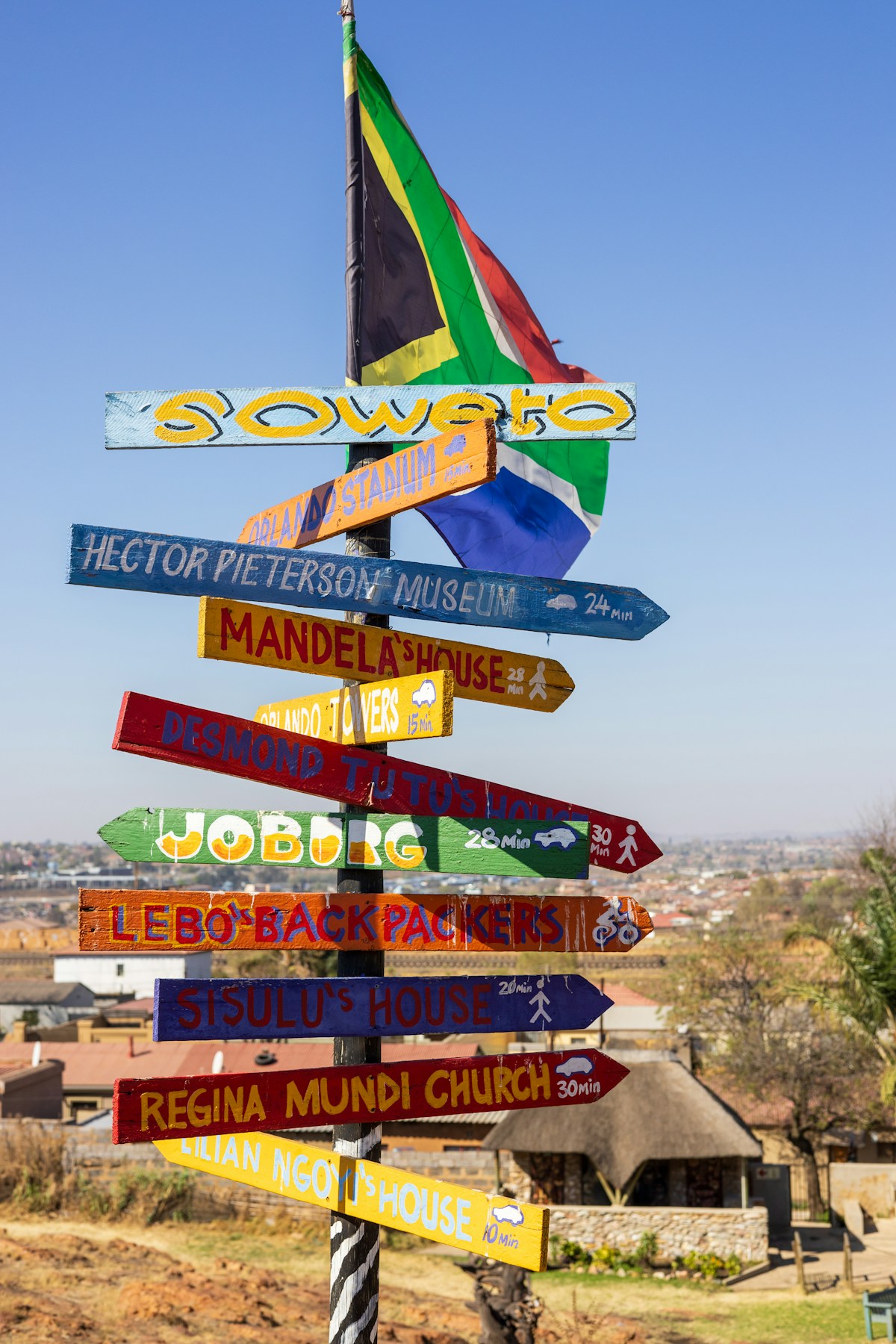
South Africa has eleven official languages, making it one of the most linguistically diverse countries on Earth. English serves as the common language for business and tourism, but Zulu (isiZulu) is the most widely spoken first language with around 12 million native speakers, followed by Xhosa, Afrikaans, and others. We cover Afrikaans and Zulu here as the two non-English languages travellers are most likely to encounter - Afrikaans in the Western Cape and Garden Route, Zulu in KwaZulu-Natal and Gauteng.
Greetings and Basics
Afrikaans
| English | Afrikaans | Pronunciation |
|---|---|---|
| Hello | Hallo | ha-LOR |
| Good morning | Goeie more | HOO-yuh MORE-uh |
| Good evening | Goeie naand | HOO-yuh NAHNT |
| Thank you | Dankie | DUN-kee |
| Please | Asseblief | AH-suh-bleef |
| Yes | Ja | YAH |
| No | Nee | NEE-uh |
| Excuse me | Verskoon my | fur-SKOON may |
| Goodbye | Totsiens | TOHT-seens |
| How are you? | Hoe gaan dit? | hoo KHAHN dit |
| I’m fine, thank you | Goed dankie | KHOOT DUN-kee |
Zulu (isiZulu)
| English | Zulu | Pronunciation |
|---|---|---|
| Hello (to one person) | Sawubona | sah-woo-BOH-nah |
| Hello (to a group) | Sanibonani | sah-nee-boh-NAH-nee |
| How are you? | Unjani? | oon-JAH-nee |
| I’m fine | Ngikhona | ngee-KOH-nah |
| Thank you | Ngiyabonga | ngee-yah-BON-gah |
| Thank you very much | Ngiyabonga kakhulu | ngee-yah-BON-gah kah-KOO-loo |
| Please | Ngicela | ngee-CEH-lah |
| Yes | Yebo | YEH-boh |
| No | Cha | CHAH |
| Goodbye (to one leaving) | Hamba kahle | HAM-bah KAH-leh |
| Goodbye (staying behind) | Sala kahle | SAH-lah KAH-leh |
Getting Around
| English | Afrikaans | Zulu |
|---|---|---|
| Where is…? | Waar is…? (VAHR is) | …kuphi? (KOO-pee) |
| How much? | Hoeveel? (HOO-feel) | Malini? (mah-LEE-nee) |
| Left | Links (LINKS) | Kwesokunxele (kweh-soh-koon-SHEH-leh) |
| Right | Regs (REKHS) | Kwesokudla (kweh-soh-KOOD-lah) |
| Stop here | Stop hier (stop HEER) | Yima lapha (YEE-mah LAH-pah) |
| Help me | Help my (help MAY) | Ngisize (ngee-SEE-zeh) |
| Too expensive | Te duur (tuh DIER) | Kubiza kakhulu (koo-BEE-zah kah-KOO-loo) |
Food and Dining
| English | Afrikaans | Pronunciation |
|---|---|---|
| Food | Kos | KORS |
| Water | Water | VAH-ter |
| The bill, please | Die rekening, asseblief | dee REH-kuh-ning AH-suh-bleef |
| Delicious | Lekker | LEK-ker |
| Meat | Vleis | FLAYS |
| Bread | Brood | BROO-ut |
| Coffee | Koffie | KOF-fee |
| Wine | Wyn | VAYN |
| Beer | Bier | BEER |
| Cheers! | Gesondheid! | khuh-SONT-hate |
| Braai (barbecue) | Braai | BRY |
Numbers (Afrikaans)
| Number | Afrikaans | Pronunciation |
|---|---|---|
| 1 | Een | EE-un |
| 2 | Twee | TVEE |
| 3 | Drie | DREE |
| 4 | Vier | FEER |
| 5 | Vyf | FAYF |
| 6 | Ses | SES |
| 7 | Sewe | SEH-vuh |
| 8 | Agt | AKHT |
| 9 | Nege | NEH-khuh |
| 10 | Tien | TEEN |
Emergency Phrases
| English | Afrikaans | Zulu |
|---|---|---|
| Help! | Help! (HELP) | Usizo! (oo-SEE-zoh) |
| Police | Polisie (poh-LEE-see) | Amaphoyisa (ah-mah-poh-YEE-sah) |
| Hospital | Hospitaal (hos-pee-TAHL) | Isibhedlela (ee-see-bhed-LEH-lah) |
| I need a doctor | Ek het ‘n dokter nodig (ek het un DOK-ter NOH-dukh) | Ngidinga udokotela (ngee-DING-ah oo-doh-koh-TEH-lah) |
Afrikaans pronunciation is close to Dutch and follows regular patterns - the “g” is always a throaty “kh” sound, and “w” sounds like English “v”. Zulu has click consonants (written as c, q, and x) that take practice, but for basic phrases you can approximate them and still be understood. The “ng” at the start of many Zulu words is a nasal sound similar to the “ng” in “sing”. We recommend learning “Sawubona” and “Dankie” as your two starter words - between them they cover most of South Africa’s geography and will earn you genuine smiles everywhere.
Ready to plan your trip? eSIM for South Africa or Tours & Activities in Cape Town.
Where These Phrases Make the Most Difference
Learning a handful of local words is one thing; using them in context is another entirely. These are the experiences where a Zulu greeting or a well-timed dankie earns you something real — a warm smile from a township guide, a discount at a market stall, or a moment of genuine connection.
Cultural experiences where your phrases land:
- Things to do in Soweto — township tours with local guides are Zulu-language immersion in practice; sawubona and ngiyabonga will be used and appreciated
- Durban city guide — South Africa’s most Zulu city; the phrases above get used here every single day
- KwaZulu-Natal travel guide — the heartland of isiZulu covering the coast, Drakensberg, Hluhluwe, and the Midlands
- Cape Town tours and activities — Bo-Kaap, District Six, and the Cape Winelands are where your Afrikaans practice pays dividends
South Africa itineraries that cross both language regions:
- 14 Days in South Africa — moves through Cape Town (Afrikaans) and the Kruger/Limpopo circuit (Zulu and Ndebele); both phrase sets apply
- 7 Days in Cape Town — deep in the Western Cape; dankie and asseblief every day from arrival to departure
- 5 Days Kruger Safari — the Lowveld and Mpumalanga, where Zulu greetings are heard at every gate and around every campfire
Practical South Africa:
- Is South Africa safe? — knowing some local phrases helps you navigate situations confidently
- Solo travel in South Africa — solo travellers benefit most from a few local words
- South Africa budget and costs — knowing how to greet vendors and bargain politely goes a long way