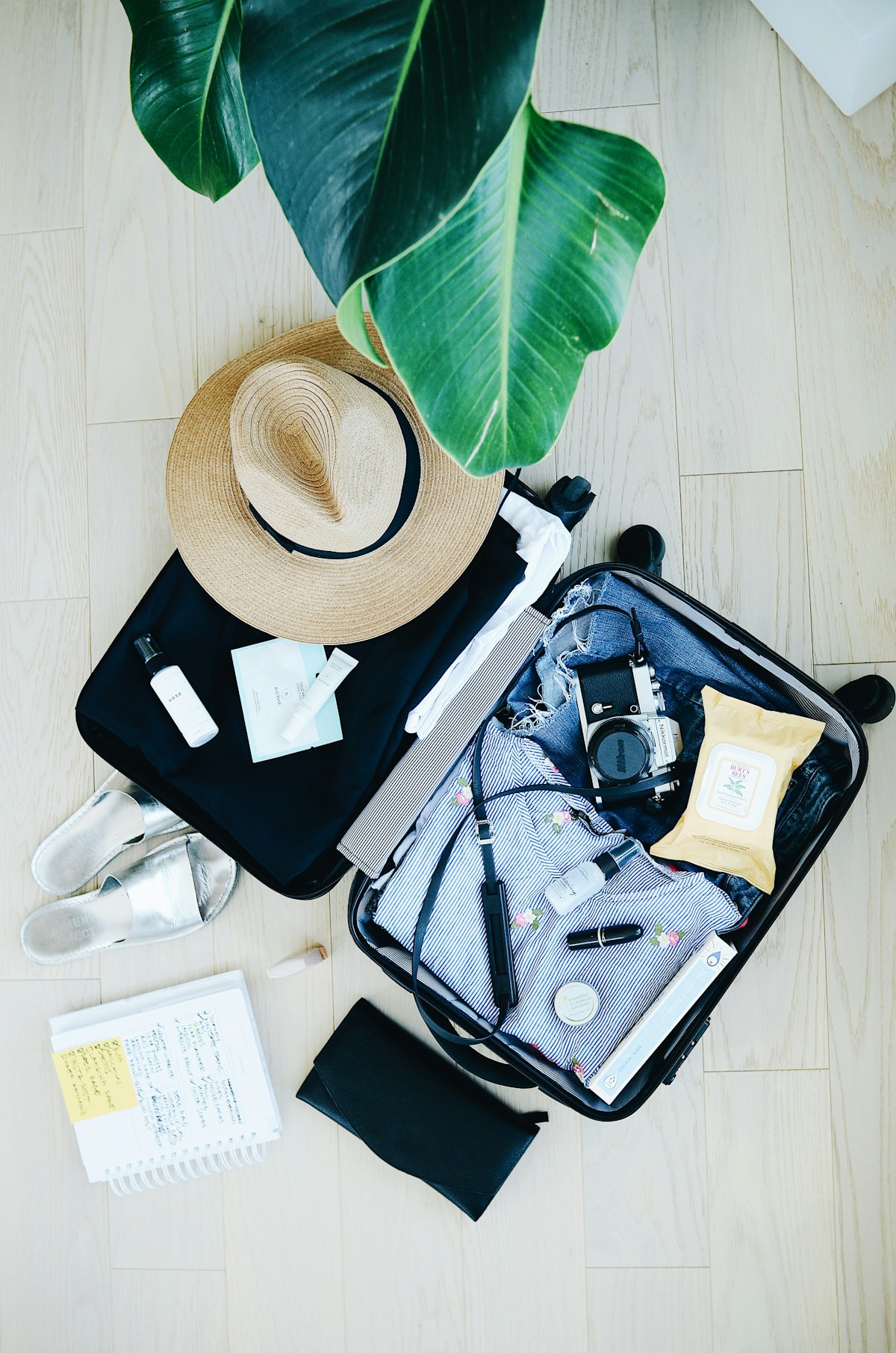
Packing for South Africa is harder than it looks, because one trip often spans three climates: a Highveld city at altitude, a subtropical safari lowveld, and a Mediterranean coast - sometimes in the same week. The good news is that none of it requires specialist gear beyond a couple of safari-specific items, and anything forgotten can be bought locally.
Here’s the full list, organised so you can skip what doesn’t apply to your route and season. For when to actually go, see our best time to visit guide.
The Non-Negotiables (Every Trip, Every Season)
- Type M plug adapter - South Africa’s large three-round-pin socket is missing from most “universal” adapters. Bring at least one dedicated Type M; newer hotels also have Type N (Euro two-pin compatible) and USB ports, but don’t count on it. Available locally for approximately R50–R100 if you forget.
- Sunscreen SPF 50 and a brimmed hat - the South African sun is fierce year-round, including in winter and on overcast Cape days.
- A warm layer, even in summer - fleece or light down jacket. Joburg sits at 1,750 m, Cape Town gets wind, and safari vehicles at 5:30am are cold in every month.
- Comfortable broken-in walking shoes - trainers are fine for almost everything, including standard safaris.
- Power bank (10,000mAh+) - useful for long game drives, and essential if load shedding is active during your trip.
- Photocopies/photos of passport and documents - keep separate from originals.
- Unabridged birth certificates for children under 18 - a South African entry requirement, strictly enforced. Not packing this can mean denied boarding; see our visa requirements guide.
- Daypack with rain shell tucked in.
Safari-Specific Items (Kruger, KZN Reserves, Private Lodges)
- Neutral-coloured clothing - khaki, olive, tan, grey, brown. Avoid white, black, dark blue, and bright colours. You need less than you think: 2–3 shirts, 2 trousers/shorts, laundered at most lodges within a day.
- Binoculars - 8x42 or 10x42 ideally. The single most regretted omission. One pair per person, not per couple.
- Warm hat, gloves, and windproof jacket (May–September) - winter dawn drives in an open vehicle run close to 0°C. Lodges supply blankets and hot water bottles, but your hands and ears are your problem.
- Camera with zoom - phones handle landscapes; a 200mm+ zoom changes wildlife shots. Bring spare batteries and cards.
- Soft-sided duffel bag if your itinerary includes light aircraft transfers to private reserves - hard shells often refused, weight limits typically 20 kg.
- Headlamp or torch - camps are dark at night by design.
Malaria-Zone Considerations
Kruger, the Panorama Route lowveld, and far northern KwaZulu-Natal (Hluhluwe-iMfolozi, iSimangaliso, Sodwana) are malaria-risk areas, especially in the wet season (roughly October–May). Cape Town, the Garden Route, Addo, and the Drakensberg are malaria-free.
If your route includes a malaria zone, pack:
- Prophylaxis as prescribed by a travel clinic before departure - see our health and vaccinations guide for the full picture.
- DEET-based repellent (30–50%) - apply at dawn and dusk. Available locally (Peaceful Sleep, Tabard are the SA standards) but bring your preferred brand.
- Long sleeves and long trousers for evenings - lightweight, light-coloured. This is your first line of defence regardless of medication.
By Season
Summer (November–March)
Hot everywhere; humid in Durban and the lowveld, dry heat inland, warm and windy in the Cape.
- Lightweight breathable clothing, swimwear, sandals
- Rain shell - Joburg and Kruger get dramatic afternoon thunderstorms
- That fleece anyway (see above)
- High-SPF everything; the UV index regularly maxes out
Winter (May–September)
This is where packing goes wrong most often, because South African winter means two opposite things:
- Cape Town winter is wet and windy - 8–18°C, Atlantic storms, rain in sustained fronts. Pack a proper waterproof jacket, jumpers, and shoes that handle wet pavements. Indoor heating is weaker than northern-hemisphere visitors expect; sleepwear layers help in guesthouses.
- Kruger/Joburg winter is bone-dry and sunny with a huge daily swing: mornings near 0–5°C, afternoons 22–26°C. Pack for both in the same day - thermals, beanie, and gloves for the dawn game drive, t-shirt by 11am. This is also peak safari season (thin bush, animals at waterholes), so don’t let the cold mornings put you off.
Shoulder (April, October)
The easiest months to pack for: layers, one warm jacket, one rain shell, everything else light.
Region Quick Reference
| Region | Summer | Winter | Malaria |
|---|---|---|---|
| Cape Town & Winelands | Hot, dry, windy | Cold, wet, stormy | No |
| Garden Route | Warm, mild | Cool, some rain | No |
| Johannesburg | Warm days, storms | Dry, cold nights | No |
| Kruger & Lowveld | Hot, humid, storms | Dry, cold mornings | Yes |
| Durban & KZN coast | Hot, humid | Mild, sunny (20°C+) | North only |
| Drakensberg | Warm, daily storms | Clear, freezing nights | No |
What Not to Bother Packing
- A universal adapter without Type M - it won’t fit most sockets.
- Heavy hiking boots - unless you’re doing serious Drakensberg trails, trainers cover everything.
- Camouflage clothing - restricted in several African countries and pointless in SA.
- Excessive cash - cards work nearly everywhere; carry a modest ZAR buffer (R500–R1,000) and use ATMs. Card machine and ATM details are in our budget and costs guide.
- Drone, casually - flying near national parks is illegal without permits; SANParks enforces this. Leave it home unless you’ve researched CAA rules.
Final Check Before You Fly
- Type M adapter packed (or first-day supermarket stop planned)
- Malaria prophylaxis started if your route needs it
- Binoculars in, if any safari days
- One warm layer regardless of season
- Children’s unabridged birth certificates, if applicable
- Travel insurance sorted - medical evacuation cover matters on safari trips
Everything else, South Africa’s shops can fix.
Ready to plan your trip? Travel Insurance for South Africa, eSIM for South Africa, or Flights to South Africa.
See Also
- Health and vaccinations - malaria zones, vaccinations recommended, and water safety
- Best time to visit South Africa - what season you’re packing for changes everything
- Kruger safari guide - what specific safari gear to prioritise for a Kruger self-drive
- South Africa budget and costs - what to buy in South Africa vs bring from home
- Family travel in South Africa - packing considerations for travelling with children
- Getting around South Africa - car hire and transport options that affect what you need to pack