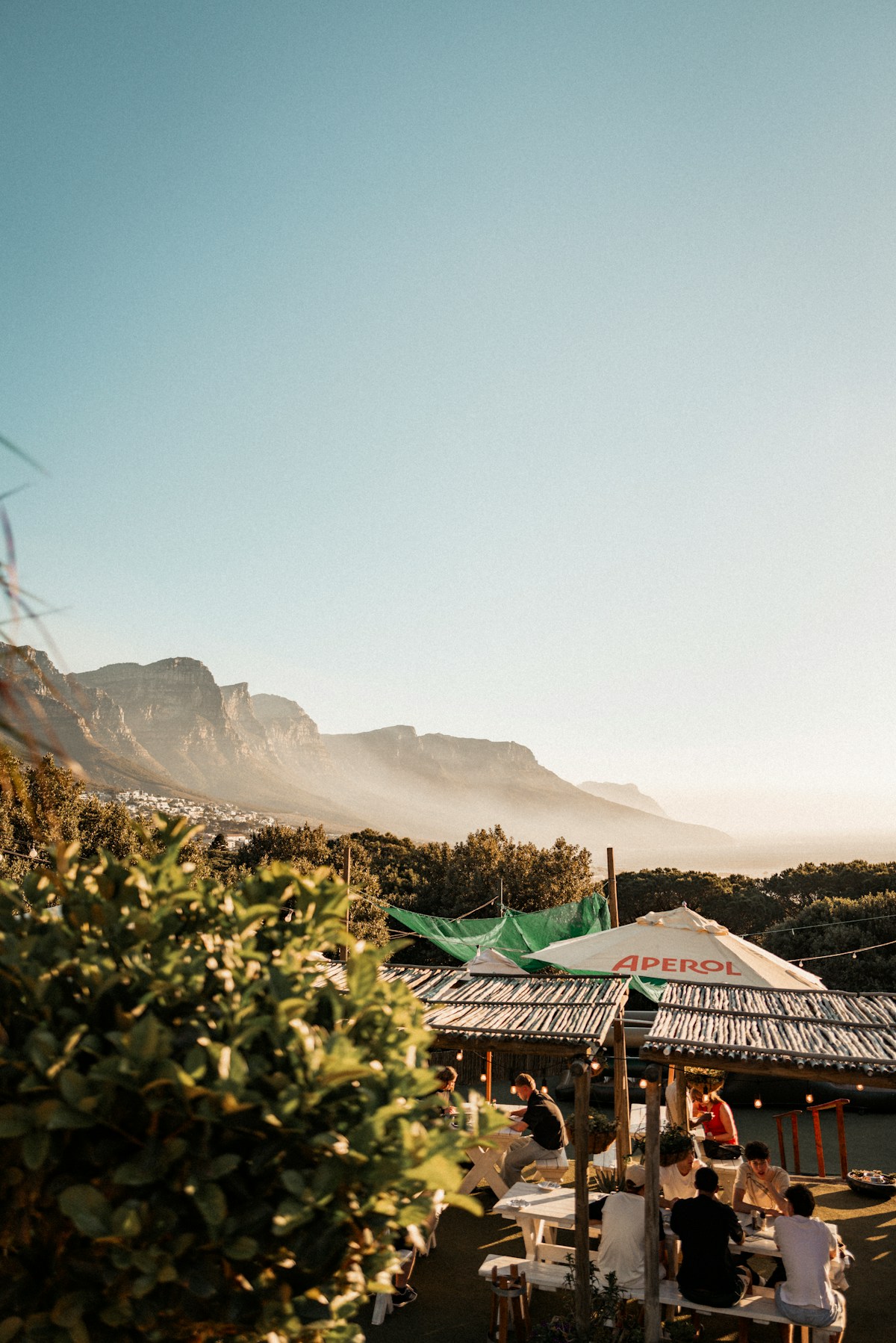
Tipping in South Africa is not optional social nicety - it is a genuine economic lifeline for millions of service workers. Wages in hospitality, tourism, and informal service sectors are low, and tips often make up the majority of a worker’s take-home income. Understanding what to tip, and when, is one of the most practically important things you can do as a visitor.
The Short Answer
Standard tip: 10–15% for sit-down restaurants. Cash tips in ZAR are almost always preferred over card. For most informal services - car guards, petrol attendants, hotel porters - R5 to R20 is the going rate as of 2026.
Restaurants and Cafés
The most common tipping scenario you will encounter. A 10–15% tip on the bill is standard at sit-down restaurants. At higher-end establishments in Cape Town, Johannesburg, or on a game lodge dining experience, 15% is the norm. If service has been genuinely excellent - attentive, personable, accurate - 20% is a generous and well-received gesture.
What to leave:
- Casual restaurant (pizza, local bistro): 10%, e.g. R20–R40 on a R200–R400 bill
- Mid-range restaurant: 12–15%, e.g. R60–R90 on a R600 bill
- Fine dining: 15%, e.g. R150 on a R1,000 bill
Important: When paying by card, many restaurants will ask if you want to add a gratuity - this goes to the business, not always directly to your server. Cash tipped in person to your waiter is the most reliable way to ensure the full amount reaches them. Always check if a service charge has already been added to the bill (common at tourist-heavy spots in the V&A Waterfront or Sandton) before adding another tip on top.
Tipping at a take-away counter or fast-food chain is not expected, though rounding up small change is common and appreciated.
Petrol Attendants
South Africa has full-service petrol stations - you do not pump your own fuel. The attendant fills your tank, checks your tyre pressure and oil if asked, cleans your windscreen, and disposes of your litter. Tipping them is standard practice.
What to leave: R5–R10 for a basic fill. R10–R20 if they checked tyres, cleaned windows, or were especially helpful.
Always keep small change in the car for this purpose. If you ask them to check oil or tyres as well, tip toward the higher end.
Car Guards
Car guards are an informal institution in South Africa. They operate in parking areas outside shopping centres, restaurants, beaches, and tourist spots. They are not employed by the venue - they work independently and are typically from disadvantaged communities with limited formal employment options.
Their job is to watch your car and help you reverse out safely. Whether or not their presence actually deters crime is debated, but the expectation to tip is well-established and ignoring it entirely is considered poor form.
What to leave: R5–R10 when you return to your car. If you were parked for a long time or they were particularly helpful, R20 is appropriate.
Hand the tip directly to the car guard as you leave - not before, when you arrive.
Hotel Staff
Tipping hotel staff is standard practice at all levels of accommodation, from guesthouses to five-star hotels.
Porters and bellhops: R10–R20 per bag carried to your room.
Housekeeping: R20–R50 per day, left in an envelope or on the pillow with a note. Leave it daily rather than at checkout - staff may rotate and the person who cleaned your room today may not be there on your final morning.
Concierge: If they arranged a restaurant reservation, organised a transfer, or went out of their way to help: R50–R100 is appropriate.
Room service: 10% of the bill if a service charge has not already been added.
At luxury safari lodges, the tipping culture is more formalised (see Safari Guides below).
Safari Guides and Game Lodge Staff
Safari tipping follows its own conventions and is worth researching before you arrive at a game reserve. Guides in particular often rely heavily on tips - their base salary may be modest and they are expected to deliver exceptional, knowledge-intensive experiences.
Game ranger / guide: R150–R300 per person per day is a common benchmark. For a three-day stay, a solo traveller might tip R400–R600 in total; a couple might leave R800–R1,200 combined.
Tracker (who works with the guide in the vehicle): R100–R150 per person per day - usually tipped separately from the guide.
General lodge staff (kitchen, housekeeping, bar): Many lodges operate a staff tipping pool. A combined contribution of R100–R200 per person per day, placed in the communal tip box, is typical. Some lodges will provide a breakdown or guidance in your welcome pack - read it.
Tips at game lodges should always be in cash and in ZAR. USD and GBP are generally not usable by lodge staff in day-to-day life.
Taxi and Ride-Hailing (Uber / Bolt)
Uber and Bolt drivers can be tipped through the app after your trip - the tip goes directly to the driver. R10–R20 is a reasonable amount for a standard city trip; R30–R50 for a longer journey from the airport or a particularly smooth service.
For metered taxis (increasingly rare in cities but still used in some areas), rounding up to the nearest R20–R50 is the general practice. If the driver helped with luggage or provided useful local advice, add a bit more.
Minibus taxis (the backbone of South African public transport) are not tipped. You pay the fixed fare and that is it.
Hairdressers and Beauty Services
Tipping at hair salons and beauty salons follows similar conventions to most countries.
Hairdresser: 10–15% of the total service cost. For a R500 cut and blow-dry, R50–R75 is appropriate.
Shampoo assistant or junior stylist: R20–R30 tipped separately in cash is a considerate touch, particularly at larger salons where different staff handle different parts of your appointment.
Nail technicians / beauty therapists: 10–15% on the service cost, or a minimum of R20–R30 for shorter appointments.
Tour Guides
For half-day or full-day guided tours - township tours, wine estate tours, Cape Peninsula drives, city walking tours - a tip of R50–R100 per person is standard for a good guide. For multi-day tours with the same guide, R100–R150 per person per day is appropriate.
Private guides running bespoke itineraries for a small group warrant higher tips in proportion to the personalised service provided.
Tipping in Cash vs. Card
Always carry ZAR cash specifically for tipping. While South Africa is increasingly card-friendly for payments, most service workers cannot easily access a tip added to a card transaction - particularly car guards, petrol attendants, and hotel housekeeping. Small ZAR notes (R10s and R20s) are the most practical denomination to keep on hand throughout your trip. For advice on withdrawing cash, avoiding ATM fees, and the best cards to bring, see our money and cards guide.
Ready to plan your trip? Tours & Activities in Cape Town | Travel Insurance for South Africa | Car Hire in South Africa | eSIM for South Africa
Cultural Context
South Africa has among the highest inequality indices in the world. For many workers in tourism and hospitality, tips are not a bonus - they are a structural part of their income. Visitors who tip appropriately contribute directly and meaningfully to livelihoods that formal wage structures do not adequately support.
None of this is guilt-tripping. It is simply context: tipping well here has more direct impact than in most other countries you might visit.
When in doubt, err on the side of generosity. The amounts involved are small in foreign-exchange terms and meaningful in local ones.
Plan Your Trip
✈️ Book your flights to South Africa 🛡️ Get travel insurance 📱 Stay connected with an eSIM 🚗 Rent a car