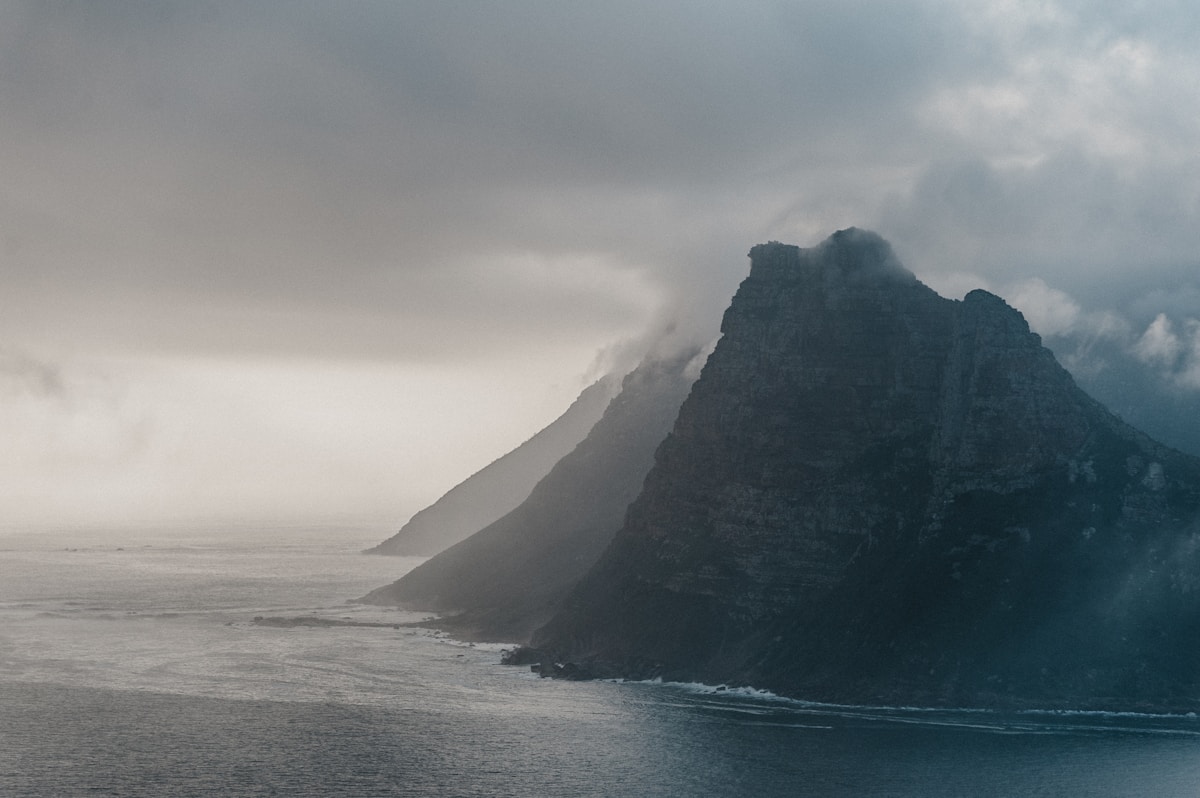
The Cape Peninsula stretches 75 km south from Cape Town before meeting the sea at Cape Point, and the full circuit - along the Atlantic coast one way and the False Bay coast back - packs more scenery into a single day than most destinations manage in a week. Hout Bay fishing harbour, the vertical cliff road of Chapman’s Peak, the African penguins at Boulders Beach, and the fishing village atmosphere of Kalk Bay are all within reach of a 150 km loop that leaves and returns to Cape Town.
This guide covers every stop on the route with entry fees, opening hours, time needed, named restaurant recommendations, and options for guided tours if you prefer not to drive yourself.
Route Overview
| Total driving distance | ~150 km round trip from Cape Town CBD |
| Total drive time (no stops) | ~2.5 hours |
| Full day (recommended) | 9–10 hours including all stops |
| Chapman’s Peak toll | R60 per car (return) |
| Cape Point entry (international) | R353 per adult |
| Boulders Beach entry (international) | R220 per adult |
| Depart by | 08:00 |
| Return by | 17:30–18:00 |
The standard route runs clockwise: south along the Atlantic coast through Hout Bay and Chapman’s Peak, around to Cape Point, then north along the False Bay coast through Simon’s Town and Boulders Beach to Kalk Bay before returning to the city.
Stop 1: Hout Bay Harbour
Distance from Cape Town CBD: 21 km (~30 minutes)
Time needed: 30–45 minutes
Hout Bay is the first major stop heading south - a working fishing harbour backed by dramatic mountains. The harbour itself is functional rather than pretty, but Chapman’s Peak towers above it to the south, giving early context for what’s ahead. The main reason to stop here is the market stalls along the harbour front (fresh linefish sold by the kilo), and the option to take a short boat trip to Duiker Island to see Cape fur seals (approximately R150 per person, departs from the harbour - multiple operators run these daily from 09:00). The crossing takes 10 minutes each way.
Practical note: the harbour area has a reputation for opportunistic theft. Keep bags close and don’t leave valuables visible in your car.
Stop 2: Chapman’s Peak Drive
Distance from Hout Bay: 3 km to the toll gate
Entry fee: R60 per car (return), R30 one-way (cash or card)
Time needed: 30–45 minutes including pull-out stops
Road: Tarred, no 4x4 required
Chapman’s Peak Drive is a 9 km stretch of road cut into near-vertical cliff faces above the Atlantic - one of the most dramatic coastal roads in South Africa and regularly cited among the most scenic in the world. The road was carved from the mountainside between 1915 and 1922 using manual labour and blasting; it bypassed a previously impassable section of the peninsula route. There are numerous lay-bys along the route - all worth stopping at, though the views north back toward Hout Bay and Sentinel Peak are the most dramatic.
Road closures: Chapman’s Peak Drive closes during severe storms or after heavy rain due to rock fall risk. Check the Chapmans Peak Drive Facebook page before setting out. Closures are usually short-term - the route opens quickly once conditions improve.
Driving direction: The toll is identical in both directions. Driving south-to-north (returning from Cape Point) gives better views of Hout Bay on the approach; driving north-to-south (as in this guide) gives better views of the Atlantic and Noordhoek Beach below.
Stop 3: Cape of Good Hope Nature Reserve and Cape Point
Distance from Chapman’s Peak southern toll: ~40 km (~50 minutes)
Entry fee: R353 per adult, R176 per child (2–11) as of 2026 - international rate, Table Mountain National Park
Opening hours: 07:00–17:00 (April–September), 06:00–18:00 (October–March)
Time needed: 2–2.5 hours for both Cape Point and Cape of Good Hope combined
The Cape of Good Hope Nature Reserve occupies the final 40 km of the peninsula and contains the two headline stops: Cape Point itself and the Cape of Good Hope sign.
Cape Point
The headland at the tip of the peninsula rises steeply to a lighthouse 249 metres above sea level. Paths lead from the car park to the viewpoints in about 15–20 minutes on foot - the climb is steep but manageable. The Flying Dutchman funicular runs the same route for those who prefer not to walk (approximately R110 return as of 2026; check at the gate for exact current pricing). From the top, on clear days, you can see Cape Agulhas - the actual southernmost tip of Africa - 200 km to the east, and occasionally whales from the cliff edge in July–November.
The old lighthouse at the top (1860, decommissioned 1919) and the new lighthouse below it (still active) are both accessible. The views south and west from the top across the Southern Ocean are the best on the entire peninsula.
Cape of Good Hope
A 2 km drive or 15-minute walk from Cape Point. The famous Cape of Good Hope sign - the “southwestern tip of Africa” marker - draws queues for photographs, particularly in December–January. The sign itself is modest; the cliff scenery behind it is not. Allow 20 minutes here.
Wildlife in the Reserve
The reserve has free-ranging Cape mountain zebra, eland, bontebok, and baboons. The baboon troops near the picnic areas and at the Cape of Good Hope sign are habituated to humans and will approach vehicles and open bags. Keep windows closed and food out of sight. Do not feed them - fines apply and the animals are dangerous when food-aggressive.
Stop 4: Boulders Beach and the African Penguin Colony
Distance from Cape Point: 20 km (~25 minutes) north on the M65 through Simon’s Town
Entry fee: R220 per adult, R110 per child (2–11) as of 2026 (SANParks rate - international)
Opening hours: 07:00–19:00 (October–March), 08:00–17:00 (April–September)
Time needed: 45–75 minutes
Boulders Beach shelters one of the most accessible African penguin colonies in South Africa. Roughly 2,000 penguins share this sheltered cove and the adjacent Foxy Beach - the boulders from which the beach takes its name provide shelter from the wind and give the colony its unusually calm setting.
The penguins can be viewed from boardwalks above the beach (no entry to the beach itself), at close range - penguins often stand directly at eye level a metre below the boardwalk. African penguins (also called jackass penguins for the braying sound they make) are endangered; this colony is one of the healthier populations on the Cape Peninsula.
Timing: The penguins are most active in the early morning (before 10:00) when they’re returning from feeding. Midday sees them sheltering in burrows from the heat. The beach itself (separate from the penguin viewing area) is sometimes swimmable in summer - the water is warmer on the False Bay side than the Atlantic coast.
Stop 5: Simon’s Town
Distance from Boulders Beach: 2 km north
Time needed: 30–45 minutes browsing
Simon’s Town is the base for the South African Navy and has been a naval harbour since the British took it in 1806. The main street - St. George’s Street - runs along the waterfront for about a kilometre with Victorian and Edwardian buildings housing restaurants, antique shops, and galleries. The Simon’s Town Museum (R35 per adult) covers the town’s naval history and the story of Able Seacat Simon, a ship’s cat who served on HMS Amethyst. The Jubilee Square waterfront area is the most active stretch.
Stop 6: Kalk Bay
Distance from Simon’s Town: 12 km north (~15 minutes)
Time needed: 45–60 minutes (longer if you stop for lunch or browse the antique dealers)
Kalk Bay is a working fishing harbour that has retained a bohemian character through decades of development pressure - galleries, secondhand bookshops, and antique dealers fill the old buildings along Main Road. The harbour itself is functional: fishing boats unload in the morning, and you can buy fresh snoek and yellowtail from the quayside vendors.
The cave bar - literally a bar inside a natural cave below the railway line at the southern end of town - is worth the stop if you’re passing mid-afternoon.
Lunch Recommendations
Both Kalk Bay and Simon’s Town have good restaurant options for a peninsula day trip lunch.
Kalk Bay
Harbour House - On the harbour, directly above the water. Seafood focused: grilled snoek, Mozambique prawns, seafood platters. Mains approximately R180–320 per person as of 2026. Reservations recommended on weekends.
The Brass Bell - Large venue on the rocks at the water’s edge, next to Kalk Bay station. Wide menu (seafood, burgers, pizzas), good for groups. Mains approximately R130–220 per person. Gets busy on sunny weekend afternoons.
Olympia Café - Slightly inland on Main Road. Counter-service café with a loyal following for baked goods and light meals. Queue worth tolerating. Expect to pay approximately R80–140 per person for a light lunch.
Simon’s Town
Quayside Café - At Jubilee Square, overlooking the water. Casual, good snoek rolls and seafood platters. Mains approximately R120–200 per person.
The Saveur - French-influenced bistro with more refined food than most peninsula stops. Mains approximately R200–350 per person.
Prices are approximate as of 2026 and vary by season.
Self-Drive vs Guided Tour
Self-Drive
A hire car gives complete flexibility - you can linger at Chapman’s Peak, spend longer at the penguins, or skip stops that don’t interest you. Hire a car in Cape Town from approximately R450–700 per day. The entire route is on tarred roads; no 4x4 is required at any point.
Practical tips:
- Leave by 08:00 to reach Cape Point before the main tour buses arrive (typically 10:30–12:00)
- Fill up with fuel before heading south - there’s a petrol station at the Constantia Nek intersection and one in Hout Bay. No reliable fuel stop between Hout Bay and Simon’s Town
- Carry cash for the Chapman’s Peak toll and small vendors - some sites have card machines but reliability varies
Guided Tours
Several operators run full-day peninsula tours from Cape Town that cover all the main stops. A guide handles navigation and provides commentary; the trade-off is a fixed schedule.
African Eagle Day Tours - Full-day peninsula circuit (Cape Point, Boulders Beach, Kalk Bay) departing Cape Town hotels from approximately 08:00. From approximately R950–1,200 per person as of 2026, including park entry fees and Chapman’s Peak toll.
Civvies Cape Town Tours - Smaller group tours (maximum 10 passengers) with more flexibility at each stop. From approximately R800–1,100 per person including fees.
GetYourGuide - Multiple operators list peninsula day tours, ranging from R650 (shared vehicle, excluding park fees) to R2,500 (private full-day). Filtering by group size and inclusions helps identify which operators include the SANParks entry fees, which represent R573 per adult in park fees alone. Book via GetYourGuide tours Cape Town.
Best Time of Year
November to April gives the longest daylight hours and the most consistently clear conditions on Chapman’s Peak Drive. This is Cape Town’s dry summer - humidity is low and visibility generally excellent.
July to November adds whale season: southern right whales come into False Bay to calve between June and December, and the Cape Point cliffs are one of the better land-based whale watching positions on the peninsula. August and September see the highest numbers. A clear day at Cape Point in August can produce whale sightings without any specialised equipment.
The peninsula day trip works year-round - unlike some South African destinations it has no strong off-season. Winter (May–August) tends to have fewer tourists and lower restaurant prices, but more frequent wind closures of Chapman’s Peak Drive.
Total Costs Summary
| Expense | Cost (as of 2026) |
|---|---|
| Chapman’s Peak toll | R60 per car (return) |
| Cape of Good Hope / Cape Point (adult, international) | R353 per adult |
| Boulders Beach (adult, international) | R220 per adult |
| Hout Bay seal boat trip (optional) | ~R150 per person |
| Flying Dutchman funicular at Cape Point (optional) | ~R110 per person |
| Lunch in Kalk Bay or Simon’s Town | R130–320 per person |
| Fuel (150 km, mid-range car) | ~R270–320 |
Budget approximately R1,000–1,300 per adult for a self-drive day including all entry fees, lunch, and fuel - or R650–1,200 per person for a guided tour that includes entry fees.
Next Steps
- Cape Town day trips overview - comparing the peninsula with winelands, Hermanus, and Robben Island
- Boulders Beach penguins guide - full detail on the African penguin colony at Simon’s Town
- Cape Point guide - detailed coverage of the Cape Point section and Cape of Good Hope
- Cape Town city guide - where to stay and what else to do in Cape Town
- 7-day Cape Town itinerary - how to fit the peninsula into a full Cape Town trip
- Western Cape region guide - broader coverage of the region