KwaZulu-Natal’s safari coast stretches north of Durban along two extraordinary wild areas that sit just 60 kilometres apart: Hluhluwe-iMfolozi Park and the iSimangaliso Wetland Park. Together they cover a coastal wilderness that reaches from the Drakensberg foothills to the Indian Ocean, and they are among the most ecologically significant protected areas in Africa. Neither carries the name recognition of Kruger, but both deliver world-class wildlife experiences - often with far smaller crowds.
Hluhluwe-iMfolozi Park
The Case for Coming Here
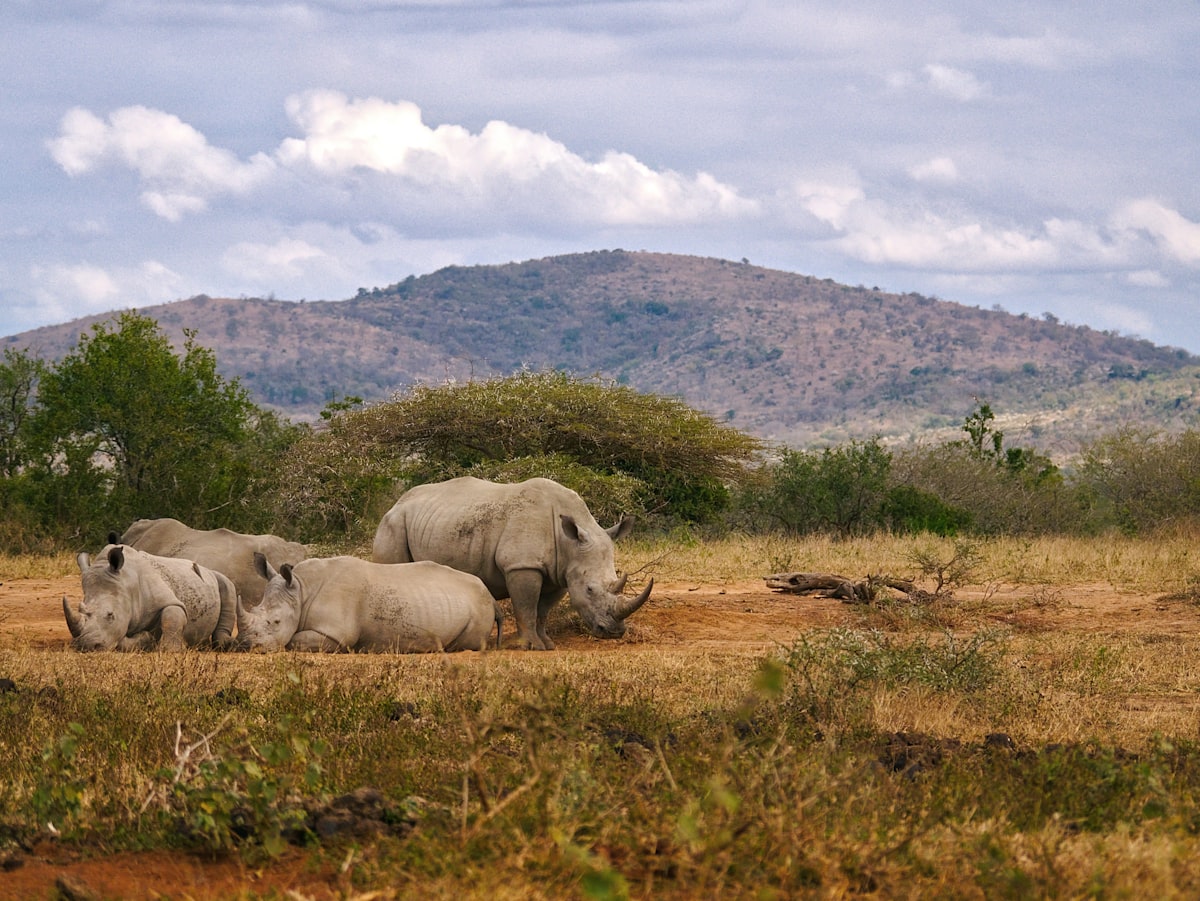
Hluhluwe-iMfolozi is Africa’s oldest proclaimed nature reserve, formally protected since 1895. It is also the place that saved the southern white rhino from extinction. In the 1960s, fewer than 100 white rhino survived across the continent - almost all of them were here. The park now holds several thousand and has exported animals to reserves across Africa and internationally. Seeing a crash of white rhino grazing at dusk in Hluhluwe-iMfolozi is not a typical game-drive statistic - it is a conservation story playing out in real time.
Beyond rhino, the park has all five of the Big Five. Lion are resident and regularly sighted; elephant have been reintroduced and bred successfully; buffalo number in the thousands; and leopard are present, though more elusive as they always are. The landscape itself is varied - forested ridges in the north (the Hluhluwe section), flatter, more open acacia bush in the south (iMfolozi). Both reward slow driving.
Park Logistics
Getting there: The main entrance gate (Nyalazi Gate) is approximately 280 km north of Durban via the N2 - around 3 hours. A standard hire car handles the main roads; the southern iMfolozi section has more sand tracks where you’ll want to watch tyre clearance.
Entry fees (as of 2026): International visitors pay approximately R380 per adult and R190 per child per day in conservation fees. Fees are charged per gate entry and are paid in addition to camp accommodation.
Camps and accommodation: SANParks operates three rest camps inside the park:
- Hilltop Camp (Hluhluwe) - the main camp, well-equipped with chalets, a restaurant, and a pool. Hilltop has sunset views across the valley that are hard to match anywhere in the country. Chalets from approximately R1,300 per night for a two-bed chalet.
- Mpila Camp (iMfolozi) - smaller and more remote-feeling, with basic chalets and safari tents. From approximately R900 per night. Recommended for visitors who want a quieter experience.
- Centenary Centre (iMfolozi) - used primarily for educational groups; limited public availability.
Game drives in open vehicles depart from Hilltop Camp at dawn and dusk - book these through SANParks reservations. Self-drive is the default approach and works well if you can be on the road by 6am.
Malaria: Hluhluwe-iMfolozi is a malaria area, particularly from October to May when Anopheles mosquito activity peaks. Consult a travel health clinic before you go, start antimalarial medication as directed, and wear long sleeves from dusk onwards. Travel insurance covering medical evacuation is recommended for this region - the nearest major hospitals are in Durban or Richards Bay.
iSimangaliso Wetland Park
Africa’s Wetland Wonder
About 60 km east of Hluhluwe, iSimangaliso Wetland Park is a UNESCO World Heritage Site and one of the continent’s most diverse ecosystems. The park covers 328,000 hectares from the Mozambique border in the north to the St Lucia Estuary in the south - combining ocean, beach, coral reef, coastal forest, wetland, and grassland in a single protected area.
The town of St Lucia is the most accessible entry point. It sits at the southern mouth of Africa’s largest estuarine system, where hippos graze on the town lawns at night - a sight that surprises every first-time visitor. The estuary holds approximately 800 hippos and 1,200 Nile crocodiles.
What to Do
Boat cruises on the St Lucia Estuary - the essential first activity. Two-hour guided cruises depart from St Lucia Estuary pier at scheduled times throughout the day. You’ll see hippos at close range, crocodiles basking on banks, and a variety of water birds including African fish eagles and pink-backed pelicans. Prices from approximately R250 per adult as of 2026.
Whale watching (July–November): iSimangaliso’s coastline is a nursery area for humpback whales migrating north from Antarctic feeding grounds. The stretch of beach between St Lucia and Cape Vidal sees significant activity - spotting from the dunes is free and can be spectacular from late July to October.
Cape Vidal: About 32 km north of St Lucia, Cape Vidal offers pristine beach, snorkelling (in season), and some of KZN’s best shore fishing. Day-visitor facilities include picnic spots and clean ablutions. An SANParks entry fee applies.
Charter Subland and Sodwana Bay: North of Cape Vidal, Sodwana Bay is South Africa’s premier scuba diving destination. Coral reefs within an easy dinghy ride of the beach hold an extraordinary range of reef fish, rays, turtles, and seasonal whale shark sightings. A number of dive operators are based in Sodwana; dives start from approximately R500 per dive.
Game drives in iSimangaliso: The Eastern Shores section of the park (accessed from St Lucia) has game drives along vegetation-lined roads where elephant, reedbuck, zebra, and nyala are regularly seen. Leopard are present but rarely spotted.
Malaria: iSimangaliso is a malaria zone, on a similar risk profile to Hluhluwe-iMfolozi. Take the same precautions.
Combining Both Parks
Most visitors based in St Lucia or Hluhluwe can visit both in a single trip. A four-night base in the area works well:
- Day 1–2: Hluhluwe-iMfolozi - self-drive morning and afternoon, game drive at dusk from Hilltop Camp
- Day 3: St Lucia Estuary cruise + Cape Vidal afternoon
- Day 4: Early departure to Sodwana Bay for diving, or further exploration of iSimangaliso’s Eastern Shores
Alternatively, some visitors do a single-day trip from Durban to St Lucia (estuary cruise + Hluhluwe afternoon) - doable but long. Three nights or more gives you time to do both parks properly.
Guided Day Tours from Durban
For visitors without a car or who prefer a guided experience, several operators run full-day safaris from Durban directly into Hluhluwe-iMfolozi. Departure is typically 05:00–06:00, giving 3–4 hours of morning game drive, a midday break at Hilltop Camp, an afternoon drive, and return to Durban by evening.
Isibindi Africa / Rhino Ridge Safari Lodge is one of the most established operators. Full-day guided safaris from Durban cost approximately R2,500–R3,500 per person, including transport, park fees, and lunch. They also offer one-night lodge packages at Rhino Ridge from approximately R4,500–R6,500 per person sharing. Wild Eye Safari and Siyabona Africa run comparable day safaris at similar prices. All operators include the SANParks conservation fee (approximately R480 per adult per day for international visitors as of 2026) in the tour price — confirm when booking.
For independent bookings, browse Hluhluwe-iMfolozi safari tours on GetYourGuide.
Getting There Without a Car
Most visitors drive from Durban on the N2 - hire a car at King Shaka International Airport (DUR) for the most flexible approach. A small number of shuttle services run between Durban and St Lucia. Safari operators in St Lucia also offer transfers for booked guests.
Where to Stay
St Lucia: The town has accommodation ranging from backpacker hostels to guesthouses and self-catering units. A comfortable mid-range guesthouse runs from approximately R1,000–R1,800 per night for two people. Elephant Lake Hotel sits right on the lagoon and is a popular choice.
For a full breakdown of in-park SANParks camps, town guesthouses, and private lodges on the park boundary, see our Hluhluwe-iMfolozi accommodation guide.
Search hotels in Hluhluwe on Booking.com
In the parks: Hilltop Camp (Hluhluwe) and iSimangaliso’s own accommodation at Isibindi iSodwana or Thonga Beach Lodge (northern iSimangaliso) are high-end bush lodges with full board and activities included, from approximately R3,500 per person per night upwards. Book months in advance for peak season.
See Also
- Durban city guide - nearest major hub for flights and supplies
- KwaZulu-Natal region - what else to see in the province
- 5-day Kruger safari itinerary - compare the Kruger experience side-by-side
- South Africa safari cost guide - budget planning for your trip
- South Africa vs Kenya safari - Hluhluwe often beats the Masai Mara for rhino sightings
- Health and vaccinations guide - malaria prophylaxis for northern KZN is essential
A Note on Rhino and Conservation
Poaching pressure on KZN’s rhino population remains serious. We mention this not to alarm you, but because visiting these parks contributes directly to the economics of conservation - every entry fee and accommodation booking helps fund the anti-poaching operations that keep this population alive. If you go on a guided game drive and your ranger shares context on rhino protection, it is worth listening.