Cape Town Travel Guide: Table Mountain, Beaches & Beyond
Plan your Cape Town trip: Table Mountain cable car, V&A Waterfront, Bo-Kaap, beaches and wine country. Hotels, restaurants and transport covered.
Guides for Cape Town
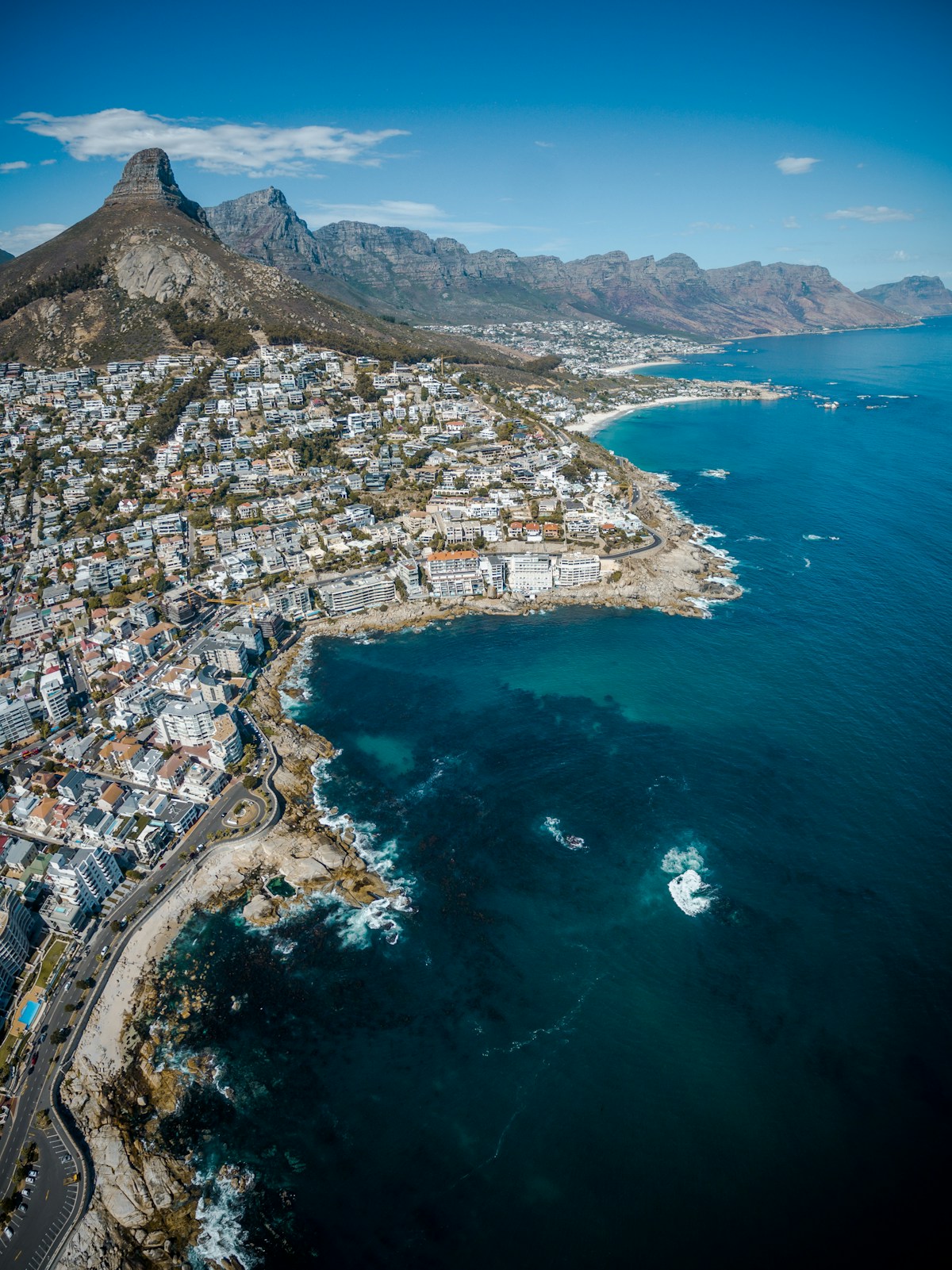
Cape Town sits at the foot of a flat-topped mountain, wedged between two oceans, with one of the world’s most photographed urban skylines. It is a city of dramatic contrasts — stunning natural beauty alongside visible inequality, world-class restaurants a short drive from township communities, and a colonial history that the city is still actively working through. For visitors, it offers more packed into a compact geography than almost anywhere in Africa.
Table Mountain
Table Mountain is the defining feature of Cape Town and most visitors make it their first priority. The cable car runs from the lower station on Tafelberg Road to the flat summit, with rotating cars that give 360-degree views on the way up. The cable car operates from approximately 8am to 6pm (last descent around 5:30pm) subject to wind and cloud conditions. Tickets cost approximately ZAR 390 for adults return as of 2026 — book online in advance during peak season (December–January) to avoid long queues.
The summit has walking trails, a café, and views that take in the city, Robben Island, the Cape Peninsula and, on clear days, the Hottentots Holland mountains to the east. Cloud (“the tablecloth”) descends quickly and the cable car closes on windy days, so check conditions the night before and have a backup plan.
For those who prefer to earn their summit, hiking routes include Platteklip Gorge (2–3 hours up, well-marked, steep) and the more challenging India Venster trail. We recommend early morning starts to avoid afternoon cloud and heat.
V&A Waterfront
The Victoria & Alfred Waterfront is Cape Town’s main commercial hub for tourists — a working harbour redeveloped into a large open-air shopping, dining and entertainment complex. The Two Oceans Aquarium (open daily, approximately ZAR 240 for adults as of 2026), the Cape Wheel observation ride, boat trips to Robben Island, and dozens of restaurants and shops are all here.
The Waterfront is safe, well-managed and busy — there is always something going on. It is also the departure point for the Robben Island ferry (approximately ZAR 550 as of 2026 including the island tour, book well in advance). The ferry crossing takes about 30 minutes each way.
Bo-Kaap
The Bo-Kaap is Cape Town’s most photographed neighbourhood — a hillside of brightly painted Cape Malay houses above the city centre, home to a Muslim community that has lived here since the Cape’s colonial era. Walking the steep cobblestone streets around Wale Street and Rose Street is free, and the area has several Cape Malay restaurants. The Bo-Kaap Museum (entry approximately ZAR 50 as of 2026) gives context on the community’s history under apartheid.
This is still a residential neighbourhood. We’d encourage visitors to be respectful — photograph the streets and architecture rather than people without their permission, and patronise local restaurants rather than treating the area purely as a backdrop.
Kirstenbosch Botanical Gardens
Kirstenbosch sits on the eastern slopes of Table Mountain and is one of the finest botanical gardens in the world, showcasing South Africa’s extraordinary plant diversity. Entry costs approximately ZAR 280 for adults as of 2026. Opening hours run from 8am to 7pm in summer (October–February) and 8am to 6pm in winter. The garden is large enough to spend a half day in, and the Sunday summer concerts (November–April) make for a memorable picnic evening.
Cape Peninsula
The Cape Peninsula deserves a full day — driving or joining a guided tour from Cape Town through Hout Bay, around Chapman’s Peak Drive, to the Cape of Good Hope reserve (entry approximately ZAR 350 for international visitors as of 2026, within Table Mountain National Park), Cape Point lighthouse, and back via Boulders Beach and its colony of African penguins. The penguin colony entry is approximately ZAR 220 as of 2026.
We have a dedicated Cape Peninsula day trip guide covering logistics in detail.
Cape Winelands
The Winelands — Stellenbosch, Franschhoek and Paarl — are under an hour from Cape Town and easily done as a day trip. The Franschhoek Wine Tram is a popular way to hop between estates without driving. Stellenbosch has the best concentration of restaurants and a walkable town centre. Read our Winelands wine tasting guide for estate recommendations and booking tips.
Beaches
Cape Town’s beaches span two distinct coastlines. The Atlantic seaboard — Clifton (four beaches, cold water, sheltered from the south-easter), Camps Bay (wide sandy beach, restaurants on the strip) and Llandudno (wilder, no facilities) — is scenic but cold, with water temperatures rarely above 14°C. The False Bay side — Muizenberg (warmer water, good for beginner surfing), St James (tidal pool) and Fish Hoek — is warmer and favoured by locals.
Shark Cage Diving
Shark cage diving near Gansbaai is a popular day trip from Cape Town (about 2.5 hours drive). Note: orca predation since 2017 has significantly reduced great white shark activity in the area. Sightings are possible but not guaranteed — operators are honest about the current situation and can arrange alternatives. Factor this in to your expectations.
Whale Watching
Southern right whales visit Walker Bay between June and December, with Hermanus being the main whale-watching base. Our Hermanus whale watching guide covers the best viewpoints and boat trip operators.
Where to Stay in Cape Town
Budget (ZAR 300–700/night)
- Once In Cape Town: centrally located, clean, good value
- Never@Home: social backpacker atmosphere in De Waterkant
Mid-range (ZAR 1,000–2,500/night)
- Protea Hotel Fire & Ice (ZAR 1,000–1,800): a reliable Marriott Bonvoy property near De Waterkant, good facilities and location
- Cloud 9 Boutique Hotel (ZAR 1,200–2,000): stylish boutique hotel in the City Bowl with rooftop pool
- Cape Heritage Hotel: De Waterkant heritage building, 17 rooms, atmospheric
Luxury (ZAR 4,000+/night)
- One&Only Cape Town (from ZAR 5,000): V&A Waterfront location, two restaurants, spa
- Cape Grace (from ZAR 4,500): elegant Waterfront property with a loyal following
- Ellerman House (from ZAR 8,000): Bantry Bay boutique hotel with fine art collection and panoramic Atlantic views
For a full breakdown by neighbourhood — Sea Point, City Bowl, Camps Bay and De Waterkant — see our Cape Town hotels guide.
Eating Out
Cape Town’s restaurant scene is genuinely world-class. A few worth planning around:
- La Colombe (Constantia): consistently ranked among Africa’s best, set in a wine estate, tasting menus from approximately ZAR 1,500 per person
- The Test Kitchen (Woodstock): Luke Dale-Roberts’s flagship, inventive tasting menus, long waiting list
- Old Biscuit Mill / Neighbourgoods Market (Woodstock, Saturdays 9am–3pm): the best street food market in the city — arrive early
- Mzansi (Bo-Kaap): Cape Malay cooking, relaxed, accessible
- Chefs Warehouse at Beau Constantia (Constantia): shared plates format, stunning views
Food spending: expect ZAR 200–400 per person at mid-range restaurants; ZAR 600–1,500 at fine dining.
Getting Around Cape Town
MyCiti Bus: Cape Town’s public BRT bus network covers the City Bowl, Sea Point, Green Point and the Waterfront. Single trips cost approximately ZAR 15–30 as of 2026 (tap-and-go myconnect card required, sold at major stops). Reliable for getting between the Waterfront and City Bowl.
Uber: The most practical option for most tourists — covers all areas, reliable, and significantly cheaper than traditional metered taxis. Expect ZAR 100–200 for most in-city trips.
Airport transfers: OR Tambo is in Johannesburg — Cape Town’s own airport is Cape Town International. Uber from the airport to the City Bowl or Waterfront runs approximately ZAR 300–350 as of 2026. Shuttle services run approximately ZAR 150–200 per person shared.
Hire car: Recommended for Cape Peninsula and Winelands day trips. Collecting from the airport is easiest. Expect from approximately ZAR 400–600/day for a small automatic.
Day Trips from Cape Town
- Cape Peninsula: Table Mountain NP, Cape Point, Boulders Beach penguins — full day (see our guide)
- Stellenbosch & Franschhoek: Winelands — full day or overnight
- Hermanus: whale watching (June–December) — 2 hours each way
- Gansbaai: shark cage diving — 2.5 hours each way
Cape Town is a genuinely exceptional city to visit. It rewards slow, curious travel — give it at least four days rather than rushing through the highlights.
Frequently Asked Questions
- How many days do you need in Cape Town?
- Allow at least 4–5 days to cover the main sights: one day for Table Mountain and the City Bowl, one day for the Cape Peninsula, one for the Winelands, and time for beaches and the V&A Waterfront.
- Is Cape Town safe for tourists?
- Cape Town is generally safe in tourist areas — the V&A Waterfront, Camps Bay, Sea Point and the Table Mountain area see heavy foot traffic and good security. Avoid the Central Business District at night and be aware of your surroundings in unfamiliar areas. Use Uber rather than unmarked taxis.
- What is the best time to visit Cape Town?
- October to April is the summer season — warm, dry and ideal for beaches and outdoor activities. December and January are peak season with higher prices. The shoulder months of March–April and September–October offer good weather with fewer crowds.
- Do I need a car in Cape Town?
- Uber covers most tourist areas and is reliable and affordable. For day trips to Cape Point, Boulders Beach or the Winelands, a hire car gives you flexibility — expect from approximately ZAR 400–600 per day as of 2026.
Upcoming Events in Cape Town
- National Arts Festival — Makhanda 2026
South Africa's premier arts festival — 11 days of theatre, dance, visual art, music, and film in Makhanda (Grahamstown) in the Eastern Cape. Over 200 productions.
- Knysna Oyster Festival 2026
Ten days of food, sport, and entertainment on the Garden Route. The oyster-tasting events, cycling races, and trail runs draw visitors from across South Africa.
- Cape Town Marathon 2026
cape town
An IAAF Gold Label road race through Cape Town — along the Atlantic Seaboard and through the city bowl, with Table Mountain as the backdrop. Includes a half marathon and 10 km.
Heritage Day (Braai Day) 2026
South Africa's national holiday celebrating cultural heritage — widely observed as National Braai Day. Parks, beaches, and gardens across the country fill with families lighting fires.
Book an experience
Top experiences in Cape Town
Explore the best tours and activities in Cape Town — instant confirmation, free cancellation on most bookings.