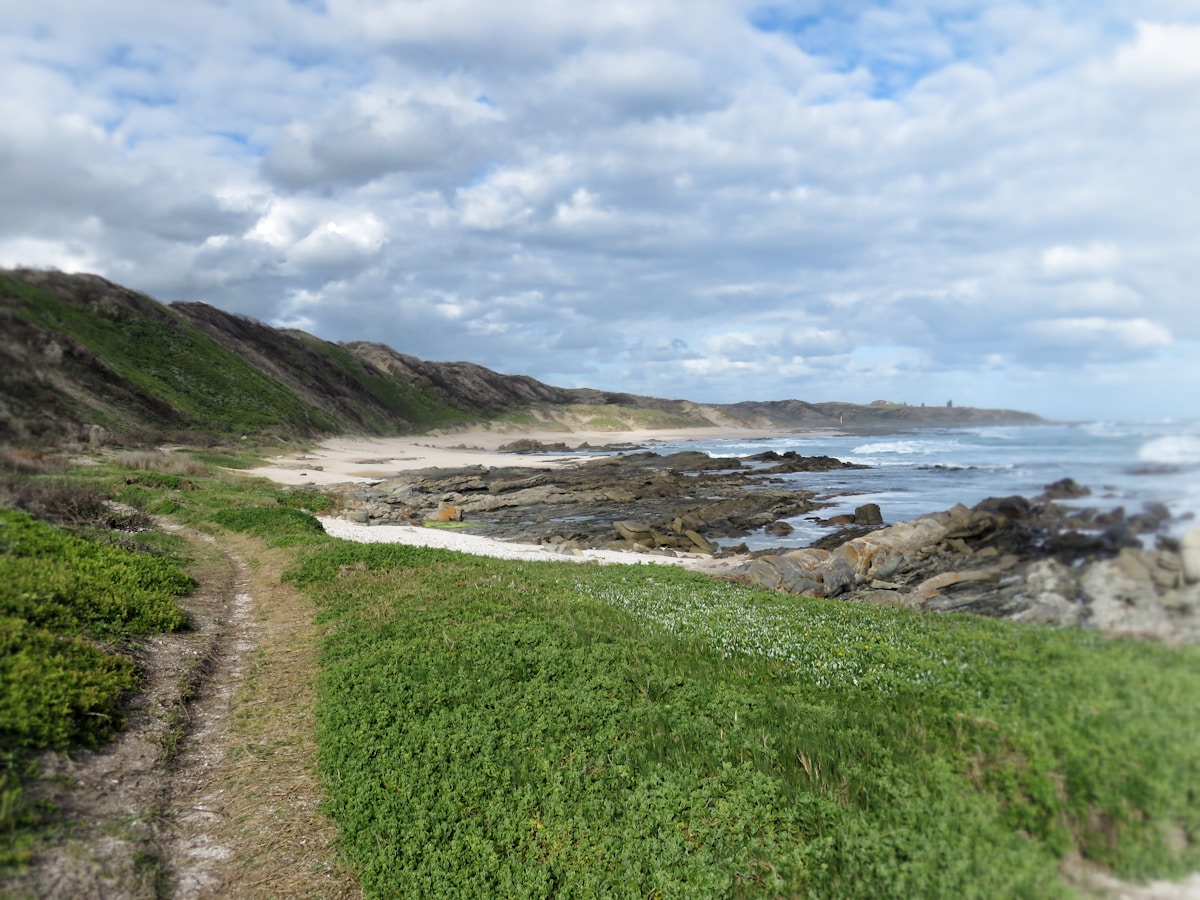
Hermanus is internationally recognised as one of the best places in the world to watch whales from land. Southern right whales - heavy-bodied, slow-moving, curiosity-prone - gather in Walker Bay every year between June and December to calve and nurse their young, and they do so within metres of the cliff edge.
Hermanus is in the Western Cape province, 90 minutes east of Cape Town. Most visitors do it as a day trip from Cape Town, but it’s also a natural stop if you’re driving toward the Garden Route. For the best time to visit generally, see when to visit South Africa.
Season and Timing at a Glance
| Month | Whale numbers | Notes |
|---|---|---|
| June | Building | Fewer whales early in month; less crowded |
| July | Good | Main season established; cool (14–16°C) |
| August | Peak | Most whales; peak numbers through the month |
| September | Peak | Calves more active; still excellent numbers |
| October | Declining | Whale Festival (2–4 October 2026) brings crowds early in month; numbers declining mid-month |
| November | Low | Stragglers; dolphins increasing |
| December | Rare | Season effectively over |
The town’s 12 km Cliff Path runs directly above the bay. Walk it on a good morning in September and you’ll see whales in every direction - calves breaching, cows rolling with their flippers in the air, males spy-hopping beside the kelp beds. They’re reliably close. You don’t need binoculars, though they help.
When to Visit
June: Whales begin arriving. Numbers are low early in the month but increase as June progresses. Fewer crowds, cooler weather.
July: Good numbers established in the bay. Water temperature is lowest (14–16°C); whale coats look patchy as they gain their calves.
August: Peak season. The greatest concentration of whales. The annual Hermanus Whale Festival (2–4 October in 2026) draws crowds to the town in early October.
September: Equally good as August. More calves visible - they grow rapidly and become more active. Festival weekend brings the largest tourist numbers.
October: Still excellent. Whales present until mid-to-late November but numbers start declining.
November–December: Stragglers remain but the main population begins moving on. Dolphin activity (common, bottlenose, and dusky dolphins) increases as whales depart.
The Cliff Path
The Hermanus Cliff Path is a free, 12 km walking route along the sandstone cliffs above Walker Bay. It passes several designated viewing platforms with explanatory information about whale behaviour. Start at either the Old Harbour (in the town centre) or at Grotto Beach (eastern end).
You don’t need to walk the whole path - even 2–3 km from the Old Harbour gives you multiple good vantage points. The path is easy walking on well-maintained gravel.
Best viewing spots:
- The Old Harbour (easiest access, often the most crowded)
- Die Plaat (middle section, less busy, good height)
- Gearing’s Point (western end, elevated)
The Hermanus Whale Crier
Hermanus employs the world’s only official Whale Crier - a person who walks the town blowing a kelp horn to alert visitors when whales are particularly active. When you hear the horn, follow it to the nearest cliff path access point.
Boat-Based Whale Watching
Boat trips offer a different perspective - you’re at sea level alongside the animals rather than looking down from a cliff. Southern Dream Charters and Hermanus Whale Watchers operate half-day trips from the New Harbour. Cost: R1,200–1,500 per adult including boat fees.
The regulations stipulate boats must stay 300 m from whales unless the whale approaches the boat (which they often do - southern rights are notably inquisitive and will approach voluntarily). The experience of a 50-tonne animal rolling on its side to look up at your boat is remarkable.
Book ahead in August and September - trips fill up weeks in advance on peak weekends.
Hermanus Town
Hermanus is more than its whales. The town has a good selection of restaurants (particularly on Market Square and along the harbour), a pleasant old market, and some quality art galleries. The De Kelders Caves section of the Walker Bay Nature Reserve (30 minutes west) has cave hiking and further whale watching from a different angle.
Accommodation in Hermanus
| Property | Category | Rate from | Notes |
|---|---|---|---|
| Birkenhead House | Luxury | R6,000 | 11 rooms; cliffside pool; ocean views |
| The Marine Hermanus | Mid-range | R2,500 | Directly on the cliff path; whale-view terrace |
| Schulphoek Seafront | Mid-range | R2,200 | Small guesthouse; excellent reviews |
| Windsor Hotel | Budget-mid | R1,200 | Dated but central; whale-view rooms available |
| Hermanus Backpackers | Budget | R350 dorm / R900 private | Close to Cliff Path |
Hermanus fills up during the Whale Festival weekend (early October) and peak August weekends. Book 4–6 weeks ahead for these dates.
Staying overnight means you can be on the cliff path at first light — when whales are often most active and crowds are minimal. See the full where to stay in Hermanus guide for ranked options across all budgets.
Search hotels in Hermanus on Booking.com
Top Hermanus Whale Watching Tours & Prices
| Tour | Duration | Price from | What’s Included |
|---|---|---|---|
| Hermanus Boat-Based Whale Watching | 1.5–2 hrs | from R1,320 per person | Licensed catamaran, certified whale specialist guide, life jackets, binoculars |
| Hermanus Whale & Dolphin Boat Trip + Penguin Colony | 3 hrs | from R1,650 per person | Boat whale watching, Stony Point penguin colony walk, refreshments onboard |
| Cape Town: Hermanus Whale Watching Day Tour | 9–10 hrs | from R950 per person | Hotel pickup, return coach, shared boat whale watching trip, Walker Bay walk |
| Cape Town: Hermanus + Winelands Combined Day | 9.5 hrs | from R1,600 per person | Whale watching in Hermanus + 2 Winelands estate tastings, hotel pickup |
Seasonality note: All boat trips are weather and sea-state dependent. Operators offer rebooking or full refunds when conditions prevent departure. Peak season for Southern Right Whales is July–October; boat trips still run through November–December for Humpbacks and Bryde’s whales.
Browse Hermanus whale watching tours on GetYourGuide
Getting There
Hermanus is 120 km east of Cape Town on the N2 and R43 - roughly 90 minutes’ drive. There’s no public transport from Cape Town to Hermanus.
Options:
- Hire a car from Cape Town (most flexible - stop at the Overberg coast along the way)
- Organised day tour from Cape Town (available via GetYourGuide, typically R700–1,200 per person including transport)
- En route on the way to the Garden Route - Hermanus is a natural overnight stop before continuing east
See getting around South Africa for car hire costs and budget guide for activity cost context.
See Also
- Cape Town city guide - the main base for a Hermanus day trip
- Western Cape region guide - whale watching in the broader Overberg context
- Best time to visit South Africa - whale season timing in the wider seasonal calendar
- Garden Route driving guide - Hermanus is a natural first overnight stop heading east from Cape Town
- Shark cage diving near Gansbaai - another Overberg day trip from Cape Town, 30 minutes west of Hermanus