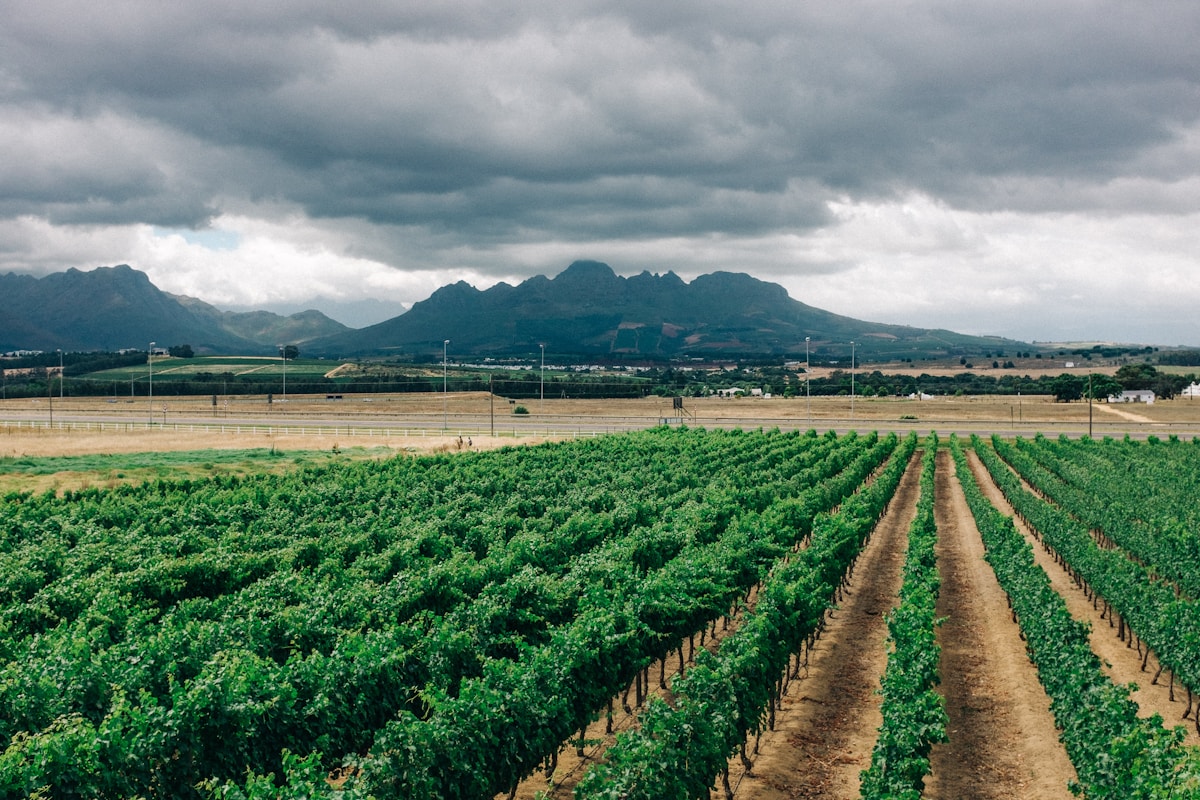
The Cape Winelands sit in a series of mountain valleys 45–90 minutes east of Cape Town, and they’re one of the best wine tourism regions in the world - excellent wine, spectacular scenery, and prices that compare well with European equivalents.
Three towns anchor most visits: Stellenbosch, Franschhoek, and Paarl. Each has a different character and both work as day trips or short stays. For the full activity-focused breakdown of estates and tasting experiences, see the winelands wine tasting guide. The Winelands are covered in the Western Cape region guide.
Winelands at a Glance
| Town | Drive from Cape Town | Character | Best for |
|---|---|---|---|
| Stellenbosch | 45 min | Historic oak-lined university town; most estates | Wine diversity; food; first-time visitors |
| Franschhoek | 75 min | French Huguenot heritage; tightest restaurant cluster | Best dining in the Winelands |
| Paarl | 60 min | Larger, less polished; good estates | Fewer crowds; serious wine buyers |
| Robertson Valley | 2 hours | Inland valley; Muscadel and Shiraz country | Off-track wine exploration |
Stellenbosch
Stellenbosch is the wine capital. It’s a university town with a well-preserved Cape Dutch oak-lined main street (Dorp Street), dozens of restaurants, and over 150 wine estates within the immediate valley.
Getting there: 45 minutes from Cape Town on the N1 or N2. Uber from Cape Town costs around R250–350 (one way). There’s also a wine train from Cape Town (the Franschhoek Wine Tram picks up in Stellenbosch).
What to do: Walk the town centre - the Braak (the old village green), the Stellenbosch Museum, and Dorp Street lined with historic Cape Dutch buildings and restaurants. Then visit estates.
Wine estates near Stellenbosch:
- Spier - Large, accessible, family-friendly. Eagles Encounters on site (falconry display). Tasting from R150.
- Delaire Graff - Premium, with an art gallery, luxury lodge, and one of the best Chenin Blancs in the Cape. Tasting R350.
- Rust en Vrede - Known for Cabernet Sauvignon and Shiraz blends. Serious, acclaimed red wine estate.
- Jordan - Consistently top-rated, good Chardonnay, excellent restaurant.
Search hotels in Cape Town on Booking.com
Eating in Stellenbosch: Overture (fine dining, long-standing), Terroir at Kleine Zalze (bistro with exceptional wine list), Jardín at Jordan (estate restaurant with mountain views), and a range of cafes and bistros on Church Street.
Franschhoek
Smaller and more curated than Stellenbosch. Franschhoek means “French Corner” - Huguenot refugees settled here in the late 1600s and the French names stick (La Motte, Mont Rochelle, Haute Cabrière). The single main street (Huguenot Road) has some of the best restaurants in South Africa.
Getting there: 75 minutes from Cape Town via Stellenbosch on the R310.
The Franschhoek Wine Tram is a hop-on hop-off tram and bus network connecting about 20 estates in the valley. Tickets R190–270 per person. Runs daily 09:30–17:00. Book at the tram stop on the main street.
Wine estates near Franschhoek:
- Haute Cabrière - Famous for its Pierre Jourdan Cap Classique sparkling wines. Cave cellar carved into the mountain. R225 for tasting.
- La Motte - Historic estate, excellent Shiraz, art collection, deli.
- Boekenhoutskloof - Acclaimed for Syrah and their “The Chocolate Block” blend. Visit by appointment.
- Mont Rochelle - Owned by Richard Branson, now a hotel. Tasting R200.
Eating in Franschhoek: The main street competes with the country’s best. Babel at Babylonstoren (organic farm, 40-minute drive from Franschhoek), The Tasting Room at Le Quartier Français (two-decade legacy, prix fixe), and Foliage for contemporary.
Paarl
Less visited than Stellenbosch or Franschhoek but worth a stop. The Afrikaans Language Monument is on a hill above town (entry R100). Babylonstoren is the most famous estate - a 300-year-old farm with an extraordinary garden, farm shop, and restaurant (book months ahead).
Practical Planning
Hire a driver if your group wants to drink properly rather than taste and spit. A private driver for the day costs R800–1,500 depending on hours and distance - split among 4 people that’s cheaper than four Ubers.
Tasting fees typically run R150–350 per person for 5–8 wines. Most estates now charge even if you buy a bottle. Budget R300–600 per person for tastings across a day.
Book ahead for any popular estate restaurant - the Cape Winelands dining scene is extremely popular with locals and Cape Town tourists alike.
Best season: Year-round, but spring (September–November) for wildflowers and autumn (February–April) for harvest, when you can watch grapes being picked and pressed.
Ready to plan your trip? Cape Winelands Tours, Car Hire in Cape Town, or Tours & Activities in Cape Town.
See Also
- Cape Town city guide - base city for all Winelands day trips
- Winelands wine tasting guide - estate-by-estate breakdown of tastings and prices
- Franschhoek Wine Tram - the hop-on hop-off way to explore Franschhoek without driving
- Day trips from Cape Town - all day excursions from Cape Town compared
- Stellenbosch destination guide - more detail on Stellenbosch as a destination
- Cape Winelands vs Stellenbosch: which to visit? - comparison guide for planning
- Stellenbosch vs Franschhoek - which wine town to prioritise