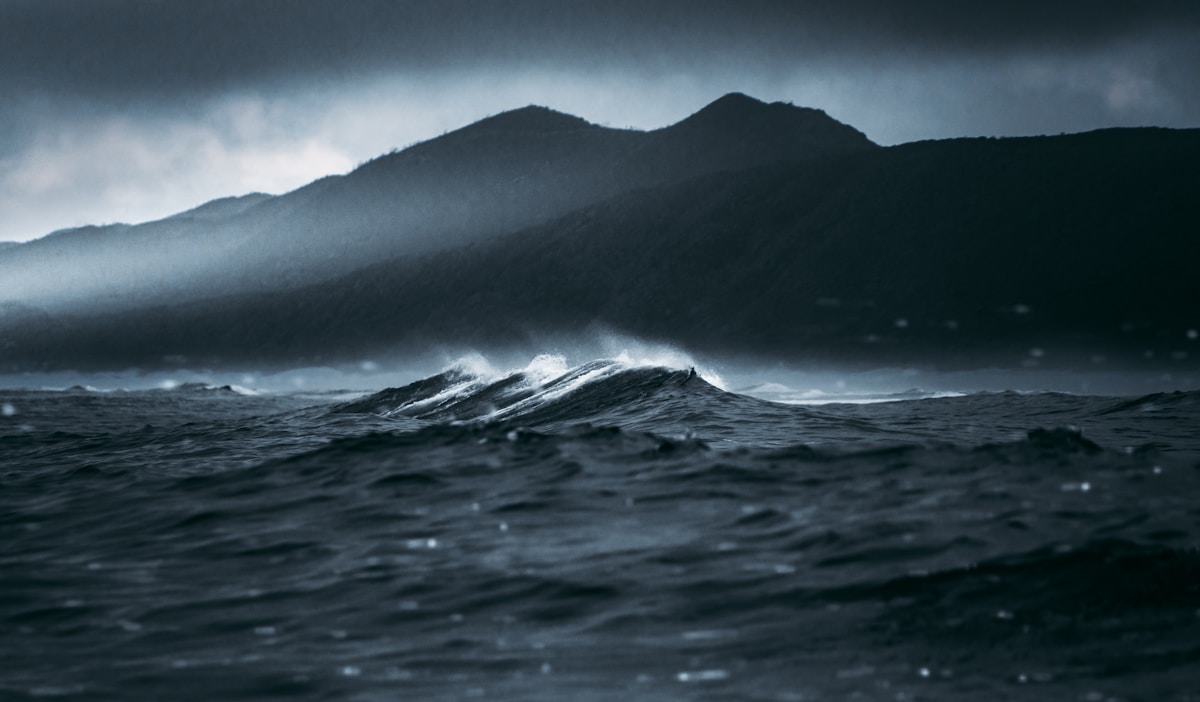
Knysna sits at the centre of the Garden Route, 500 km east of Cape Town on the N2. The town is built around a large sheltered lagoon, open to the Indian Ocean through a narrow channel framed by two sandstone headlands - the Heads - that form one of the most recognizable pieces of coastal scenery in South Africa.
It’s the Garden Route’s most visited town, and it earns the attention. The combination of the lagoon, the indigenous forests behind the town, the oyster culture, and the range of accommodation makes it the natural place to spend the most time on the Route.
This guide covers Knysna in detail. For the full Garden Route road trip from Mossel Bay to Storms River, see the Garden Route driving guide. For a breakdown of accommodation by budget and location, see our Knysna where to stay guide.
Getting There
From Cape Town: 500 km east on the N2. Drive time approximately 5–5.5 hours. Mossel Bay (70 km west of Knysna) and George (50 km west) are the stops before Knysna. GetRentacar compares car hire rates at Cape Town International and George Airport.
From George Airport: 50 km east, approximately 40 minutes. George is the main air hub on the Garden Route - FlySafair and Airlink connect it to Johannesburg and Cape Town. Pick up a hire car at George if flying directly.
From Plettenberg Bay: 35 km west, approximately 30 minutes on the N2.
The Knysna Heads
The Heads are Knysna’s defining feature. Two sandstone headlands flank the narrow channel where the lagoon meets the Indian Ocean. The channel is less than 60 m wide at its narrowest point and runs at 3 knots at tidal change - navigable only by vessels that know exactly what they’re doing.
Eastern Head viewpoint (free, always open): Drive to Leisure Island and follow the road to the cliff edge above the channel entrance. The view from the top is the classic photograph - the white-capped Indian Ocean on one side, the sheltered blue lagoon on the other, the channel cut through the rock between them. Allow 30–45 minutes for the walk from the parking area to the cliff edge.
Western Head - Featherbed Nature Reserve: The western headland is privately owned and accessible only by passenger ferry and guided foot walk. The tour (approximately ZAR 270–350 per person as of 2026, including the ferry) crosses the lagoon from the Waterfront Quays, lands on the reserve, and walks 4 km through fynbos to the cliff edge above the open ocean. The views from the western side looking back toward the town are different from the eastern viewpoint - more exposed, more dramatic, more alone. Allow 3.5–4 hours for the full tour. Book at the Featherbed Co. (featherbed.co.za).
The Knysna Lagoon
The lagoon covers approximately 18 km² and is one of the ecologically richest estuaries in South Africa. Oysters are farmed in its cold, nutrient-rich water. Sporadic sightings of southern right whales occur in the lagoon between July and November.
Oysters: Knysna oysters are farmed in the lagoon and are among the best in South Africa. Eat them:
- Knysna Quays (various restaurants on the waterfront) - casual settings, standard service, reliable quality
- Île de Païn (see below) - the best restaurant in Knysna; also serves exceptional oysters
- The Oyster Catcher (Old Cape Road) - unpretentious, good value, locals eat here
The Knysna Oyster Festival runs annually in early July - 10 days of oyster-related events, music, and promotions. A significant increase in town population over that period; accommodation is typically full weeks ahead.
Paddling and kayaking on the lagoon: Various operators offer kayak and stand-up paddleboard hire. Knysna Paddle Club and Waterways are both reliable. R200–350 for 2 hours. The lagoon is calm inside the Heads, making it accessible for beginners.
Knysna Quays and the Waterfront
The Knysna Quays is a small commercial waterfront development - restaurants, craft shops, tour operators - along the western edge of the town harbour. It’s the social centre of Knysna and the departure point for the Featherbed ferry. Food quality ranges from tourist-generic to genuinely good.
Café Mario - the reliable classic. Pizza, pasta, reliable coffee. Casual. No booking, long waits in peak season.
Tapas Bar - good oysters, good selection of local wines, pleasant terrace.
Paquita’s - upstairs, ocean-facing, consistently good fish and seafood. Booking recommended for dinner.
Île de Païn (closer to town, not at the Quays) - the best restaurant in Knysna and one of the better restaurants in the Western Cape. French-influenced, breakfast and lunch only, outstanding bread from the bakery. ZAR 200–400 for lunch. Book ahead.
Knysna Elephant Park
15 km east of Knysna on the N2, the Knysna Elephant Park is a sanctuary for a small herd of semi-domesticated elephants. This is not a wild encounter - the animals are accustomed to human presence - but it is ethically managed with the animals’ welfare as a priority.
What you do: Walk with elephants on foot through the forest with a guide. Touch, feed, and interact with animals at close range. No riding. The 90-minute interaction experience costs approximately ZAR 550 per adult (as of 2026). Book at the park gate or online.
Context: The Knysna elephants are a separate population from the Kruger herd. A relic wild population of forest elephants historically inhabited the Knysna forests - as of recent surveys, possibly 1–2 remain wild, making it functionally extinct as a breeding population. The park’s herd were rescues from various circumstances, not wild-caught.
Worth doing if you haven’t had a close elephant interaction elsewhere on your trip. Skip it if you’re doing Kruger or Addo - the wild encounter there is more significant.
The Knysna Forests
The indigenous forest behind Knysna is one of the largest temperate forest systems in South Africa. Part of the Garden Route National Park, the forest contains yellowwood trees over 800 years old and is home to the elusive Knysna loerie (a striking green-and-red bird) and the Knysna seahorse in the lagoon.
Hiking: The Outeniqua Hiking Trail (7 days, 108 km) passes through Knysna forest and is bookable through SANParks. Day walks are available from various trailheads - Gouna Forest, Millwood, and the Big Tree trail (a 700+ year old Outeniqua yellowwood accessible on a 10-minute walk from the roadside, free).
Mountain biking: Knysna has an excellent mountain bike trail network through the forest. The Knysna MTB trails are accessible from the town and popular with visiting cyclists.
Where to Stay in Knysna
| Property | Category | Rate from | Notes |
|---|---|---|---|
| Kanonkop House | Boutique luxury | ZAR 4,200 | 4 rooms on the Heads; best small hotel in Knysna |
| Phantom Forest Eco Reserve | Eco-luxury | ZAR 4,500 | Treehouses in indigenous forest above the lagoon |
| Pezula Resort Hotel & Spa | Luxury | ZAR 5,000 | Clifftop golf estate with ocean views |
| Protea Hotel Knysna Quays | Mid-range | ZAR 2,000 | On the waterfront; reliable and central |
| African Queen Guesthouse | Mid-range | ZAR 1,500 | B&B with lagoon views; personal service |
| Knysna Backpackers | Budget | ZAR 320 dorm | Town centre; social scene; good for solo travellers |
Search hotels in Knysna on Booking.com
Book 2–3 months ahead for July–August (Oyster Festival period and school holidays) and December–January.
Practical Notes
| Malaria | None - Knysna and the entire Garden Route are malaria-free |
| Swimming | Lagoon is swimmable and sheltered; Noetzie and Brenton-on-Sea beaches for ocean swimming |
| Best time | Year-round; July brings the Oyster Festival; December–January is busy and expensive |
| Fuel | Fill up in town; no stations for the first 20 km east toward Plettenberg Bay |
Browse tours and boat trips in Knysna - lagoon cruises, whale watching, and kayak tours with verified reviews.
Next
- Garden Route complete guide - full drive from Mossel Bay to Storms River
- Plettenberg Bay guide - 35 km east, next stop on the Garden Route
- Tsitsikamma National Park - 90 minutes east of Knysna, the dramatic forest and coast section
- Western Cape region guide - Knysna in the wider Western Cape context
- 7-day Garden Route itinerary - day-by-day plan through Knysna and beyond
- Garden Route adventure activities - bungee, zip lines, and kayaking accessible from Knysna