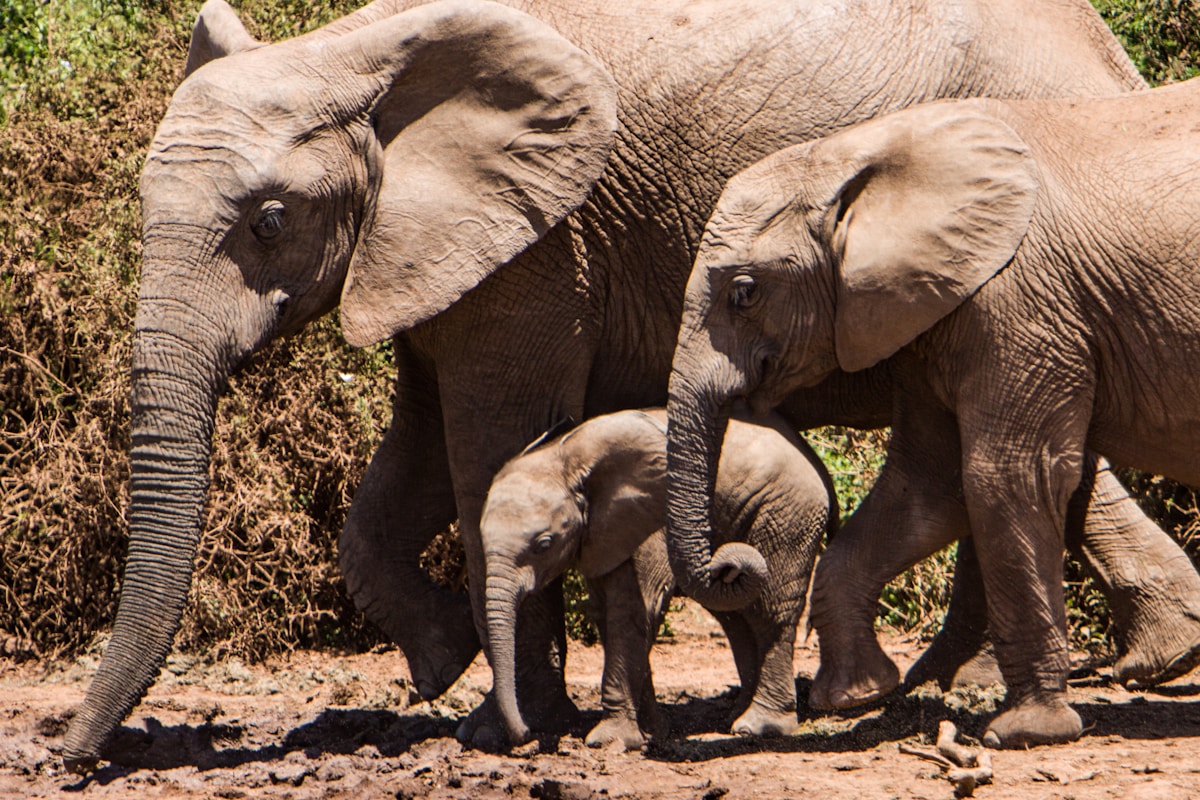
Addo Elephant National Park is South Africa’s third-largest national park and its most accessible serious safari: Big 5 game viewing 45 minutes from Gqeberha’s airport, completely malaria-free, and self-drivable in an ordinary hire car. For travellers ending a Garden Route trip, it answers the obvious question - how do we add a safari without flying to Kruger?
Why Addo
The park was proclaimed in 1931 to protect the Eastern Cape’s last 11 elephants. Today it holds more than 600, and no park in South Africa offers more reliable elephant sightings - herds of 50+ around the waterholes are routine in summer. Beyond elephant, the 1,640 km² park holds lion, buffalo, black rhino, spotted hyena, zebra, kudu, and - rarely seen - leopard. The coastal section, including Bird Island and St Croix Island (home of the world’s largest African penguin breeding colony), extends the count to the marketed “Big 7” with great white sharks and southern right whales.
Addo’s other claim: the flightless dung beetle, found almost nowhere else. Park signage gives them right of way - drive around the dung, not over it.
Malaria: none, ever. Combined with short driving distances, this makes Addo the standard recommendation for families with small children who want the Big 5 without prophylaxis. (Kruger and northern KZN parks carry year-round malaria risk.)
Entry Fees and Gate Times
- Daily conservation fee: approximately R492 per international adult, R246 per child, as of 2025/26 SANParks rates (effective November 2025–October 2026). Fees rise each November - verify at sanparks.org before travel.
- Main Camp gate: open approximately 06:30–18:30 in summer, 07:00–17:30 in winter; exact times shift seasonally and are posted on the SANParks Addo page.
- Booking: day visitors can usually pay at the gate, but the park caps daily vehicle numbers in peak season (mid-December to early January and Easter) - pre-book day passes on the SANParks site for those windows.
The underground hide at the Main Camp waterhole is floodlit at night and free for overnight guests - elephants drink metres away at eye level.
Self-Drive vs Guided
Self-drive is how most visitors do Addo, and it works well: the southern game area has tarred main roads and well-graded gravel loops, all fine for a compact car. Pick up the sightings map at reception, head for Hapoor Dam, Domkrag Dam, and the Gorah loop, and budget 4–6 hours for a meaningful circuit. Speed limit 40 km/h; stay in your vehicle except at marked spots.
Guided game drives run from Main Camp in open vehicles: 2-hour sunrise, midday, sunset, and night drives from approximately R460–560 per person as of 2026 (book at reception or via SANParks). The night drive is worth it - it’s the only legal way to be in the park after gates close, and the best shot at hyena, bat-eared fox, and porcupine. Hop-on guides (a ranger joins your own car, approximately R750 for two hours) are a good middle option for first-time safari drivers.
Private concession lodges (Gorah, RiverBend) include ranger-led drives in their rates and can off-road for sightings - the main game-viewing advantage of paying lodge prices.
Where to Stay
Inside the park (SANParks, book well ahead):
- Addo Main Camp - chalets from approximately R1,700 per unit, forest cabins from R1,250, camping from R400, as of 2025/26. Restaurant, shop, pool, and the floodlit waterhole hide.
- Nyathi Rest Camp - quieter, upscale SANParks camp in its own valley, units from approximately R2,900.
Search hotels in Addo on Booking.com
Private lodges:
- Luxury: Gorah Elephant Camp - colonial-era tented suites on a private concession inside the park, from approximately R10,000 per person per night all-inclusive as of 2026. RiverBend Lodge, also within the park, from approximately R7,500 per person all-inclusive.
- Mid-range: Hitgeheim Country Lodge (Sundays River valley views, from approximately R2,600 per night) or Africanos Country Estate in Addo village (from approximately R1,900).
- Budget: Avoca River Cabins (self-catering on the Sundays River, from approximately R950 per unit) or Orange Elephant Backpackers near the park gate (dorms from R300).
Getting There
- From Gqeberha: 72km, about 45–60 minutes. Take the N2 east, then the R335 north through Colchester or via Addo village to Main Camp gate. Flights into Gqeberha (PLZ) from Johannesburg or Cape Town cost approximately R1,000–2,500 one-way as of 2026.
- From the Garden Route: Storms River to Addo is roughly 230km, 2.5–3 hours via the N2 - an easy final-day drive on a 7-day Garden Route itinerary. Hire a car for the trip and drop it at Gqeberha airport afterwards; see the car rental guide for one-way fees.
- As a day trip: leave Gqeberha by 06:30, drive the southern loops until early afternoon, and you’re back in the city by 16:00. Doable, but one night at Main Camp - with the night waterhole - is far better.
How Long to Stay, and When
Two nights is the sweet spot: an afternoon arrival drive, a full self-drive day with a guided night drive, and a final dawn circuit. Game viewing is good year-round. Winter (June–September) concentrates animals at waterholes and brings mild days of 18–22°C; summer (December–February) reaches 35°C+ with bigger elephant gatherings at water but midday lulls. The citrus-blossom months of the Sundays River valley (August–September) are a pleasant bonus en route.
Addo doesn’t replace Kruger for predator density or sheer scale - see our Kruger guide for that comparison - but as a malaria-free Big 5 finish to an Eastern Cape or Garden Route trip, nothing else in South Africa comes close.
See Also
- Addo Elephant Park tours & safaris - browse guided safari tours with reviews and instant booking
- Eastern Cape region guide - Addo in the context of the full Eastern Cape
- Garden Route driving guide - the natural route from Cape Town to Addo
- 7-day Garden Route itinerary - day-by-day plan including an Addo extension
- Wild Coast and Coffee Bay - the other Eastern Cape drawcard for adventurous travellers
- South Africa vs Kenya safari comparison - Addo is often cited for families over Kenya
- Health and vaccinations - confirms Addo is malaria-free; useful planning context
- Kruger vs Addo - side-by-side comparison of distance, malaria, cost, and wildlife