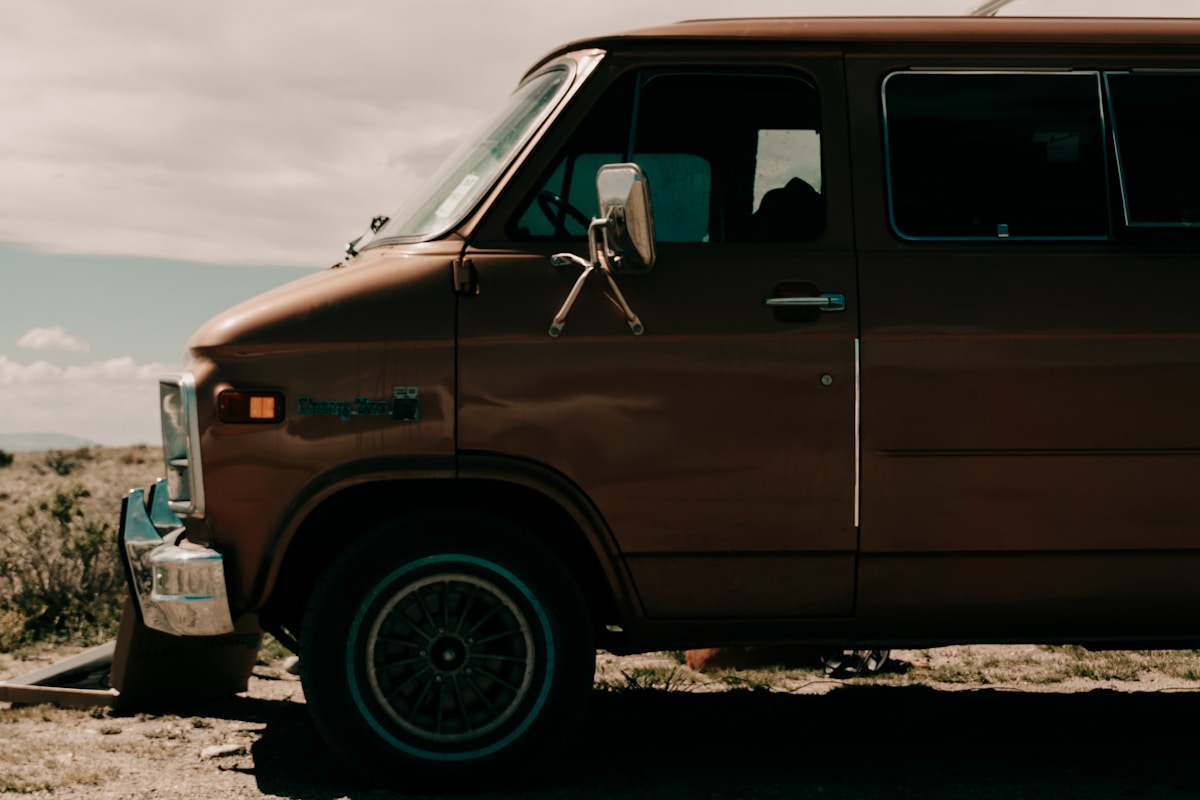
South Africa’s most ambitious self-drive: two weeks, 2,600km of varying terrain, and three of the country’s great landscapes — the Atlantic coastline, the Indian Ocean Garden Route, and the open bushveld of the Lowveld. This route connects Cape Town’s mountains and winelands with the Big Five of Kruger, threading through some of the most scenically varied country on the continent.
No guide tour can replicate the freedom of stopping when a whale breaches off Hermanus, lingering at a wine estate outside Knysna, or arriving at your first Kruger rest camp as the sun drops behind the acacia treeline.
The Route at a Glance
Cape Town → Hermanus → George → Knysna → Plettenberg Bay → Gqeberha (Port Elizabeth) → Johannesburg → Hazyview/Kruger
- Total distance (coastal route): approximately 2,600km
- Driving days: 8–9 days of driving, 14 days total with stops
- Fuel estimate: R4,500–R5,500 (2025 petrol prices, approximately R22/litre, ~8L/100km vehicle)
- Best season: May to September
Collect your car in Cape Town, drop it off in Johannesburg, Hoedspruit, or Nelspruit (Mbombela) — most major operators support one-way rentals for a surcharge of R1,500–R3,000.
Rental car options: Cape Town pick-up, Nelspruit drop-off, Hoedspruit drop-off. Compare rates across major companies and lock in your one-way rental price ahead of time.
Days 1–3: Cape Town
Allow at least two full days in Cape Town before you hit the road — rushing the city is a mistake.
Day 1 — Table Mountain in the morning (cable car opens around 8am; book tickets in advance). Afternoon in the V&A Waterfront. Dinner in the Bo-Kaap or at one of the restaurants along the harbour.
Day 2 — Cape Peninsula day: drive Chapman’s Peak, Cape Point, and Boulders Beach penguin colony. Full day out; return via Kalk Bay.
Day 3 — Stellenbosch or Franschhoek for wine tasting, then an early pack-up ready for the coastal drive east.
Where to stay: The Southern Sun Waterfront (~R1,800/night) and the Radisson Blu Hotel & Residence (~R2,200/night) are solid mid-range options in the Waterfront precinct. For something more boutique, the POD Boutique Hotel in Green Point offers contemporary Cape Town style from around R2,000/night.
Day 4: Cape Town to Hermanus (120km / 1.5 hours)
Leave Cape Town on the N2, taking the R43 at Bot River for the coastal approach. This is one of the world’s great urban-to-coast transitions — you round a headland and the Walker Bay spreads out below.
Hermanus is the southern hemisphere’s finest land-based whale watching destination. Between July and November, southern right whales gather just offshore to calve. The cliff path above the ocean gives views that no boat tour can match. In other months, the town is quieter but still pleasant — good seafood, a decent wine route (Hemel-en-Aarde Valley), and shark cage diving out of nearby Gansbaai.
Note on Gansbaai: Orca predation on great white sharks in the region has significantly reduced white shark activity since 2017. Cage diving operators still run, but guaranteed sightings are no longer realistic. Check current operator reports before booking.
Where to stay: The Windsor Hotel has been the Hermanus stalwart for decades — sea-facing rooms from around R1,800/night. Onrus Manor offers quieter, self-catering accommodation inland from about R1,400/night.
Day 5: Hermanus to George via Swellendam (290km / 3.5 hours)
Head east on the R43 and N2 through the Overberg. Swellendam, South Africa’s third-oldest town, is worth a lunch stop — the Drostdy Museum gives you a feel for the VOC-era Cape. Continue through the Outeniqua Mountains (Outeniqua Pass, 800m) into George.
George is the Garden Route’s functional hub — Wimpy, shopping centres, the works. The surrounding area is more interesting than the town: the Outeniqua Nature Reserve, the Attakwas Wilderness Trail, and Wilderness Beach (15km east) are all within easy reach.
Where to stay: Protea Hotel by Marriott George from about R1,500/night. If you push on to Wilderness, Wilderness Beach Hotel overlooks the lagoon from around R1,600/night.
Days 6–7: George → Knysna → Plettenberg Bay (100km total)
This 100km stretch is the Garden Route’s heart. Don’t rush it.
Knysna is built around a tidal lagoon that opens to the sea through the famous Heads — two sandstone cliffs you can walk up and look out over the Indian Ocean from above. The town itself has good restaurants (oysters are the local thing — Knysna oysters are farmed in the lagoon) and a lively Waterfront. George Rex Drive along the lagoon’s northern shore is worth the detour.
Plettenberg Bay (30 minutes further east) has arguably the best beaches on the Garden Route — Robberg Beach is long, uncrowded by Cape Town standards, and backed by dunes. Robberg Nature Reserve at the peninsula’s tip is a 2–3 hour hiking circuit with fur seal colonies visible.
Where to stay in Knysna: Pezula Resort Hotel & Spa is the luxury option (R4,000–R6,000/night, clifftop views). More mid-range: Knysna Hollow Country Estate from around R1,800/night, set in an indigenous forest clearing.
Where to stay in Plettenberg Bay: The Plettenberg is the established luxury address on the Beacon Island headland (from R4,500/night). Formosa Inn near town offers clean, no-frills accommodation from about R1,100/night.
Day 8: Plettenberg Bay to Gqeberha/Port Elizabeth (220km / 2.5 hours)
An easy morning drive east on the N2. The route passes through Tsitsikamma National Park — if you have time, the short hike to the Storms River Mouth suspension bridges is a worthwhile stop (R240 conservation fee, 2025 SANParks rate for international visitors).
Gqeberha (Port Elizabeth) is primarily a base for Addo Elephant National Park, 72km north. Addo has the densest elephant population of any national park in South Africa — sightings are almost guaranteed. Day tickets from R284 per person (2025/26 international rate). Go in the morning.
The city itself has a good beachfront walk and the Market Square area is safe and lively in the evening.
Where to stay: Radisson Blu Hotel Port Elizabeth in the Marina Martinique is the most reliable business-class option, from around R1,800/night. The Beach Hotel on Marine Drive offers old-fashioned coastal charm from around R1,400/night.
Day 9: Gqeberha to Johannesburg
This is the longest driving day — and the least scenic segment of the route.
Option A — Drive (1,100km / 10–11 hours): Not recommended as a single day. Break it at Colesberg (halfway) or Bloemfontein (Bloem). The N1 through the Karoo is monotonous but the Karoo itself has a harsh beauty. Fuel up at every opportunity — there can be 150km between stations.
Option B — Fly (recommended for most travellers): Fly Gqeberha (PLZ) to Johannesburg OR Joburg (JNB/HLA) — flights run 1.5 hours, frequently, from around R800–R1,400 one-way. Arrange car hire collection in Johannesburg separately if you flew. This effectively means you’d need two rental contracts (Cape Town → Gqeberha, Johannesburg → Kruger).
Option C — Drive via Graff-Reinet and the Karoo: Break across two days, spending a night in Graaff-Reinet (South Africa’s fourth-oldest town) or Colesberg. Adds half a day but makes the inland approach more interesting.
Day 10: Johannesburg (optional stop)
Most travellers use Johannesburg purely as a transit point. If you have a day:
- Soweto: Vilakazi Street, the Apartheid Museum (allow 3–4 hours), Hector Pieterson Memorial. Sobering and important.
- Maboneng Precinct: Joburg’s creative quarter, good for lunch and gallery-browsing.
- Gold Reef City: If you have children, the reconstructed 1880s gold mining settlement is engaging.
Where to stay: Radisson RED Hotel Rosebank from around R1,500/night. African Pride Melrose Arch from around R2,200/night if you want something more upscale.
Days 11–14: Johannesburg to Kruger National Park (420–500km / 4.5–5.5 hours)
From Johannesburg, take the N4 east through Mpumalanga. Most travellers stop at Blyde River Canyon — the Three Rondavels viewpoint is one of South Africa’s iconic landscapes, and it’s right on the N536 between Graskop and Hoedspruit.
Entry gates: The southern gates (Crocodile Bridge, Malelane, Numbi) are easiest from Nelspruit (Mbombela). The central gates (Orpen, Phalaborwa) suit travellers coming from Hoedspruit and the canyon. Pick your gate based on which rest camps you’ve booked.
Malaria: Kruger is a malaria zone. Take prophylaxis (mefloquine, doxycycline, or atovaquone/proguanil — consult your GP before travel), use DEET-based repellent, wear long sleeves at dawn and dusk, and sleep under a mosquito net or in a screened room.
Where to stay in Kruger:
- SANParks Rest Camps — Skukuza (the largest, central location, good restaurant), Lower Sabie (best game-viewing area for lion and leopard), and Berg-en-Dal (near Crocodile Bridge, good for rhino) are the top three. Huts and chalets from R800–R1,800/night; campsites from R280/night. Book via the SANParks website months ahead for June–September.
- Private Concessions inside Kruger — Singita Lebombo, &Beyond Kirkman’s Camp, and Lion Sands River Lodge offer all-inclusive safari experiences from R6,000–R20,000 per person per night. Two night-drives and a morning bush walk are typically included. The experience is transformative if budget allows.
Game drives: Self-drive is entirely viable — gates open at 5:30am (winter) or 6am (summer), close at 5:30pm or 6:30pm. Morning drives from 5:30–9:30am and late afternoons from 3:30–6pm give the best sightings. Allow at least 3–4 days in the park to cover both southern and central sections.
Fuel and Budget Summary
| Segment | Distance | Approx. Fuel Cost |
|---|---|---|
| Cape Town → George | 450km | ~R800 |
| George → Plettenberg Bay | 100km | ~R180 |
| Plett → Gqeberha | 220km | ~R390 |
| Johannesburg → Kruger | 450km | ~R800 |
| Total (excl. Gqeberha–Joburg if flying) | ~1,220km | ~R2,200 |
| Total if driving Gqeberha–Joburg | ~2,600km | ~R4,600 |
Figures based on 8L/100km average consumption and approximately R22/litre (2025 petrol price — verify before departure as fuel prices update monthly in South Africa).
Car hire: one-way rentals from Cape Town to Kruger area typically cost R1,200–R2,000/day (compact sedan) plus a one-way drop-off fee of R1,500–R3,000. Book well ahead for peak season travel (June–September).
Compare car hire rates for your dates
When to Go
Best: May to September — dry Highveld winter, peak game-viewing in Kruger, whale season in Hermanus (July–November). Weather on the Garden Route stays mild year-round; the coast can be rainy but never unpleasant.
Good: October and April — shoulder season, lower prices, decent game viewing.
Avoid for game viewing: December to February — Kruger’s green season means dense bush cover and far fewer sightings. Coastal roads in December–January are packed with South African holiday-makers and accommodation prices spike 40–60%.
Book Your Trip
Flights — search and compare on Aviasales
Travel insurance — get covered with EKTA Airport transfers — book with Kiwitaxi
Tours and activities — browse GetYourGuide