South Africa’s inbound tourism is accelerating through 2026. Official figures covering January to May show total international arrivals up 12.8% compared with the same period in 2025 - a result that positions South Africa as one of the stronger recovery stories in sub-Saharan Africa.
Brazil Leads All Source Markets
The standout figure is Brazil, where arrivals grew 40.6% year-on-year. The surge reflects deepening air connectivity between South America and southern Africa, as well as strong word-of-mouth around South Africa’s safari and coastal experiences in Brazilian travel communities. Latin America as a whole is performing well, though Brazil is pulling ahead of the pack by a significant margin.
Traditional source markets from Europe and the United Kingdom continue to hold steady. The UK remains South Africa’s largest long-haul feeder market in absolute numbers, while Germany and the Netherlands show consistent mid-single-digit growth. US arrivals are up modestly, in line with broader transatlantic travel trends.
What’s Driving the Numbers
Several factors are contributing to the uptick. South Africa’s rand remains at levels that make the country exceptional value for visitors holding euros, pounds, or dollars. A single day covering multiple activities - a morning township tour, an afternoon wine tasting, and dinner in a world-class restaurant - remains within reach of travellers who would find equivalent experiences far more expensive in comparable destinations.
Tourism authorities also credit expanded air routes from Gulf hubs, which have made connections from Asia and the Indian subcontinent considerably easier over the past 18 months.
Cape Town Leads Occupancy
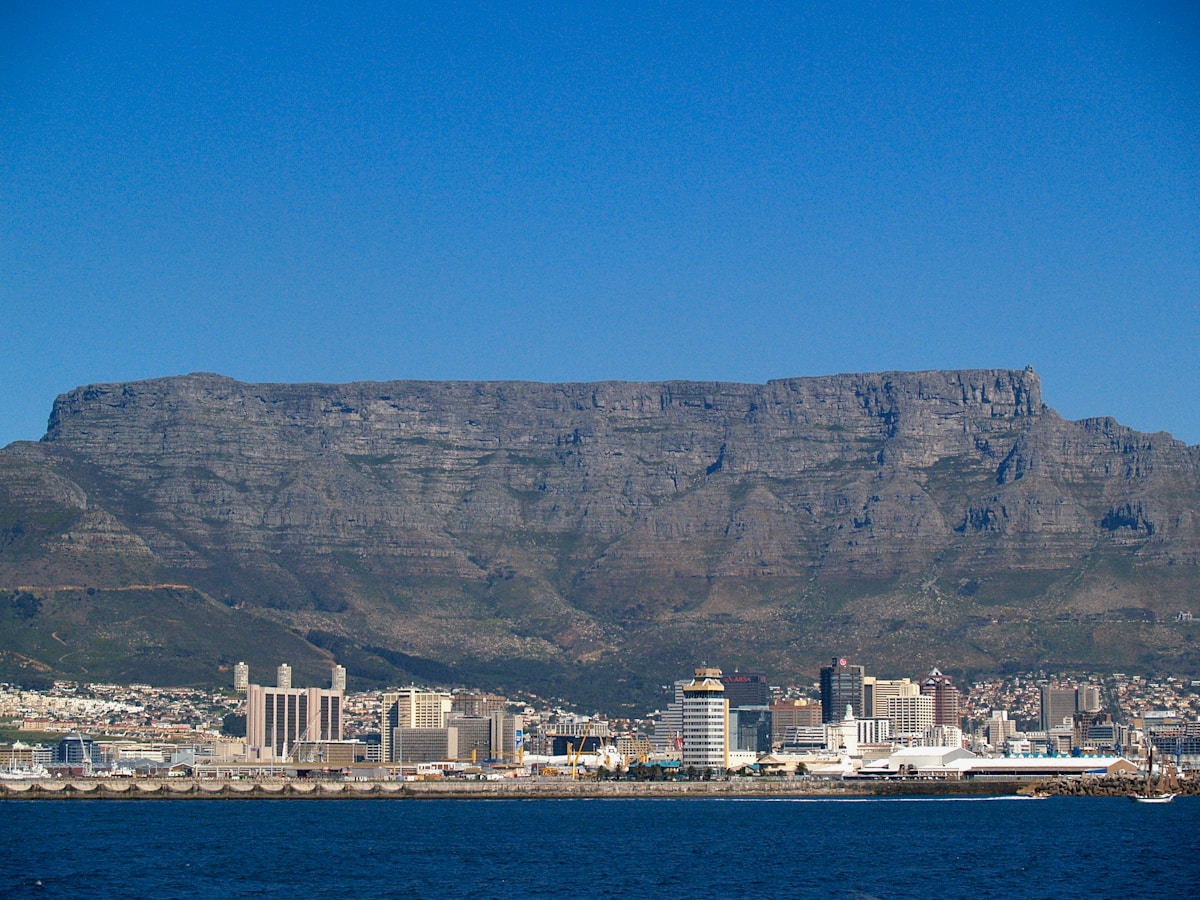
Cape Town continues to absorb the largest share of arrivals, with hotel occupancy in the city bowl and V&A Waterfront area running well above national averages through May. The Western Cape broadly benefits from this, with the Garden Route and the Winelands recording strong numbers alongside the city itself.
Johannesburg remains the primary gateway for business travel and for visitors combining South Africa with other southern African destinations. Safari lodges in Mpumalanga and Limpopo, particularly those adjacent to the Kruger National Park, report strong forward bookings into the August–September high season.
Planning a Trip
For those considering South Africa, July is well into the dry winter season across most of the interior - ideal for wildlife viewing as bush cover thins and animals concentrate around water sources. Our itineraries section covers routes from a week-long Johannesburg–Kruger–Cape Town loop to longer overlanding options. For practical entry requirements including visa information, see our practical guide.
The country overview is a useful starting point for anyone planning a first visit, with current entry requirements, currency guidance, and health precautions. Browse tours and activities across South Africa for guided experiences at the destinations driving this record visitor growth.