The Garden Route — Complete Driving Guide from Mossel Bay to Storms River
Book an experience
Book this activity
These are the top-rated activities for this area — book ahead to lock in your preferred date.
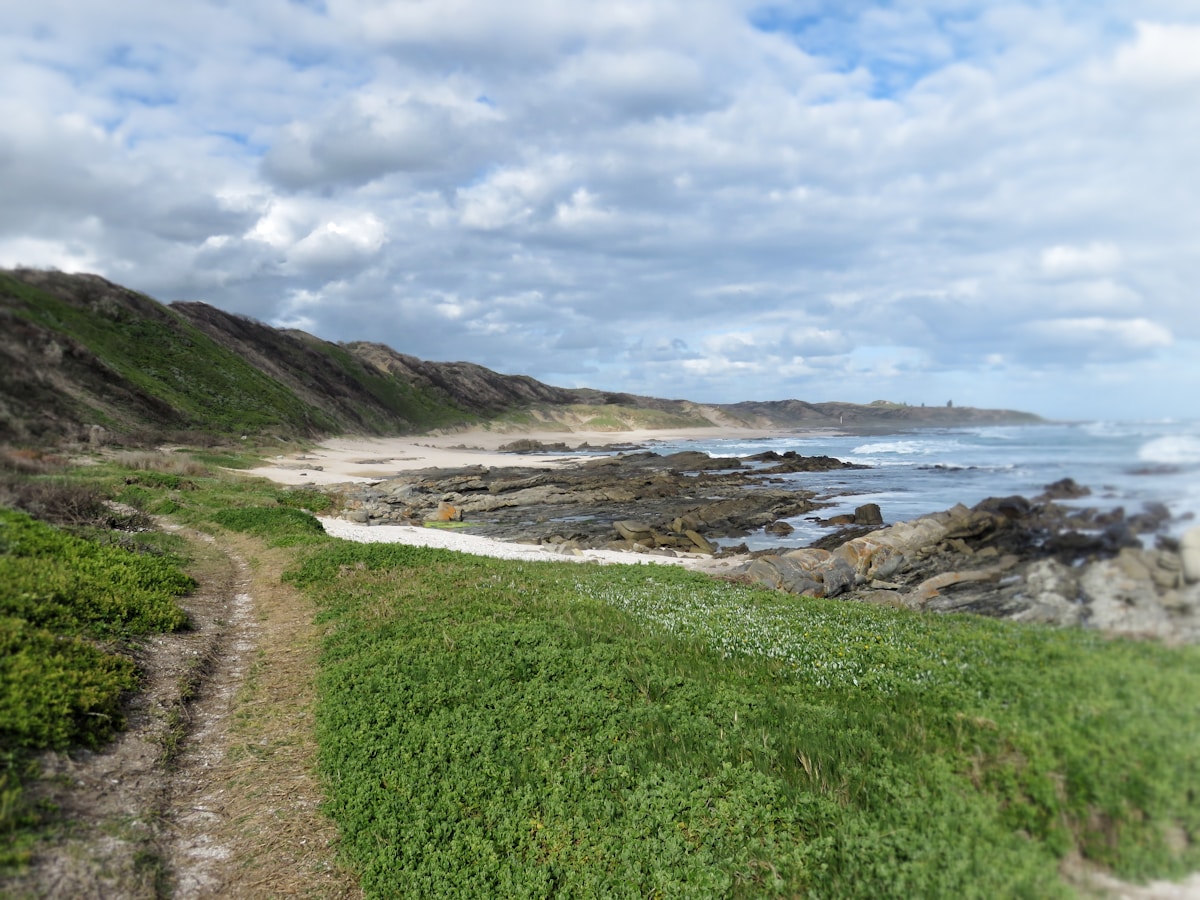
The Garden Route follows South Africa’s southern coast between Mossel Bay and Storms River — approximately 300 km of N2 highway with the Indian Ocean on one side and the Outeniqua and Tsitsikamma mountain ranges on the other. It’s called the Garden Route because of the lush, diverse vegetation — forests, fynbos, rivers, lakes, and rugged coast, all pressed into a relatively narrow coastal belt.
This is South Africa’s most popular road trip, and it earns that status. The towns are interesting, the scenery is dramatic, and the activities are varied. It gets busier in December–January (South African school holidays) and quieter in June–July.
The Garden Route sits within the Western Cape region and connects to the Eastern Cape at its eastern end. Most itineraries start in Cape Town or fly into George. See the 14-day South Africa itinerary for how the Garden Route fits into a bigger trip, or the budget guide for full cost reference.
Garden Route at a Glance
| Stop | Distance from CT | Drive from previous stop | Entry fees | Time needed |
|---|---|---|---|---|
| Mossel Bay | 400 km (4.5 hrs) | — | Free | Half-day |
| Wilderness / George | 430 km (4.5 hrs) | 30 min from Mossel Bay | Free | 1 night |
| Knysna | 500 km (5 hrs) | 1 hour from George | Featherbed ferry R270 | 1–2 nights |
| Plettenberg Bay | 535 km (5.5 hrs) | 30 min from Knysna | Robberg R100 | 1–2 nights |
| Bloukrans Bridge | 550 km (5.7 hrs) | 15 min from Plett | Bungee R1,095 | 2 hours |
| Storms River / Tsitsikamma | 580 km (6.5 hrs) | 45 min from Plett | R204 adult park entry | 1 night |
Getting Started
Most Garden Route road trips begin in Cape Town (400 km west of Mossel Bay) or George (the main airport and transport hub on the Route). Flying into George and picking up a hire car there saves 5–6 hours of driving and means you start the Route fresh.
George Airport connects to Johannesburg and Cape Town. FlySafair, Airlink, and Kulula operate these routes.
If you’re driving from Cape Town, the first 400 km to Mossel Bay is largely through the Overberg wheatfields and past Swellendam — scenic but not the Garden Route itself. Allow 4.5–5 hours.
Key Stops
Mossel Bay (western gateway)
The western entry point. The Dias Museum Complex (R60) marks where Bartolomeu Dias landed in 1488 on the first European voyage around the Cape. The town has a good beach (Santos Beach, protected cove, warm water) and a small but pleasant centre. Not a destination in itself — 2–3 hours is enough before continuing east.
The Wilderness section east of George has lagoons, estuaries, and good kayaking.
Wilderness and George
George is administrative; Wilderness is the stop. The Touw River estuary at Wilderness allows excellent kayaking — flat water paddling through a reed-lined channel. Kayak rentals from R200 for 2 hours. Eden Adventures and other operators run canoe trails.
Knysna (the centrepiece)
Knysna is the Garden Route’s most visited town, and for good reason. The town sits on a large sheltered lagoon; to the south, the Heads — two sandstone headlands framing the lagoon’s ocean entrance — are one of the most dramatic pieces of coastal scenery in South Africa.
The Heads: Drive to the eastern Head (Leisure Island) for the classic viewpoint. No entry fee for the viewpoint.
The Featherbed Nature Reserve (accessible by ferry and foot, R270 including ferry) — the western Head, accessible only on foot with a permit. 4 km walk through fynbos to the cliff edge above the ocean. Dramatic.
Knysna Lagoon: Oysters are farmed in the lagoon — Knysna oysters are famous. Eat them at the Knysna Quays or at Mitchell’s Brewery.
Knysna Elephant Park (R550 adult) is a sanctuary for domestic elephants. Hands-on interaction (walking with elephants). Not a wild encounter — the elephants are semi-tame — but clearly managed ethically for the animals’ welfare.
Outeniqua Choo-Tjoe: The historic steam train between Knysna and George was a famous attraction, but the line has been closed for repairs for years. Check current status before banking on it.
Distance from Mossel Bay: 70 km (1 hour).
Plettenberg Bay
Plett is Knysna’s more upmarket cousin. Two excellent beaches (Robberg and Central Beach) on a bay sheltered from the Indian Ocean swell. In summer, Plett is extremely popular with wealthy South Africans (holiday homes, restaurants at capacity, parking chaos). Out of season it’s quieter and very pleasant.
Robberg Nature Reserve (R100 entry) is the highlight — a rocky peninsula with a 4 km circuit walk and a large Cape fur seal colony on the rocks at the tip. The seal colony is one of the largest in South Africa. Walk the full circuit (2.5 hours) for the best viewpoints.
Whale and Dolphin Watching: Plett has one of the most active year-round cetacean watching spots in South Africa. Common and bottlenose dolphins are present year-round; humpback whales pass through June–November; southern rights and Bryde’s whales also occur. Ocean Blue Adventures runs boat trips (R700–1,200 per person).
Distance from Knysna: 35 km (30 minutes).
Bloukrans Bridge Bungee Jump
16 km east of Plettenberg Bay, the Bloukrans Bridge carries the N2 across a river gorge at a height of 216 m. Face Adrenalin operates the world’s highest commercial bungee jump from the centre of the bridge arch. Cost: R1,095 per person. The jump is tandem-optional; observers can walk to the viewing bridge for R195.
The experience: you are strapped in a full-body harness and jump forward from the arch. Freefall lasts 4–5 seconds before the bungee cord catches. Three or four bounces, then you’re lowered by rope to the pickup below. Total time from jump to pickup: about 2 minutes.
No age minimum (under 14 requires parental permission). Minimum weight 40 kg, maximum 150 kg.
Tsitsikamma National Park and Storms River
The eastern end of the Garden Route and one of South Africa’s most dramatic coastal landscapes. The Tsitsikamma coast is defined by rocky coves, ancient yellowwood forest, and the Storms River Mouth.
Entry to the park: R204 per adult per day. The Storms River Mouth camp is inside the park boundary.
Storms River Mouth: A dramatic location where the Storms River cuts through a narrow canyon and meets the sea. A short suspension bridge crosses the gorge — 77 m long, 77 m above the water. The 3-view walk takes 40 minutes. A restaurant and excellent self-catering chalets are here (book months ahead). The sea here is wild — waves break against the cliff, spray clouds the trail. Unforgettable.
Otter Trail: The Otter Trail (5 days, 42 km) is South Africa’s most famous coastal hike, running from Storms River Mouth to Nature’s Valley. Permits required from SANParks, and the trail books out 6–12 months in advance.
Distance from Plett to Storms River Mouth: 50 km (45 minutes).
Where to Stay
| Property | Town | Category | Rate from | Notes |
|---|---|---|---|---|
| Phantom Forest Eco Reserve | Knysna | Luxury | R4,500 | Tree houses in indigenous forest above the lagoon |
| Pezula Resort Hotel & Spa | Knysna | Luxury | R5,000 | Golf estate clifftop with ocean views |
| Kanonkop House | Knysna | Luxury boutique | R4,200 | 4-room house on the Heads; best small hotel in Knysna |
| Protea Hotel Knysna Quays | Knysna | Mid-range | R2,000 | On the waterfront; reliable and central |
| Hunter’s Country House | Plettenberg Bay | Luxury | R5,500 | Thatched cottages in indigenous garden; highly rated |
| Plettenberg Hotel | Plettenberg Bay | Luxury | R3,500 | Boutique clifftop hotel above Central Beach |
| Hog Hollow Country Lodge | Plettenberg Bay | Mid-range | R3,000 | Forest setting; personal service; popular |
| Armagh Country Lodge | Wilderness | Mid-range | R1,500 | Garden lodge near Wilderness Beach |
| Tsitsikamma Lodge (SANParks) | Storms River Mouth | Mid-range | R1,800 | Inside the park; log cabins on cliff edge; best setting |
| Tsitsikamma Village Inn | Storms River village | Mid-range | R1,200 | Outside the park gate; good value |
| Albergo for Backpackers | Plettenberg Bay | Budget | R350 dorm | Garden Route’s best backpacker |
| Knysna Backpackers | Knysna | Budget | R320 dorm | Town centre; good social scene |
Book well ahead for December–January. Tsitsikamma SANParks accommodation books out months ahead — reserve via sanparks.org.
Continuing East: Into the Eastern Cape
From Storms River, you have three options:
- Drive back to Cape Town — 5–6 hours. Less interesting than the outbound journey but unavoidable if you need to return your car there.
- Fly George to Cape Town — 1 hour, R800–1,500. Fly back from George and leave the car there.
- Continue east into the Eastern Cape — Jeffreys Bay is 1 hour east of Storms River; Addo Elephant Park is 2.5 hours further. See the Eastern Cape guide for detail on Addo and Jeffreys Bay.
Practical Notes
| Fuel | Fill up in Knysna, Plett, and Storms River — gaps between stations in Tsitsikamma |
| December–January | Busiest weeks; accommodation books out; prices +20–30% |
| Malaria | None — entire Garden Route is malaria-free |
| Swimming | Indian Ocean is swimmable (warmer than Cape Town’s Atlantic); shark nets at main beaches |
| Costs | See budget and costs guide |
| Best whale watching nearby | Hermanus (1.5 hours west of Cape Town) — see whale watching guide |
Frequently Asked Questions
- How long should I spend on the Garden Route?
- A minimum of 4 days allows you to cover the highlights. A week is better — 4 days rushing means skipping things worth stopping for. 7–10 days is ideal.
- Do you need a car for the Garden Route?
- Effectively yes. Public transport is minimal and scheduled tours are inflexible. Hire a car in Cape Town or George and drive at your own pace.
- What is the best time to visit the Garden Route?
- Year-round. November–March is summer (warm, some rain). May–September is dry and cooler. July–August brings winter rains. The Garden Route is one of South Africa's greenest, most temperate regions.
- Can you do the Garden Route as a day trip from Cape Town?
- Not effectively — the Route starts 400 km from Cape Town. To see even the highlights properly you need at least 4 overnight stops.
Ready to explore?
Browse hundreds of tours and activities. Book securely with free cancellation on most options.
Browse on GetYourGuide →We may earn a small commission — at no extra cost to you.