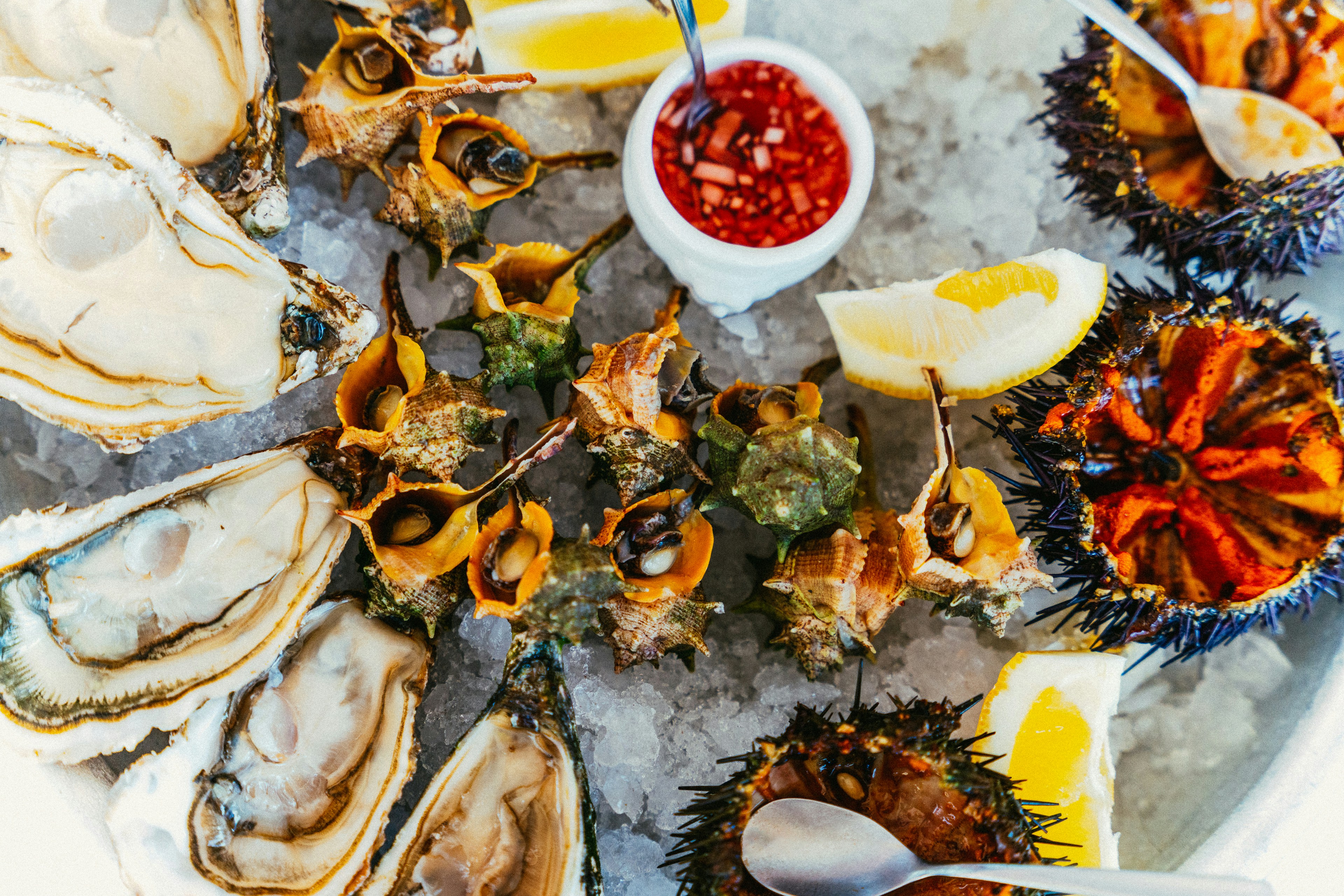
The Garden Route’s restaurant scene is anchored by two things: Knysna’s oysters and the coast’s access to fresh linefish. The route is not a food destination in the way Cape Town is - you won’t find the same density of world-class restaurants - but the quality ceiling is higher than most small coastal towns, and the seafood specifically rivals anything on the South African coast.
Knysna
Knysna is the best dining destination on the route. The waterfront precinct (the Quays) has a concentrated strip of restaurants, and the town’s year-round tourist base supports a broader range than most comparable coastal towns. The Knysna Oyster Festival in July is the culinary high point of the year, but the restaurants that serve oysters throughout the year are the real draw.
Seafood and Oysters
34 South (Knysna Quays, Waterfront Drive): The most-visited seafood restaurant in Knysna, and with good reason. Fresh Knysna oysters are available year-round here - six oysters for approximately ZAR 115–140 as of 2026. The restaurant also serves good line fish (yellowtail, kabeljou), calamari, and the house shellfish platter. Set over the water at the Quays, the outdoor terrace is excellent at sunset. Mains approximately ZAR 180–280. Open for lunch and dinner.
The Drydock Food Co (Knysna Waterfront): More casual than 34 South, positioned as a food hall-style space with multiple food stations inside. Good for groups with different food preferences - options from sushi to pizza to craft beer snacks. Main dishes approximately ZAR 130–220.
Cruise Café (just east of the Heads): A small, relaxed restaurant on the Leisure Isle side of the lagoon with views across to the western Heads. Specialises in fresh oysters and linefish. Fewer tourists than the Quays-side restaurants. Mains approximately ZAR 160–250 as of 2026.
Casual and Cafes
Ile de Pain (Thesen Islands, Knysna): One of the most lauded bakeries and breakfast cafes on the Garden Route. A European-style artisan bakery with tables set beside a water channel on Thesen Islands - a converted industrial island linked to central Knysna by a bridge. Sourdough, pastries, and cafe breakfast plates. Expect to queue on weekend mornings. Open for breakfast and lunch, closed Sunday. Breakfast approximately ZAR 100–180.
Firefly Eating House (Knysna): Consistently recommended by locals as one of the better independent restaurants in town. Casual setting, short daily menu, strong local reputation. Main courses approximately ZAR 180–260 as of 2026.
Knysna Brewery (Old Cape Road): A craft microbrewery and restaurant on the industrial edge of town. The beer is the draw - their amber and weiss are reliable - and the food is honest pub fare. A good midday stop. Pints approximately ZAR 50–70.
Plettenberg Bay
Plettenberg Bay’s permanent wealthy resident base keeps the restaurant standard elevated. The beaches are better than Knysna, and the dining draws inspiration from an affluent second-home crowd that eats out regularly and has expectations to match. The key strip is Central Beach and the Lookout area.
Upscale Dining
Enrico’s Restaurant (Lookout Beach): Widely regarded as the best dining destination in Plettenberg Bay. Italian-South African menu with serious pasta dishes and excellent fresh fish. Pasta mains approximately ZAR 180–260, fish mains ZAR 220–320 as of 2026. Booking essential in peak season.
Emily Moon Restaurant (Bitou River, 5 km from town): The restaurant at Emily Moon River Lodge is one of the most atmospheric dining experiences on the Garden Route. Set on a floating wooden deck above the Bitou River estuary, it serves modern South African food with strong local sourcing. Dinner for two with wine approximately ZAR 1,200–2,000. Open for lunch and dinner; dinner by reservation.
Casual and Beachfront
The Grand Café and Beach (Central Beach): A large, casual beach restaurant right on the sand at Central Beach. Good for long lunches with children - easy and relaxed. Thin-crust pizzas, burgers, salads. Mains approximately ZAR 150–240 as of 2026.
Lookout Deck Restaurant (Lookout Beach): Open-air deck above Lookout Beach with dolphin-watching potential during visits (the beach is a regularly used surfing and recreational spot with consistent dolphin activity offshore). Good for calamari, grilled linefish, and sunset drinks. Mains approximately ZAR 160–260 as of 2026.
The Robberg Bistro (Plettenberg Bay): A smaller, neighbourhood-feel cafe recommended for breakfast and lunch rather than dinner. Good coffee and sandwiches approximately ZAR 80–150.
Wilderness
Wilderness has a quieter, more community-oriented food scene. It draws from a resident population of artists and permanent seasonal workers - cafes here tend toward relaxed, unhurried eating rather than tourist-facing menus.
Girls Restaurant and Bar (Wilderness): A local institution that has been operating for over 20 years. Good fresh fish and a relaxed, bar-adjacent atmosphere. Locals eat here more than tourists do. Mains approximately ZAR 150–240 as of 2026.
The Green Route Café (Wilderness): Vegetable-forward cafe menu with a health-conscious slant - good for breakfast and light lunches. Popular with the yoga and wellness crowd in Wilderness. Plates approximately ZAR 90–160.
ANEW Resort Restaurant (on the lagoon): The most reliably good restaurant in the immediate town area by food quality, set on the lagoon. Good for sundowners and seafood. Mains approximately ZAR 180–270 as of 2026.
George
George is a transit town and the food scene reflects that. The most practical restaurants are around the main shopping areas and on the road south towards the coast. Useful for a quick meal before or after a flight from George Airport.
The Conservatory Garden Restaurant (George): A pleasant garden setting for breakfast and lunch - one of the better casual options in the town. Mains approximately ZAR 130–210 as of 2026.
Storms River
Storms River (Tsitsikamma) has very limited restaurant options given its tiny size, but two reliable choices cover most needs:
Tsitsikamma Village Inn Restaurant: The dining room at the village inn serves reliable South African fare - lamb, line fish, and a good braai menu in season. One of the only proper sit-down dinner options in the village. Mains approximately ZAR 160–250 as of 2026. Booking recommended for dinner.
The Woodcutter’s Kitchen (near the N2, Storms River): A rustic, theme-heavy restaurant near the Storms River Bridge with a forest-edge setting. Good for a lunch stop when driving through. Mains approximately ZAR 130–200 as of 2026.
Explore the Garden Route on a Food Tour
The Garden Route’s food highlights - Knysna’s oyster farms, Plettenberg Bay’s beachfront restaurants, Wilderness’s community cafes, and the craft brewery scene - are spread across 300 kilometres of coastline, and visiting them well requires local knowledge about what’s seasonal, when things are worth travelling for, and which stops on the route to skip. A guided food or coastal experience tour along the Garden Route gives you that context without the trial and error: oyster shucking and tasting at the Knysna lagoon, guided visits to producers in the forest hinterland, and curated restaurant stops that match where you’ll be on a given day rather than a generic list. The Knysna Oyster Festival in July is when guided experiences are most concentrated, but worthwhile food tours run year-round. See Tours & Activities on the Garden Route to find available food and coastal tours.
Knysna Oyster Season and Festival
Knysna oysters are farmed year-round in the lagoon and served in restaurants throughout the year. The annual Knysna Oyster Festival (held for approximately 10 days in July) transforms the waterfront into a food and sport event - tasting sessions, opening competitions, beer gardens, and live music. Restaurant bookings during the festival are essential.
Where to eat oysters outside festival season: 34 South and Cruise Café are the most reliable. Six oysters range from approximately ZAR 95–140 as of 2026 depending on the restaurant. Order with a glass of dry Sauvignon Blanc from the nearby Outeniqua or Robertson wine regions - the pairing is classic.
Oyster etiquette: Knysna oysters are served on ice in the half-shell. Some restaurants offer half a lemon and a mignonette (vinegar-shallot dipping sauce); others serve them plain. If you’re new to oysters, eat the first one plain to taste the lagoon salinity before adding condiments.
Practical Eating Notes
- Booking: Book dinner in advance in Plettenberg Bay (especially Enrico’s and Emily Moon), Knysna Turbine, and during July Oyster Festival. Wilderness and Storms River rarely need booking except in the Christmas–January peak.
- Tipping: Standard practice is 10–15% of the bill. Service is generally not included in the price.
- Crayfish season: West Coast crayfish (rock lobster) season in the Western Cape runs November to April. When in season, crayfish appear on Garden Route menus at a significant premium - approximately ZAR 300–600 per portion as of 2026. Worth trying once.
- Braai options: Many Garden Route guesthouses and self-catering units have outdoor braai facilities. Picking up fresh fish from a fish shop and braaing at your accommodation is one of the best ways to eat on the route - and significantly cheaper than a restaurant meal.
Ready to plan your trip? Tours & Activities on the Garden Route or Travel Insurance for South Africa.