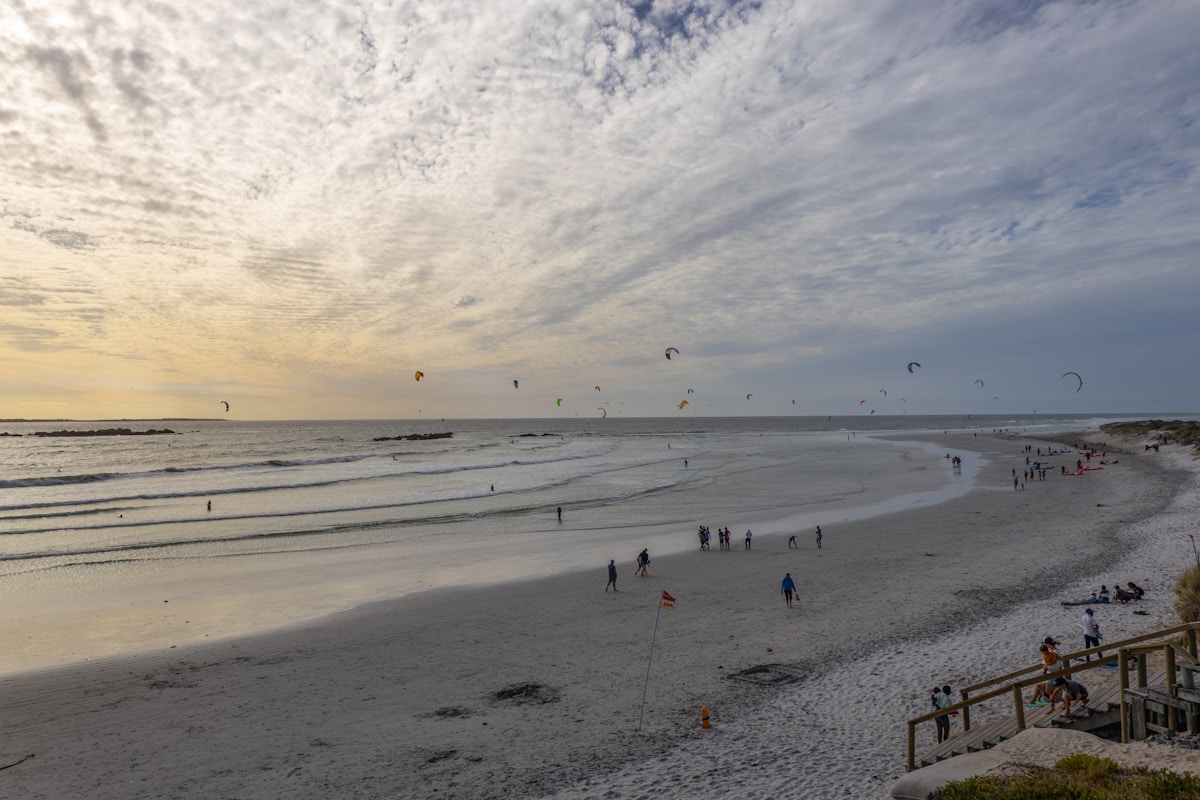
February is one of Cape Town’s best months - reliably hot and dry, but with the peak Christmas crowd thinning out. It’s also the heart of harvest season in the Winelands, making it ideal for wine-focused visits to Stellenbosch and Franschhoek.
Cape Town and the Winelands in February: Harvest Season at Its Peak
Cape Town in February is at its most enjoyable: consistent sunshine, temperatures in the upper 20s, and long evenings that stretch well past 8pm. The Christmas rush has passed, so restaurants are easier to book and accommodation prices ease slightly (though summer prices remain elevated until March).
Search hotels in Cape Town on Booking.com
The Winelands are at their most dramatic in February. Vineyards are heavy with ripe grapes, harvesting is underway across Stellenbosch, Franschhoek, and Paarl, and the golden late-summer light makes the mountain-backed valley scenery particularly striking. Cellar tours are informative at this time - you can often see the pressing and fermentation process actively in progress. Franschhoek is particularly atmospheric during harvest, with its French Huguenot heritage and estate restaurants in full swing. Many estates host harvest-themed dinners and grape-stomping events, and the smaller Helderberg wineries around Somerset West are less crowded alternatives.
The Cape Peninsula drive remains a highlight - the drive to Cape Point, with stops at Boulders Beach penguins and the Cape of Good Hope, is one of South Africa’s great road trips and February weather is ideal for it. For a full Cape Town and Winelands week, our 7-day Cape Town itinerary gives a practical day-by-day structure that fits February’s calm summer conditions well. For hotel options across the Atlantic Seaboard and City Bowl, see Where to Stay in Cape Town.
February Events: Jazz Festival Approach and Cycle Tour Build-Up
February occasionally hosts the early dates of the Cape Town Jazz Festival, one of Africa’s largest jazz events (it typically falls in late March or early April, but dates shift year to year - check the calendar). The festival draws international and South African acts to the Cape Town International Convention Centre over two nights.
The Cape Town Cycle Tour (formerly the Cape Argus), the world’s largest individually timed cycling race, takes place in early March but registration and build-up activity begins in February. The route circles the Cape Peninsula and closes roads for the day.
Kruger in February: Wettest Month, Thickest Bush, Prime for Birding
February is the wettest month in the Limpopo/Mpumalanga region and in Kruger. The bush is at its thickest, rainfall is frequent with heavy afternoon thunderstorms, and game viewing is at its most challenging of the year. Animals are healthy and dispersed, with plenty of standing water meaning they don’t need to concentrate at fixed points.
If you’re in Kruger in February, focus on morning game drives - animals are more active before the midday heat - and take advantage of the exceptional birdwatching. Migrant species are still present and breeding activity is in full swing. The park is at its least crowded, which has its own appeal. Malaria prevention is essential throughout the summer months.
Garden Route in February: Drier Than January, Good for Hiking the Otter Trail
The Garden Route is warm and relatively dry in February - one of the drier summer months for this region. Temperatures around 24°C make hiking the Otter Trail and Tsitsikamma comfortable. Knysna and Plettenberg Bay are busy with late-summer visitors but not as congested as early January. February is an excellent month for the Garden Route drive - long days, reliable weather, and the route between George and Storms River is at its most accessible. The 7-day Garden Route itinerary covers all the key stops from Mossel Bay to Storms River with recommended overnights along the way.
Addo Elephant National Park offers reliable game viewing year-round and is completely malaria-free.
KwaZulu-Natal in February: Durban Peak Beach Season and Joburg Daily Storm Afternoons
Durban’s beach scene is at its most lively in February, with warm sea temperatures (24-25°C) and sunshine between tropical thunderstorms. The Drakensberg is scenic but can receive heavy afternoon rain. iSimangaliso Wetland Park is warm and wet - the tropical estuary is stunning but demanding.
Johannesburg and the Gauteng highveld experience their peak summer rainfall in February. Afternoon thunderstorms are almost daily, often violent but short-lived. Morning sightseeing in Soweto, the Apartheid Museum, and Constitution Hill works best, with indoor plans for the afternoon.
Winelands Harvest Season: Cellar Tours at Peak, Prices Easing Below December
- Winelands harvest is the standout activity this month - cellar tours, harvest festivals, and estate dinners
- Whale watching season is finished - the whales won’t be back until June
- Safari: If Kruger is your priority, consider the dry season (May-September) for better game viewing
- Prices are still elevated versus shoulder season but slightly below the Christmas peak
- Malaria prevention required for Kruger, northern KZN, and Limpopo areas
Plan Your Trip
Franschhoek and Stellenbosch are the natural bases for February. Estate dinners and cellar tours are at their richest during harvest, and weekends in the Winelands book out weeks ahead. Franschhoek’s main street becomes a destination in its own right as harvest-season lunches spill into the evening - book restaurants more than 48 hours ahead.
The Cape Town Jazz Festival usually falls in the last week of March, meaning late February visitors are in the city just as accommodation starts filling. If your dates overlap with the festival, confirm bookings before committing to flights. Outside the Winelands, the Garden Route is excellent in February - quieter than January, warm, and easy to drive from George.
🎟️ Wine tours in the Cape Winelands 🏨 Hotels in Stellenbosch 🛡️ Travel insurance
See Also
- Best time to visit South Africa - month-by-month comparison across all regions
- Wine tasting in the Cape Winelands - harvest season is the best time to visit
- 7-day Cape Town itinerary - planning the Cape Town and Winelands combination
- Where to stay in Stellenbosch - Winelands base for harvest season
- South Africa in January - previous month
- South Africa in March - next month: shoulder season begins