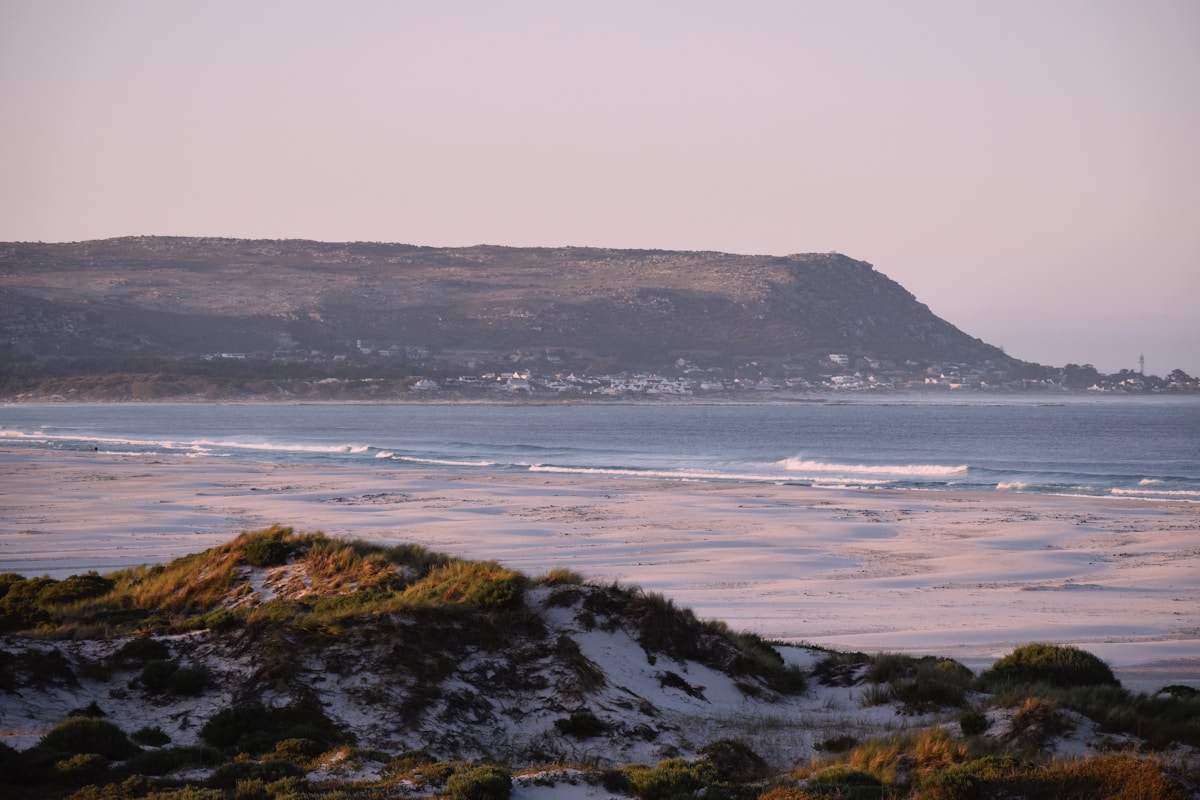
January is high summer across most of South Africa. The country’s school holidays extend into mid-January and the international tourist peak makes this the busiest month of the year in Cape Town. Planning ahead is essential - accommodation fills up fast and prices are at their highest, with hotel surcharges of 50-100% above shoulder season rates common on the Atlantic Seaboard.
Search hotels in Cape Town on Booking.com
Cape Town in January: Peak Beaches, Table Mountain Queues, and Pre-Harvest Winelands
January is Cape Town’s best month on paper: long days, blue skies, and temperatures that regularly reach 28-32°C. The beaches at Clifton and Camps Bay are at their most popular, and the V&A Waterfront is buzzing with activity. Sunset cruises, hiking up Lion’s Head, and day trips to the Cape Peninsula are all at peak enjoyment.
The southeast wind - the “Cape Doctor” - blows frequently in January, especially in the afternoons. On exposed Atlantic Seaboard beaches it can make lounging uncomfortable, but it clears the air and keeps the city visually spectacular. The sheltered beaches at Boulders (Simon’s Town) and False Bay are calmer on wind days.
Book well ahead. December and January are peak season for Cape Town, with accommodation prices running 50-100% higher than shoulder months. Popular restaurants require reservations, and the Table Mountain cable car often has queues exceeding an hour by mid-morning.
The Winelands (Stellenbosch, Franschhoek) are excellent in January - vineyards are green, harvest season approaches (February-March is the main grape harvest), and outdoor dining on wine estates is at its best. Paarl and the Helderberg area offer slightly quieter alternatives to Stellenbosch. If you’re building a Cape Town and Winelands week, our 7-day Cape Town itinerary covers the Atlantic Seaboard, Cape Peninsula, and wine country in a practical day-by-day sequence.
Kruger in January: Green Season, Newborn Impalas, and Exceptional Birding
January falls in Kruger’s green season. Summer rains have transformed the park - the bush is thick and lush, waterholes are full, and animals are dispersed across a wide area rather than concentrated at a few water sources. This makes game viewing harder: you’ll need patience and a keen eye. The best dry-season months for Big Five sightings are May through September, when thinning vegetation forces animals to gather at permanent water.
The upside: January is when you’re most likely to see newborn impalas and other calves. Birdwatching is exceptional - summer migrants from Europe and Asia are present, and breeding plumage makes identification rewarding. Malaria risk is at its highest in the low-altitude game reserves including Kruger, so prevention medication is essential.
Accommodation in Kruger is easier to book in January than in the dry-season peak of June-August, and SANParks camp prices are lower.
Garden Route in January: Warm Driving Weather, Busy Coastal Towns, No Whales Yet
The Garden Route is warm and pleasant in January - temperatures hover around 22-26°C and rain is less frequent than in winter. This is a popular domestic holiday destination in January, so towns like Knysna and Plettenberg Bay get busy. January is one of the better driving months for the Garden Route, with long daylight hours and generally settled weather between George and Storms River.
Whale watching at Hermanus has ended for the season (it peaks June-November). Addo Elephant National Park in the Eastern Cape is excellent year-round, and January is a good time to combine with a Garden Route road trip. Malaria-free, with reliable elephant sightings.
KwaZulu-Natal in January: Durban Beach Heat and Drakensberg Summer Wildflowers
Durban is warm and humid in January - highs of 29-31°C and frequent afternoon thunderstorms. The beaches are popular and the water temperature is at its warmest for swimming. The Drakensberg mountains offer a cooler escape from the coast, with summer wildflowers in bloom and misty afternoon storms creating dramatic scenery. For lodge and guesthouse options across each section of the Berg, see our Drakensberg accommodation guide.
iSimangaliso Wetland Park (St Lucia) is best visited with early morning game-viewing sessions before the heat peaks. Malaria prevention is required for this region.
Cape Town Fully Booked: Budget for 50–100% Peak Surcharges, Watch for Highveld Storms
- Book accommodation early: Cape Town fills up months in advance for Christmas-New Year.
- Budget for peak prices: Hotels, rental cars, and activities cost 50-100% more in January. The Garden Route and Cape Town are the most affected regions.
- Johannesburg highveld storms: The Gauteng region receives heavy afternoon thunderstorms almost daily in January. Morning sightseeing is best - plan indoor activities for the afternoon.
- Malaria prevention: Required for Kruger, northern KZN, and Limpopo safari areas. Not required for Cape Town, Garden Route, or Addo.
- Children’s birth certificates: South Africa requires unabridged birth certificates for all children under 18, strictly enforced at immigration.
Plan Your Trip
The Atlantic Seaboard - Clifton and Camps Bay - is the most booked area in January, but Sea Point and De Waterkant offer the same access to beaches and the V&A Waterfront at lower rates with more restaurant flexibility. Wherever you stay, book the Table Mountain cable car online in advance; ticket office queues run over an hour by 10am most days.
If you’re combining Cape Town with a Kruger safari, schedule Kruger first - January game viewing is harder work in thick green bush - and end the trip in Cape Town for the beach. Stellenbosch and Franschhoek make excellent additions: estates are at their greenest and outdoor estate dining is at its best before the February harvest crowds arrive.
🎟️ Book Cape Town activities 🏨 Hotels in Cape Town 🚗 Car hire from Cape Town Airport
See Also
- Best time to visit South Africa - month-by-month comparison across all regions
- Cape Town city guide - where most January visitors start their trip
- 7-day Cape Town itinerary - planning the peak summer Cape Town visit
- Where to stay in Cape Town - Atlantic Seaboard, City Bowl, and V&A options
- South Africa in February - next month: still summer, harvest season begins
- South Africa in December - the preceding peak season month