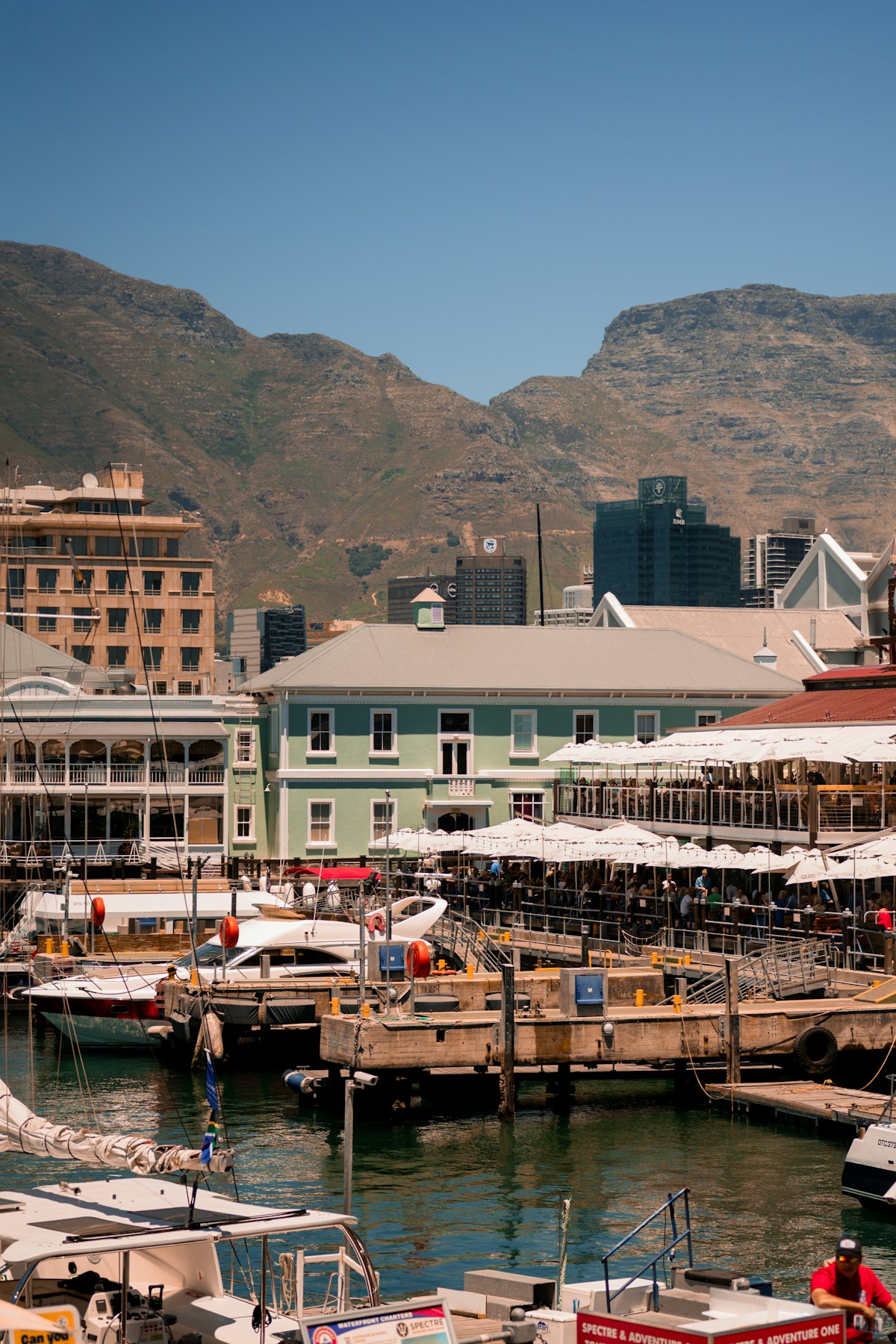
Cape Town’s restaurant scene is the strongest in South Africa and ranks among the most interesting in Africa. The combination of exceptional local ingredients - Atlantic seafood, Winelands produce, braai culture, Cape Malay spice traditions - and a strong generation of internationally trained chefs means the city punches well above its size.
Fine Dining
The Test Kitchen (Old Biscuit Mill, Woodstock) is Cape Town’s most celebrated restaurant. Chef Luke Dale-Roberts runs a tasting menu that treats South African ingredients with the kind of precision usually found only in European three-Michelin-star kitchens. Expect six to eight courses, ingredient-led, with thoughtful wine pairings. Approximately R1,800–2,200/person as of 2026 including paired wines. Reservations open months ahead and fill within hours - book immediately when your dates are confirmed.
La Colombe sits in the Silvermist Estate above Constantia Nek, with views across the Constantia valley and False Bay. Chef James Gaag’s menu is lighter and more classically French-influenced than The Test Kitchen, and the setting is more overtly romantic. Tasting menu approximately R1,500/person as of 2026. Book 4–6 weeks ahead.
The Pot Luck Club (Old Biscuit Mill, Woodstock) is The Test Kitchen’s more casual sibling - a sharing-plate format that allows you to cover more ground at a lower price point. Approximately R150–300 per dish as of 2026. Easier to get a reservation than The Test Kitchen; book 2–3 weeks ahead.
Kloof Street and Gardens
Kloof Street is the spine of Cape Town’s mid-range dining scene - a two-kilometre stretch of independent restaurants, cafés and bars in Gardens and Tamboerskloof.
The Foodbarn Restaurant has earned a loyal following for its relaxed approach to technically accomplished cooking. Approximately R200–350 for a main as of 2026. Strong wine list focused on South African producers.
Truth Coffee is less a coffee shop than a full Victorian steampunk experience - dramatic interior design, excellent single-origin coffee and a strong breakfast and brunch menu. Buitenkant Street, just off Kloof. Queues on weekend mornings; arrive before 09:00 or after 11:30.
Burrata on Kloof is a reliable Italian option with a consistently good wood-fired pizza and fresh pasta. Approximately R180–280 for a main as of 2026. Busy on Friday and Saturday evenings - book ahead.
Bree Street and CBD
Bree Street in the CBD is Cape Town’s most experimental dining strip - smaller rooms, creative menus, natural wine bars.
Chefs Warehouse at Beau Constantia (the Constantia Hills outpost) and the original Chefs Warehouse & Canteen on Bree Street both run a tapas-for-two format - pairs of diners share a set number of small dishes from a rotating menu. Approximately R550–750/person as of 2026. The format means you eat broadly across the menu rather than committing to a single dish.
Bocca (Bree Street) is a wood-fired pizza restaurant with a strong reputation for its dough and toppings. Approximately R150–220 per pizza as of 2026. Good natural wine selection.
Jason Bakery on Bree Street is the go-to for lunch - sourdough sandwiches, croissants and counter food that draws a strong local following. Expect a queue between 12:00 and 13:30.
V&A Waterfront
The Waterfront has Cape Town’s highest concentration of restaurants, though quality is uneven.
The Harbour House at the Quay Four area overlooks the working harbour and is one of the better seafood options in the complex. Linefish and sushi from approximately R220–380 as of 2026. Book for dinner; lunch is usually walk-in.
Nobu at One&Only is Cape Town’s outpost of the global brand - strong, consistent Japanese-Peruvian menu in a polished Waterfront setting. Approximately R350–600 for shared dishes as of 2026. Reservations essential.
Willowbrook Lodge (Green Point, near the Waterfront) is a neighbourhood gem - small, focused menu, excellent value. Approximately R180–300 for a main as of 2026.
Atlantic Seaboard and Sea Point
La Mouette in Sea Point is a neighbourhood favourite that punches above what the street address might suggest - a serious French-influenced tasting menu at accessible prices. Approximately R450–700/person as of 2026.
The Grand Café and Beach in Granger Bay (between the Waterfront and Sea Point) has a beachside deck popular for lunch. Seafood focus; a good choice for a leisurely lunch with Atlantic views. Approximately R200–350 for a main as of 2026.
New York Bagels on Main Road, Sea Point, is the local institution for breakfast or lunch. The line moves fast; sit-down or takeaway bagels from approximately R85 as of 2026.
Bo-Kaap and Cape Malay Cuisine
Biesmiellah Restaurant on Wale Street in the Bo-Kaap has served Cape Malay food since 1969. The bobotie, denningvleis and koeksisters are the reason to visit. Approximately R130–200 for a main as of 2026. Cash preferred; book ahead for dinner.
Noon Gun Tea Room and Restaurant higher up in the Bo-Kaap has more of a tearoom atmosphere but good Cape Malay cooking and views over the city centre below. Approximately R120–180 for a main.
Take a Guided Food Tour of Cape Town
Cape Town’s food scene spans six very different traditions - Cape Malay cooking in the Bo-Kaap, braai culture in the Southern Suburbs, Atlantic seafood at the waterfront, artisan produce at the Old Biscuit Mill, and the township food of the Cape Flats - and a single restaurant visit won’t cover the ground. A guided food tour is genuinely the most efficient way to understand how these traditions overlap: you’ll eat at spots locals go to (not just tourist-facing restaurants), learn the history of why Durban curry and Cape Malay cooking developed so differently, and see neighbourhoods like the Bo-Kaap and Woodstock in a context that makes the food make sense. We have a full guide to Cape Town food tours covering the best Bo-Kaap walking tours, Langa township visits, and Neighbourgoods Market experiences. To browse available tours directly, see Tours & Activities in Cape Town.
Cape Town’s Food Context
Cape Town food is diverse in a way most cities are not: Cape Malay tradition (spiced curries, slow-cooked stews, sweet confections); the braai culture of the Cape (wood-fire grilling, boerewors, lamb chops); the Winelands farm-to-table producers; Atlantic seafood (snoek, yellowtail, crayfish in season); and the modern fine-dining scene informed by all of the above.
For the specific dishes to try - bobotie, snoek, braai boerewors, biltong, Cape Malay curry - see our Cape Town food guide. If you want a guided introduction to the food scene, Cape Town food and city tours include Bo-Kaap walking tours, market visits, and Winelands day trips.
See Also
- Cape Town food guide - dishes and flavours to seek out
- Cape Town city guide - full orientation and practical info
- Where to stay in Cape Town - where to base yourself for the best restaurant access
- Things to do in Cape Town - attractions around your meals
- Cape Town food guide (eating-out) - our deep-dive neighbourhood food guide
Ready to plan your trip? Tours & Activities in Cape Town or Travel Insurance for South Africa.