Cape Town sits at the confluence of several food traditions. The Cape Malay community brought spice routes from Indonesia and Malaysia in the 17th century. Dutch and British settlers brought preservation techniques - biltong, boerewors. The Winelands established a farm-to-table culture three centuries before the phrase existed. Atlantic waters provide exceptional seafood. The result is a food culture that is specific, layered and genuinely unlike anywhere else.
Here are the dishes and drinks that define it.
Bobotie
Bobotie is South Africa’s unofficial national dish - a Cape Malay-origin baked meat dish that captures the city’s culinary history in a single pan. Ground beef or lamb is seasoned with turmeric, curry powder, dried apricots, raisins and almonds, then topped with a bay-leaf-scented egg and milk custard and baked until golden.
The flavour is savoury with subtle sweetness from the fruit, fragrant with spice, and unlike anything in neighbouring cuisines. It is typically served with yellow rice (saffron-tinted), chutney and sambal. Where to try it: Biesmiellah restaurant on Wale Street in the Bo-Kaap (from approximately R130 as of 2026) is the most authentic version in the city.
Braai Boerewors
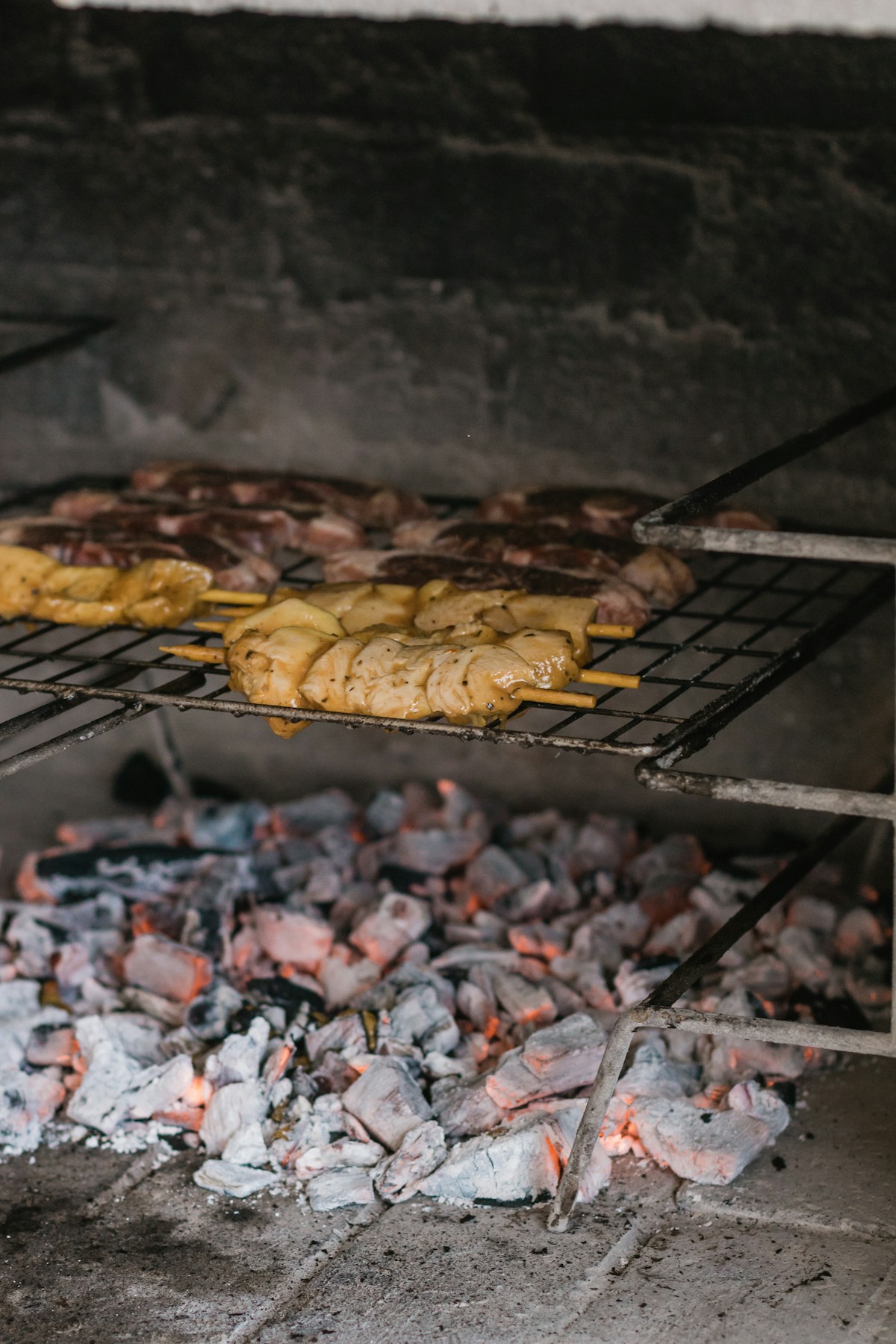
Boerewors means “farmer’s sausage” - a coarsely ground, highly spiced beef and pork sausage formed into a continuous spiral coil, cooked low and slow over wood coals. The flavour is distinctly South African: coriander seed, black pepper, nutmeg, cloves. It splits if you prick it, so don’t.
A braai is the social institution around which boerewors is the centrepiece. Wood coals (not charcoal) are the correct fuel - braaing with gas is widely regarded as missing the point. Where to try it: The Neighbourgoods Market on Saturdays at the Old Biscuit Mill, or the V&A Food Market at the Waterfront. Most mid-range restaurants serve boerewors.
Snoek
Snoek is a long, silver, pike-like fish found in the cold Atlantic waters off the Cape - oily, firm-fleshed, and strongly flavoured. It is typically braaied (grilled over coals) and served with apricot jam, which sounds unlikely but balances the fishiness well. Snoek is also smoked (smoked snoek pâté is excellent), salted, and made into fritters.
Where to try it: Kalk Bay harbour fish market on the False Bay coast, 30 km from the city centre. Fresh snoek sells directly from fishing boats on weekday mornings. Several Kalk Bay restaurants serve it grilled or as a starter.
Cape Malay Curry
Cape Malay curries are milder and sweeter than Indian curries, with a particular depth from spice blends that include cinnamon, cardamom, dried fruit and the preserved lemons used in Cape Malay cooking. Common proteins include lamb, chicken and dried beans. The flavour profile is complex without the fire of Indian-style heat.
Koeksisters (twisted deep-fried dough soaked in spiced syrup), samoosas (small triangular parcels of spiced meat or vegetable) and denningvleis (slow-braised lamb in tamarind) are other essential Cape Malay preparations. Where to try them: The Bo-Kaap’s restaurant cluster; Biesmiellah and Noon Gun Tea Room for sit-down; the Neighbourgoods Market for street food versions.
Biltong
Biltong is dried, cured meat - beef or game (kudu, ostrich, springbok) - air-dried with salt, vinegar and spices including coriander and black pepper. The result is a dense, dry, intensely flavoured snack that is ubiquitous across South Africa. Wet biltong (dried less completely, with more moisture) is also widely available and preferred by many.
Biltong is not jerky - the spice profile and preparation are different. Where to try it: Any deli or supermarket in Cape Town (Woolworths Food, Checkers Superstore). For premium versions, look for game biltong from specialist butchers or the Old Biscuit Mill market.
Potjiekos
Potjiekos (pronounced “poi-ki-kos”) is a slow-cooked stew prepared in a cast-iron three-legged pot over coals. The pot is layered - vegetables on the bottom, meat in the middle, delicate ingredients on top - then left to cook slowly without stirring, sometimes for 3–6 hours. The flavours concentrate and meld over that time.
It is more of a social event than a restaurant dish: potjiekos is braai-culture cooking at its most patient. Occasional pop-up events and some Cape Town restaurants offer it as a special. The most common versions use mutton, chicken, or game (venison potjie).
Umngqusho (Samp and Beans)
Umngqusho is a traditional Xhosa dish made from samp (crushed dried corn kernels) and dried beans, slow-cooked together until soft and creamy. It is simple, deeply flavourful and filling - a staple across the Eastern Cape that appears increasingly on Cape Town menus as chefs engage with indigenous food traditions.
Where to try it: The District Six Museum has occasional community food events. Some Cape Town restaurants with a Southern African focus include umngqusho as a side dish.
Cape Wine
South Africa has been producing wine in the Cape since 1659, making it one of the oldest New World wine regions. The diversity of terrain - mountain-facing slopes, cooler Atlantic-influenced valleys - produces wines with European elegance and New World fruit.
Chenin Blanc (Steen): The Cape’s most planted white variety, particularly exceptional from old bush vines in Swartland and Stellenbosch. Look for producers like Mullineux, Sadie Family, Ken Forrester Old Vine Reserve.
Pinotage: South Africa’s unique variety, a cross of Pinot Noir and Cinsault. At its best: dark fruit, smoky complexity. At its worst: an acquired taste. Kanonkop is the benchmark producer.
Cape Blend: A red blend in which Pinotage plays a significant role, alongside Cabernet Sauvignon or Shiraz. More approachable than single-varietal Pinotage.
Where to drink it: Constantia wine estates (Groot Constantia, Klein Constantia, Steenberg) are 20 minutes from central Cape Town and offer tastings from approximately R150/person as of 2026. The Old Biscuit Mill wine market on Saturdays stocks dozens of small producers.
Koeksisters
A koeksister (not to be confused with koesisters) is a twisted plait of deep-fried dough, soaked in cold spiced syrup until it glitters. The Cape Malay version, called koesisters (slightly different spelling), is a doughnut-style confection rolled in coconut, flavoured with cinnamon and ginger. Both are extremely sweet and uniquely South African.
Where to try them: Bo-Kaap bakeries and the Neighbourgoods Market. Supermarket versions exist but the freshly made version at a market is significantly better.
Rooibos Tea
Rooibos (red bush) is a fynbos plant indigenous to the Western Cape’s Cederberg mountains, harvested and dried to produce an earthy, slightly sweet, naturally caffeine-free tea. It has been exported globally but is best drunk in the Cape where it is made with boiling water rather than the vague teabag dunking it gets elsewhere.
Most Cape Town cafés and restaurants serve rooibos. Woolworths Food stocks good loose-leaf versions. The Cederberg mountains where it grows are a 3-hour drive north of Cape Town - the landscape there is dramatic and the rooibos farms are worth visiting if extending your trip. To try several of these dishes in one go, a Cape Town food tour is the most efficient way to cover Bo-Kaap, the Old Biscuit Mill, and the Winelands in a structured day.
Search hotels in Cape Town on Booking.com
See Also
- Best restaurants in Cape Town - where to eat these dishes and more
- Cape Town food guide - neighbourhood-by-neighbourhood dining breakdown
- Things to do in Cape Town - attractions to fit around meals
- Cape Town winelands day trip - Stellenbosch and Franschhoek from the city
- Cape Town city guide - full orientation