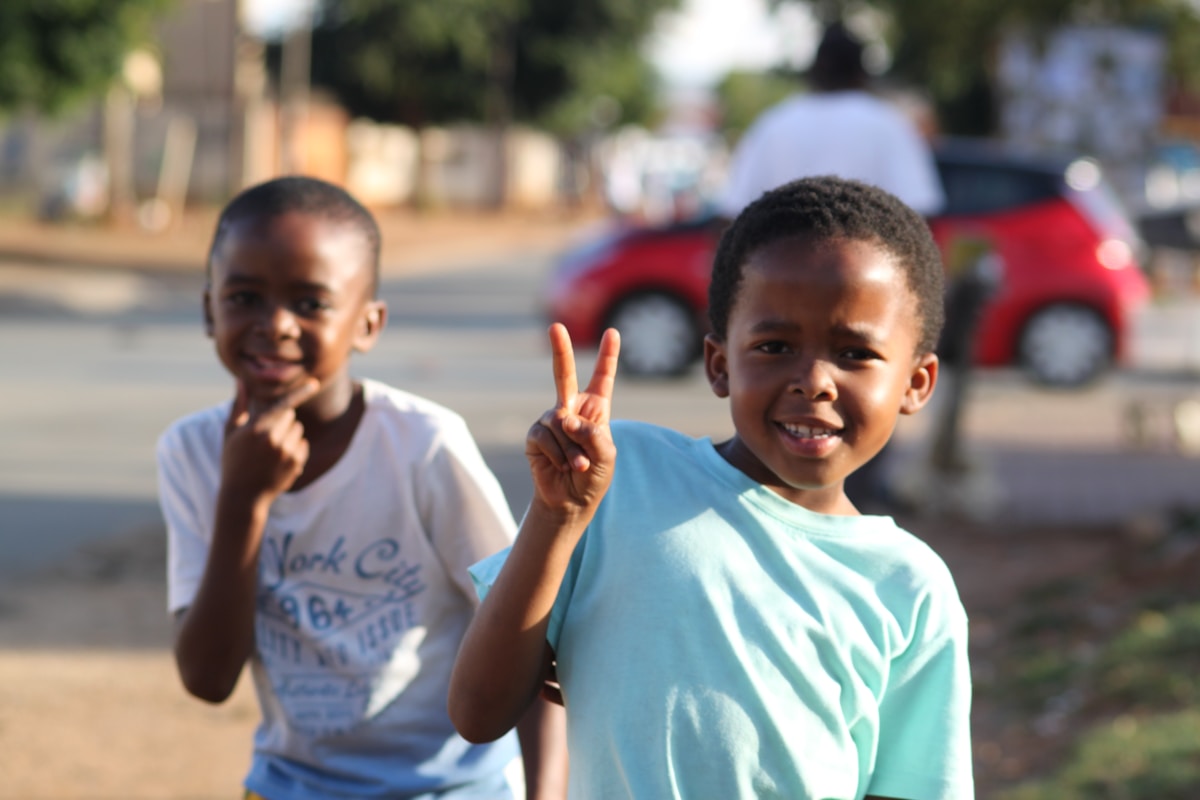
Soweto - South Western Townships - is a city of approximately 1.3 million people within greater Johannesburg’s boundaries. It is the most historically significant urban area in South Africa: the front line of the anti-apartheid movement, scene of the 1976 student uprising, and home to both Nelson Mandela and Desmond Tutu - the only street in the world to have housed two Nobel Peace Prize laureates at different periods.
Tourism in Soweto has grown steadily since democratization. The visitor infrastructure is solid, the storytelling is extraordinary, and the energy - a mixture of working-class permanence and genuine community pride - is unlike anything else in the country.
From central Johannesburg, Soweto is 15 km southwest (20–30 minutes by car or Uber). Book a guided tour through GetYourGuide or directly with a local operator. For the broader day-trip context and logistics from Joburg, see day trips from Johannesburg.
Vilakazi Street
Vilakazi Street in Orlando West is Soweto’s most famous address. At different periods it was home to both Nelson Mandela (number 8115) and Desmond Tutu (number 7818) - the only street in the world where two Nobel Peace Prize laureates lived within walking distance of each other.
Mandela House Museum (ZAR 80 adult, as of 2026) - The home where Mandela lived from 1946 until his imprisonment in 1962, and where Winnie Mandela lived throughout and after his 27-year incarceration. The house is preserved as it was during the apartheid era, with personal photographs, original furniture, and documentation of Mandela’s life. Allow 45–60 minutes; visit in the morning before tour groups converge.
Tutu House - Archbishop Desmond Tutu’s former home is a short walk from Mandela House. It is not open to visitors but its location is well-marked and all guided tours include it in the walking section.
The street has a cluster of restaurants and shebeen-style bars. Chaf Pozi is the most famous - open-air, loud, good music, grilled meat. Eating here is part of the Soweto experience rather than a concession to tourism.
Hector Pieterson Memorial and Museum
The Hector Pieterson Museum (ZAR 30 adult, as of 2026) commemorates the 1976 Soweto student uprising - one of the defining moments of the anti-apartheid struggle.
On 16 June 1976, an estimated 20,000 students marched to protest the government’s mandate that Afrikaans - the language of the apartheid regime - must be the medium of instruction in Black schools. Police opened fire on the crowd. Hector Pieterson, a 12-year-old boy, was among the first to be shot and killed. The photograph taken by Sam Nzima - a fellow student carrying Hector’s body, his sister running alongside - became one of the most iconic images in 20th-century political history and galvanized international opposition to apartheid.
The museum is thoughtfully curated, presenting June 16 through documentary footage, photographs, and oral testimony. The original Sam Nzima photograph is displayed here. Allow 1–1.5 hours - the content is substantial. The memorial outside is a quiet, austere space that invites reflection.
June 16 is now Youth Day in South Africa - a national public holiday commemorating the uprising.
Regina Mundi Catholic Church
Regina Mundi (free entry, donations welcomed) is the most politically significant Catholic church in South Africa. During apartheid, it served as an emergency gathering point, community centre, and refuge for activists when other meeting places were banned.
Police raided it multiple times. In 1976, during the student uprising, they fired live rounds inside the building - the bullet holes in the ceiling are visible and deliberately preserved as part of the building’s historical record. A separate wall displays the marks from police sjamboks on the pews.
The interior includes the Soweto Uprising Madonna - a carved wooden statue depicting a Black Madonna with the face of a typical Soweto woman. The church seats approximately 2,000 and regularly hosted mass political gatherings that could not take place elsewhere.
Enter respectfully: dress appropriately, be quiet, no flash photography during services.
Orlando Towers
Two decommissioned cooling towers from the Orlando Power Station, now repurposed as an extreme sports venue and one of Soweto’s most recognizable landmarks. The towers are painted with large murals visible from the N1 highway.
Bungee jumping (ZAR 650–750 per person, as of 2026) - jump from a platform suspended between the two towers. Lower than Bloukrans Bridge (216 m) but the industrial setting inside the structure is genuinely unusual.
Tower viewing climb (ZAR 150 per person) - a guided climb to the top with panoramic views over Soweto. The sight of the township stretching to the Joburg skyline - residential streets, shacks, suburbs layered together - is striking context for the rest of the day.
The base has JB’s Corner, an open-air bar and restaurant on the terrace. Popular on weekends.
Shebeen Culture and Food
A shebeen is an informal bar - historically unlicensed during apartheid, when Black South Africans were prohibited from purchasing alcohol in White-owned establishments. Shebeens were the social and cultural heart of township life. Today many operate as proper restaurants, but the name is retained as a badge of cultural identity.
Chaf Pozi (Vilakazi Street area) - open-air grill, loud and social. Grilled meat (boerewors, lamb chops, chicken) served with pap and relish. No booking, no formal menu - pay at the counter. The queue and the noise are the experience.
Sakhumzi Restaurant (Vilakazi Street) - established sit-down restaurant popular with tour groups. Traditional South African dishes: umngqusho (samp and beans), morogo (wild spinach), oxtail stew, grilled meat. Book on weekends.
Wandie’s Place (Dube, 10 minutes from Vilakazi Street) - famous for its long-running tradition of buffet lunches with communal tables. Genuine neighbourhood feel, less touristy than Vilakazi Street.
Most guided tours include a lunch stop at one of the above - confirm when booking.
How to Book a Tour
MoAfrika Tours - one of Soweto’s most established operators, with township-based guides who are long-term residents. Half-day and full-day options from ZAR 400 per person.
Curiocity Backpackers - popular with solo travellers and backpackers; tours depart from their Joburg hostel. Good social atmosphere and knowledgeable local guides.
Imbizo Tours - smaller groups, deeper itinerary. Guides have personal connections to the 1976 events. From ZAR 650–900 per person; the depth of storytelling is the value.
GetYourGuide - book Soweto tours online with reviews, pricing, and instant confirmation.
Key Sites Reference
| Site | Entry fee | Time |
|---|---|---|
| Mandela House Museum | ZAR 80 | 45–60 min |
| Hector Pieterson Museum | ZAR 30 | 1–1.5 hrs |
| Regina Mundi Church | Free | 30 min |
| Orlando Towers viewing | ZAR 150 | 1 hr |
| Orlando Towers bungee | ZAR 650 | 2 hrs |
All fees as of 2026 - confirm on-site.
Next
- Johannesburg city guide - safety, hotels, and getting around the city
- Things to do in Johannesburg - Apartheid Museum, Constitutional Hill, and Maboneng
- Day trips from Johannesburg - Soweto in context with Cradle of Humankind and Pilanesberg
- Gauteng region guide - Joburg, Pretoria, and the Highveld province
- Robben Island guide - the other essential apartheid-era site, in Cape Town
- 1-week South Africa itinerary - where Joburg and Soweto fit into a full SA trip Search hotels in Johannesburg on Booking.com