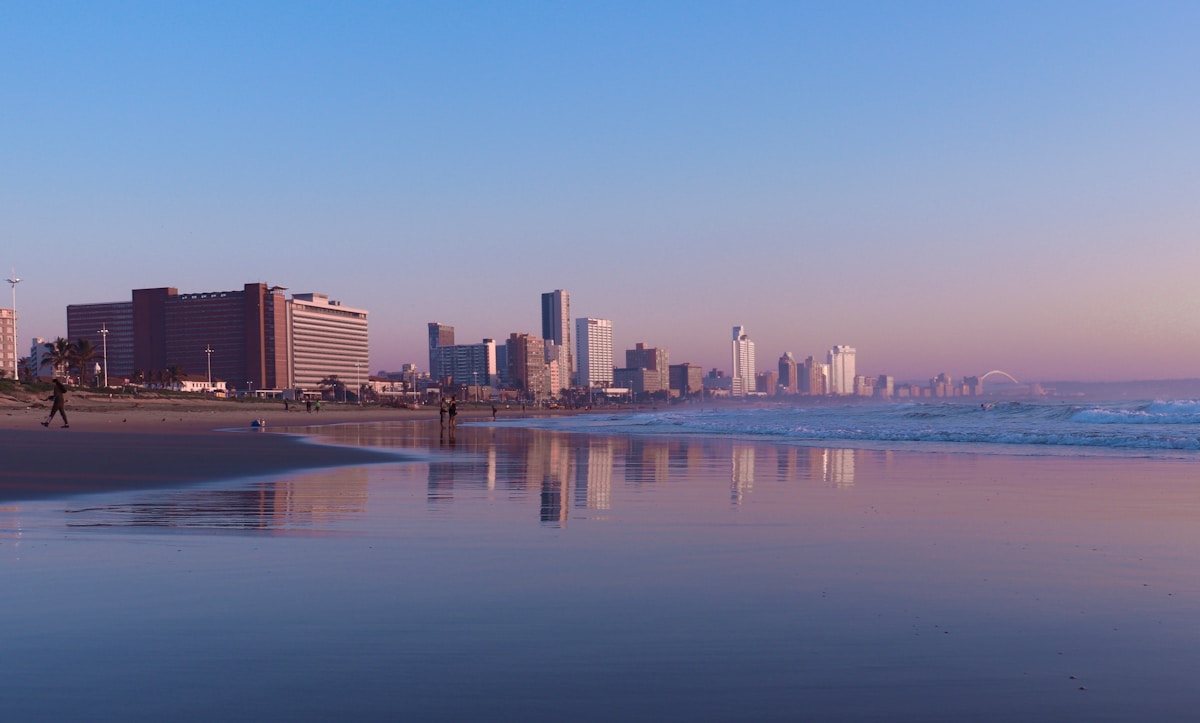
Africa’s Travel Indaba 2026 has closed its doors after four days in Durban, drawing a total of 9,800 visitors and ending with confirmation of a five-year hosting agreement that keeps the continent’s flagship tourism trade show at the Inkosi Albert Luthuli International Convention Centre through at least 2030.
Final numbers from four days of trade
The event ran from 11 to 14 May at the ICC and the adjacent Durban Exhibition Centre under the theme “Unlimited Africa: Growing Africa’s Tourism Economy.” On the opening day, more than 600 exhibiting companies representing 22 African countries and over 700 hosted buyers from 71 nations were registered. By the close on Thursday, the cumulative visitor count had reached 9,800 - a strong result for an event that competes globally for buyer attention and international media coverage.
The four exhibition days hosted more than 3,315 pre-scheduled trade meetings. Those appointments are where the next generation of safari packages, coastal itineraries, and cultural experiences is assembled - products that typically reach consumers within six to 18 months of the show.
Durban locked in for five more years
The ICC confirmed that 2026 marks the first year of a five-year hosting contract, securing Africa’s Travel Indaba for KwaZulu-Natal through the end of the decade. The convention centre cited the event’s contribution to local job creation and hospitality spending as key factors in the deal. For visitors to Durban, that sustained investment in conference infrastructure translates into practical benefits: new hotels, improved transport connections to King Shaka International Airport, and a growing precinct of restaurants and waterfront entertainment.
Tourism arrivals at a national record
President Cyril Ramaphosa, who addressed delegates during the event, confirmed that South Africa welcomed 10.5 million international visitors in 2025 - a new national record. Three-quarters of those arrivals came from the Southern African region, underscoring the importance of intra-continental connectivity to the broader tourism economy. Ramaphosa called for stronger African cooperation to unlock tourism’s potential as a driver of economic growth across the continent.
What it means for travellers
The deals struck at Indaba this week will shape what visitors can book for the 2026/27 travel season. We expect new experiential offerings to emerge from the smaller operators - the 191 micro, small, and medium enterprises that exhibited this year - as they bring new products to the consumer market. KwaZulu-Natal, the Drakensberg, and the Eastern Cape are the provinces most likely to see fresh itinerary options in the pipeline.
For those planning ahead, our guide to flights to South Africa covers all current long-haul routes, including new connections from Spain, South America, and Southeast Asia launching through late 2026. Entry requirements are changing too - check our visa requirements guide before you book, as South Africa’s electronic travel authorisation system continues to expand its eligible nationalities and ports of entry. Once you are booked, explore tours and activities in Durban and KwaZulu-Natal - the products emerging from this year’s Indaba will be on sale well before the peak 2026/27 season.