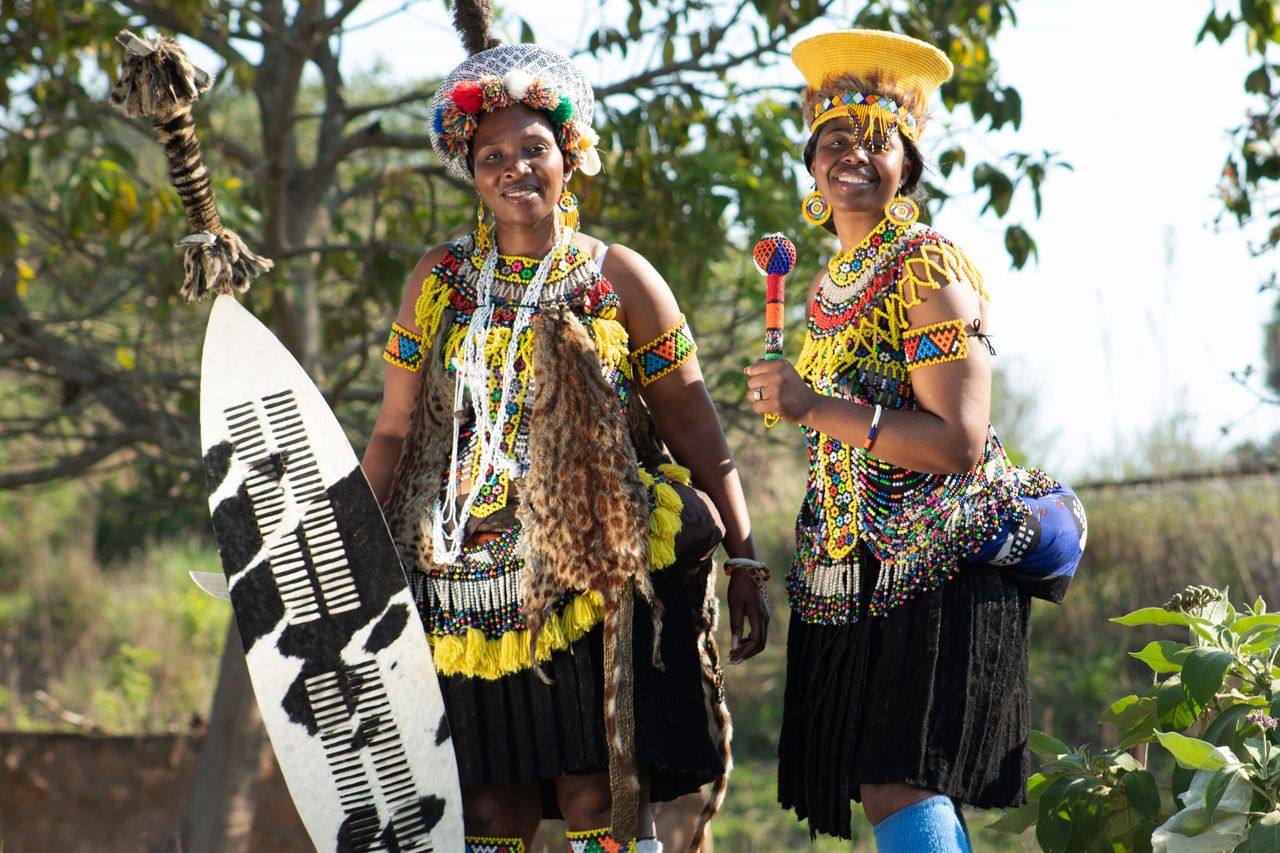
South Africa is one of the most culturally layered countries on earth. Eleven official languages, a mix of African, Cape Malay, Indian, Afrikaner, and European heritage, and sharp contrasts between urban and rural life mean that “South African customs” is never a single thing. What is considered polite in a Cape Town restaurant differs from what is expected in a rural Limpopo homestead. This guide covers the core conventions that apply across most situations a visitor will encounter.
Greetings and Social Customs
First impressions matter. The standard greeting in English is a firm handshake with eye contact. Among isiZulu and isiXhosa speakers, a three-part handshake is common: clasped hands, an upward grip, then back to the standard clasp. If someone extends this greeting to you, follow along. Getting it slightly wrong is fine; making the effort is what counts.
“Howzit” (a contraction of “How is it?”) is the universal South African informal greeting across races and regions. It does not require a literal answer. “Lekker” (pronounced “lecker”) means good, nice, or enjoyable and functions as general-purpose approval across Afrikaans and English speakers alike.
In formal or professional settings, use Mr/Mrs and a surname until invited to use first names. This applies especially in any business context, at lodges, and when meeting elders in township or rural communities.
Respect for elders is deeply embedded across Zulu, Xhosa, Sotho, and Tswana cultures. Standing when an elder enters a room, not interrupting, and deferring to them in conversation are all expected.
Dress Codes
Beaches and coastal areas: South African beaches are casual. Swimwear on the beach is universally accepted. Walking through town in a bikini top and board shorts is common at Clifton in Cape Town or Umhlanga Rocks near Durban. The line is the moment you enter a restaurant, shop, or religious space - cover up with a shirt and footwear.
Restaurants: Smart casual is the standard at mid-range and upmarket restaurants. Places like La Colombe in Constantia or The Test Kitchen in Cape Town’s Woodstock are jacket-optional but expect a clean, composed outfit. Flip-flops and beach cover-ups are fine at a beachfront shack in Kalk Bay; they are not appropriate at The Saxon Hotel’s restaurant in Johannesburg.
Religious sites: Mosques require shoes removed before entering and shoulders and knees covered. Bo-Kaap in Cape Town has several mosques open to respectful visitors - women should bring a headscarf. At Hindu temples in Durban (the Shri Siva Subramaniya Alayam on South Beach is the largest in the Southern Hemisphere), remove shoes and dress conservatively. At churches, Sunday dress norms apply if you are attending a service. Traditional Zulu ceremonies and sangoma practices are private events - if you are invited, follow the host’s guidance on dress rather than assuming.
Safari and game reserves: Khaki, olive, and tan colours are practical. Bright whites and neons make you more visible to animals and are discouraged in Kruger National Park and most private reserves. Evenings at safari lodges like Singita Sabi Sand or Londolozi can be cool enough for a fleece.
Tipping
Tipping is an economic necessity in South Africa, not an optional courtesy. Restaurant staff, car guards, and safari guides all rely on tips as a core part of their income.
Key rates as of 2026:
- Sit-down restaurant: 10-15% (cash in ZAR preferred over card)
- Safari guide and tracker: R150-R300 per person per day
- Car guard (informal parking attendants): R5-R10
- Hotel porter: R10-R20 per bag
- Petrol station attendant (full-service is standard): R5-R10
For the full breakdown including camp staff, boat operators, and when not to tip, see our complete South Africa tipping guide.
Photography
South Africa offers extraordinary photographic opportunities. Some important rules apply:
People: Always ask before photographing individuals, particularly in townships, rural areas, and at ceremonies. Many township tour operators in Soweto and Langa specifically brief this point. Some people will ask for a small payment; this is entirely reasonable and should not be treated as hassle.
Military and government buildings: Do not photograph police stations, military installations, or government security infrastructure. This includes border posts and official vehicles.
Wildlife: In national parks and private game reserves, photography is unrestricted from vehicles. Do not lean out of the vehicle or make sudden movements to get a better shot - this is both a safety rule and a wildlife disturbance concern. Drone use in SANParks requires a permit.
Robben Island: Photography is permitted throughout, including inside the prison building. Your guide (usually a former political prisoner) may ask you to hold photography during certain parts of the narration - respect this.
Bargaining
South Africa is not a bargaining culture in the way Morocco or Southeast Asia is. Fixed prices are standard in shops, supermarkets, restaurants, and fuel stations. Do not attempt to negotiate at Woolworths Food, a Clicks pharmacy, or a filling station.
At craft markets - the V&A Waterfront Craft Market in Cape Town, the Rosebank African Craft Market in Johannesburg, or the Victoria Street Market in Durban - some negotiation is expected and acceptable. Start at roughly 70% of the asking price and expect to settle around 80-85%. Aggressive bargaining or walking away mid-negotiation without genuine intent to return is considered disrespectful.
At informal roadside stalls, particularly along the N2 in the Eastern Cape for Xhosa wood carvings or in KwaZulu-Natal for beadwork, polite negotiation is normal.
Dining Etiquette
Waiting to be seated: At any sit-down restaurant, wait to be shown to a table rather than choosing your own.
Splitting bills: Splitting bills is common and accepted. Asking staff to split a bill between several cards is standard practice at most Cape Town and Johannesburg restaurants.
Braai culture: The braai (barbecue) is central to South African social life across cultures. If invited to a braai, arriving on time or slightly late (30 minutes) is fine. Bring something: beer, wine, or a side dish. The person tending the fire (the braaier) is in charge of the meat. Do not offer unsolicited advice about the fire or cooking times. Vegetarian options are increasingly common but ask ahead - not every host will have thought of them.
Ubuntu: The philosophy of ubuntu - loosely translated as “I am because we are” - shapes South African social interaction in practical ways. Sharing food, offering what you have, and hospitality toward guests are expressions of ubuntu. If someone offers you food or drink in their home, accepting it is polite. Refusing without an explanation can read as standoffish.
Alcohol: South Africa has a drinking culture, but being visibly drunk in public is considered inappropriate. At restaurant tables and braais, moderate consumption is entirely normal.
Behaviour in Homes
Being invited into someone’s home - whether a suburban house in Johannesburg’s Sandton, a Cape Malay home in Bo-Kaap, or a rural homestead in the Drakensberg - is a meaningful gesture.
Shoes: In many South African homes, particularly those with Cape Malay, Indian, or religious-observance backgrounds, shoes are left at the door. Watch what the family does and follow.
Gifts: Bringing a small gift when visiting - flowers, chocolates, or wine - is appreciated but not strictly required. In Muslim households, ensure anything edible is halal.
Elders at the table: In Zulu and Xhosa households, elders are typically served first and may be seated at a position of honour. Wait to be directed rather than choosing your own seat.
Mobile phones: In traditional homes and during family meals, keeping your phone away from the table is a mark of respect. This is common courtesy anywhere, but carries particular weight in communities where communal meals are a formal social occasion.
South Africa rewards visitors who engage with curiosity and respect. The country’s diversity means you will almost always encounter something unfamiliar - asking a local to explain is nearly always welcomed rather than taken as an insult.