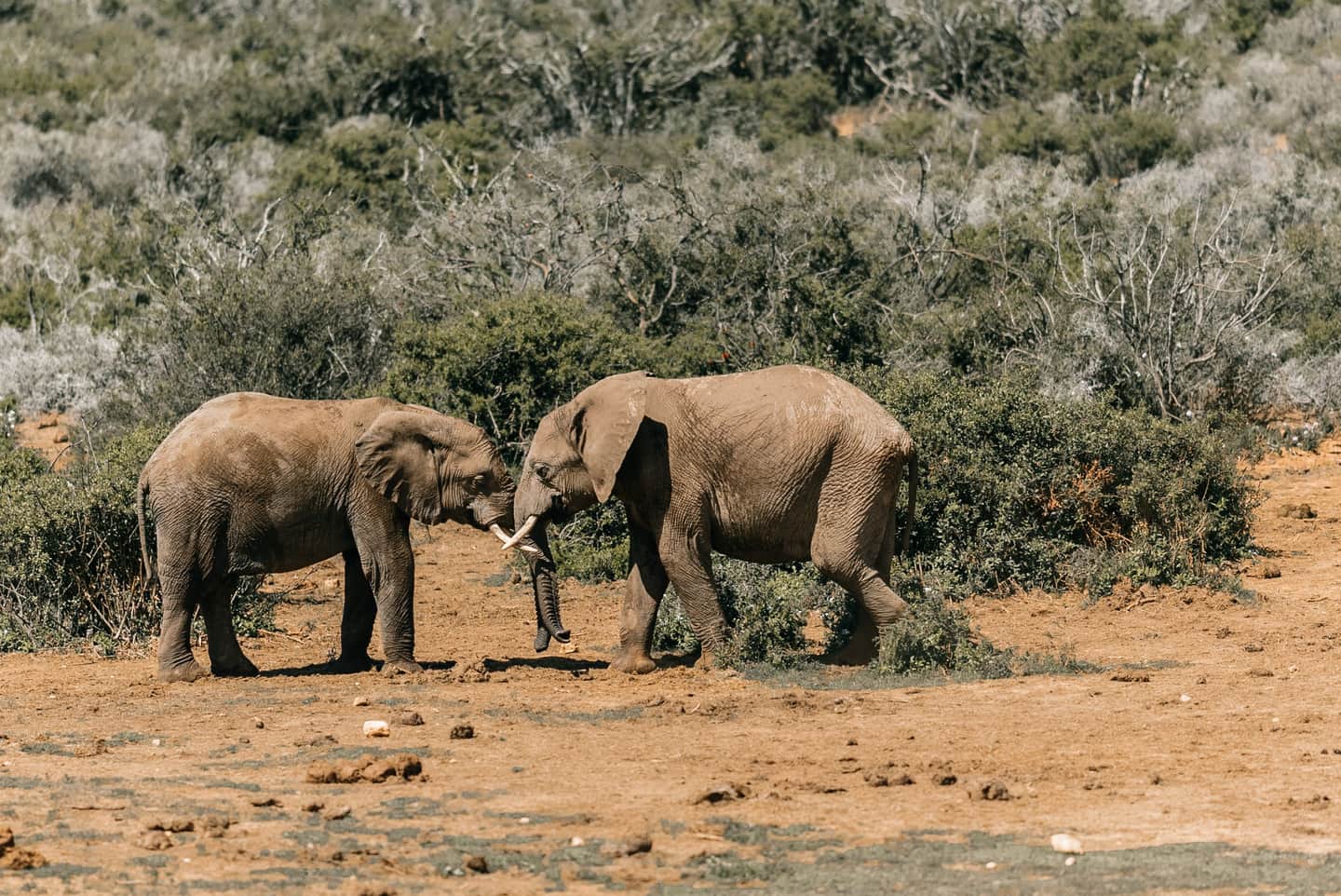
Kruger National Park is South Africa’s flagship wildlife destination — 19,485 km² of Big Five terrain stretching from the Crocodile River in the south to the Limpopo in the north. Unlike destinations where timing is academic, the month you visit Kruger has a dramatic effect on what you see. The difference between a June bush walk and a February drive through knee-high grass is the difference between constant game encounters and the quiet patience of the green season.
We’ve broken the year into the two dominant seasons — dry and green — and then month by month so you can pick the window that matches your budget, interests, and tolerance for heat.
The Two Seasons at a Glance
Dry Season: May to September
This is when Kruger earns its reputation. Rainfall disappears, the bush thins out, and every herbivore in the park is forced toward the permanent rivers and waterholes. Sightings become reliable. Lions sprawl on open rocks. Elephant breeding herds stand in silhouette. Cheetahs hunt in plain sight on short grass.
Best for: Big Five sightings, self-drive first-timers, predator activity
Temperatures: 7–27 °C (mornings cold, afternoons warm)
Crowds and prices: High in July–August (South African school holidays)
Malaria risk: Low, but not zero — prophylaxis still recommended
Green Season: October to April
The rains arrive and Kruger transforms. Impala lambs arrive by the thousand in November and December, drawing predators into constant hunting mode. Migratory birds flood in from Europe and central Africa — Kruger records over 500 species and a large proportion are summer visitors. The landscape turns deep green, dramatic thunderstorms clear in minutes, and lodge rates drop significantly.
Best for: Birdwatchers, budget travellers, photography (dramatic skies), families with young children
Temperatures: 20–35 °C (hot and humid)
Crowds and prices: Lower (except Christmas and Easter school holidays)
Malaria risk: High — prophylaxis is strongly recommended from October through April
Month-by-Month Breakdown
January
Weather: Peak summer. Daily highs 32–35 °C, humidity high, afternoon thunderstorms most days. Rain falls hard but clears fast.
Wildlife: Impala lambs are abundant — lion and leopard sightings are excellent as predators track the herds. Hippos and crocodiles are highly active. Green season birding is at its best: Woodland Kingfisher, Lilac-breasted Roller, and European Roller are all present.
Crowds: Low to moderate. School holidays end early January, then quiet.
Prices: Mid-range. Good value outside the holiday window.
Malaria risk: High.
February
Weather: Still hot and wet — Kruger’s average wettest month. Roads in remote sections can flood briefly.
Wildlife: Cubs and calves born over the summer are now mobile. Predator success rates are high as juveniles are less experienced. Excellent leopard sightings along the Sabie River.
Crowds: Low — this is one of the quietest months in the park.
Prices: Some of the lowest lodge rates of the year. Good time to access private concessions at reduced cost.
Malaria risk: High.
March
Weather: Rains beginning to ease. Still warm (30–33 °C), but afternoons feel less oppressive than January.
Wildlife: Sable antelope calves appear. Buffalo herds begin moving more widely as grass quality peaks. Waterbird activity on the rivers is superb.
Crowds: Quiet.
Prices: Low. Last chance for green-season rates before the shoulder season bump.
Malaria risk: High — tailing off toward April.
April
Weather: The transition month. Rain becomes sporadic. Vegetation starts to dry and thin — game visibility begins improving noticeably in the second half of the month.
Wildlife: Raptors are active as grass shortens. Martial Eagle and Bateleur sightings increase. The wildebeest, zebra, and impala calves from November–January are now sub-adults — a key prey class.
Crowds: Easter school holidays bring a rush mid-month; otherwise quiet.
Prices: Rising toward dry-season rates from mid-month.
Malaria risk: Moderate and falling.
May
Weather: Dry season begins. Daytime highs 26–28 °C, cold nights (8–12 °C). Clear skies, low humidity.
Wildlife: Game viewing improves rapidly as waterholes become critical. Elephant herds congregate. Buffalo bulls form large groups near rivers. This is when serious safari-goers with flexibility choose to visit — before prices peak in June.
Crowds: Low to moderate — the school calendar keeps July–August busier.
Prices: Reasonable. Good shoulder-season value.
Malaria risk: Low.
Tip: May morning drives require a fleece or light jacket for the open vehicle. Temperatures at 05:30 gate opening can sit at 6–8 °C. Pack layers even if you’re flying from a warm northern hemisphere summer.
June
Weather: Deep winter. Mornings can drop to 4–6 °C in the south. Daytime highs 22–24 °C. No rain. Excellent visibility.
Wildlife: This is the month many rangers consider the best. Sparse vegetation means animals are visible from distance. Predators are active at waterholes: lion kills happen in daylight. Leopard sightings increase as prey density around waterholes rises.
Crowds: Moderate. South African school winter holidays fall in late June.
Prices: High season rates begin. Book SANParks camps at least six months ahead.
Malaria risk: Very low.
July
Weather: Coldest month. Frost possible in the far south near Crocodile Bridge. Daytime highs 23–25 °C and sunny.
Wildlife: Peak game concentration. The Olifants, Letaba, and Shingwedzi rivers are the only water available across vast stretches of the north — elephant herds of 50–100 animals gather here daily. Buffalo mega-herds of 200–400 are not unusual. Lion prides actively patrol waterhole circuits.
Crowds: High — South African school holidays run through most of July. Rest camps book out.
Prices: Peak. Expect to pay 30–50% more than green season equivalent.
Malaria risk: Very low.
Wildlife event: July is the single best month for watching lions hunt at waterholes. The Sunset Dam near Lower Sabie reliably attracts hippo, crocodile, elephant, and lion in a single afternoon session.
August
Weather: Warming slightly from July’s chill. Daytime highs 26–28 °C. Dust increases as waterholes recede further.
Wildlife: Exceptional. Rhino (both white and black) are easier to locate as they concentrate around fewer water sources. Cheetah activity is high on the open plains of the south. The wild dog packs that den in the park begin moving pups with the pack.
Crowds: Still high — last week of August often the busiest week in camp.
Prices: Peak season. Book early.
Malaria risk: Very low.
Wildlife event: African Wild Dog denning season. Sightings near Punda Maria and Shingwedzi can involve the entire pack with pups. These are multi-endangered animals — encounters are rare and exceptional.
September
Weather: Spring arrives. Daytime highs push to 30–32 °C by late month. First rains possible from mid-September. The bush is at its driest and most open.
Wildlife: Impala rutting season begins. Rams bugle across the plains; territorial fights are intense and spectacular. Elephant bulls in musth patrol aggressively. The dry waterholes create maximum concentration before the rains break — some guides call late September the single best week of the year.
Crowds: Dropping fast after school holidays end.
Prices: Easing from August peak. Good value for quality game viewing.
Malaria risk: Rising slightly as temperatures increase.
Wildlife event: Impala rut (September–October). The sound of rams clashing carries across the veld for hundreds of metres. Predators track the distracted males actively.
October
Weather: Hot and building. Highs 33–36 °C. First thunderstorms arrive — dramatic light for photography. The “suicide month” among birders (so many species to photograph, impossible to choose).
Wildlife: Migratory birds begin arriving. Woodland Kingfisher calls signal the season change. The first impala lambs appear in late October — the “lambing explosion” that supercharges predator activity.
Crowds: Quiet before November school holidays.
Prices: Shoulder season. Good value.
Malaria risk: High and rising — start prophylaxis before arrival.
November
Weather: Rainy season fully established. Hot, humid, 30–34 °C. Afternoon storms are regular and intense, but mornings are often clear.
Wildlife: Calving season peaks. Impala lambs arrive in waves of thousands over a 3-week window — it’s nature’s version of population synchronisation to swamp predators. Lions, leopards, cheetahs, and hyenas are in constant kill mode. Elephant cows calve. Zebra foals appear.
Crowds: Low outside school holidays.
Prices: Green season low rates. Some of the best lodge value of the year.
Malaria risk: High.
December
Weather: Peak summer. 32–35 °C, regular afternoon rain. The park is strikingly beautiful — deep green, red laterite roads, dramatic cloud formations.
Wildlife: Young of the year from November are now active and learning. Predator activity remains excellent. Over 400 bird species present simultaneously. Hypnotic light for sunrise drives.
Crowds: High over Christmas and New Year school holidays (December 20 – January 10). Quiet mid-December.
Prices: Christmas and New Year premium pricing at private lodges. Book 12+ months ahead for the festive period.
Malaria risk: High.
Malaria Risk: A Practical Summary
Kruger sits in a malaria transmission zone. There is no month where risk is zero, but it varies significantly:
| Season | Months | Risk Level | Recommendation |
|---|---|---|---|
| Dry winter | May–Sep | Low | Prophylaxis still recommended for high-risk travellers |
| Shoulder | Oct, Apr | Moderate | Prophylaxis recommended |
| Wet summer | Nov–Mar | High | Prophylaxis strongly recommended for all visitors |
Common prophylaxis options used in South Africa: Malarone (atovaquone-proguanil), Doxycycline, and Mefloquine. Consult a travel health clinic 4–6 weeks before departure. Beyond medication: DEET repellent (50%), long sleeves and trousers from sunset, and staying in screened or air-conditioned accommodation.
Packing by Season
Dry Season (May–September)
- Warm layering for early morning drives — fleece or light down jacket
- Light clothes for afternoon warmth
- Neutral or muted colours (khaki, olive, grey) — avoid white, bright blue
- Binoculars (10×42 recommended)
- High-SPF sunscreen — winter UV in the Lowveld is deceptive
- Closed shoes for bush walks
Green Season (October–April)
- Breathable, moisture-wicking clothes — heat and humidity are significant
- Rain jacket or packable poncho
- Insect repellent (DEET 50%+) — this is non-negotiable
- Anti-malaria prophylaxis (started before arrival)
- Waterproof camera bag or case
- Sunscreen and sun hat
Prices and Booking Windows
SANParks rest camps (Skukuza, Satara, Lower Sabie, Olifants, etc.) operate on a tiered pricing system:
| Season | Approximate nightly rate per person | SANParks classification |
|---|---|---|
| Peak (school holidays in Jun–Aug) | R400–900 (bungalow) | Peak |
| High dry season (May–Sep outside holidays) | R280–600 | High |
| Green season (Oct–Apr outside holidays) | R180–400 | Low/Mid |
Private lodges on the western concessions (Sabi Sand, Timbavati, Klaserie) operate independently:
- Budget private camp: from R4,000–6,000 per person per night (all-inclusive, two drives daily)
- Mid-range lodge: R6,000–12,000 per person per night
- Luxury lodge (e.g., Sabi Sand): R12,000–35,000 per person per night
Green season discounts at private lodges can reach 30–40% off peak rates. The experience quality remains excellent — the lighting for photography is often superior.
Booking windows:
- SANParks rest camps: 12 months in advance (booking opens at midnight on the date 12 months prior)
- Popular camps (Skukuza, Satara, Lower Sabie) in July–August: book as soon as the window opens
- Private lodges: 6–18 months ahead for prime dates; some last-minute availability in green season
Getting to Kruger
The two main entry points are Johannesburg (OR Tambo International, approximately 4–5 hours’ drive to the southern gates) and Skukuza Airport within the park itself. Flying into Skukuza or the nearby Hoedspruit Airport (KMIA) cuts driving time significantly if you’re staying in the central or northern sections.
For self-drive visitors, a 4×2 standard saloon car handles all SANParks tar roads comfortably — no 4×4 is required. If you’re adding a Cape Town circuit, renting from Cape Town and doing the classic road trip north is one of the most rewarding ways to see the country.
Our Cape Town to Kruger road trip guide covers the 1,500 km route in detail, including overnight stops at the Karoo, Panorama Route, and Blyde River Canyon.
For a detailed itinerary once you’re inside the park, our 5-day Kruger safari guide covers gate strategy, camp selection, and the best drives for Big Five sightings.
Our Verdict
Go in June or July if wildlife density is the priority — the dry season waterhole watching is world-class and the cold mornings are a small trade-off for exceptional sightings.
Go in November or December if budget matters — calving season means predator activity is frenetic, birding is at its peak, and lodge rates drop 25–40% versus peak.
Avoid mid-December to early January and the July school holidays if crowds concern you — Kruger is still excellent then, but SANParks camps fill up and traffic at waterholes increases.
However you time it, Kruger rewards. Few places on earth offer the density of wildlife encounters per kilometre driven that this park delivers in any season.