Search hotels in Cape Town on Booking.com
September is one of South Africa’s most balanced months to visit: Cape Town’s spring has arrived, Kruger’s dry season continues with excellent game viewing, and Hermanus’s whale watching is at or near its peak. Prices are below the December holiday high but the weather is excellent across most regions. For travellers who want a bit of everything - wildlife, coast, wine country - September consistently delivers.
Cape Town in September: Spring in Full Stride - Fynbos in Bloom, Table Mountain Clear, Winelands Uncrowded
September is Cape Town’s spring. Rain becomes increasingly rare, temperatures climb back toward 18–22°C, and the fynbos blooms across the slopes of Table Mountain and throughout the Cape Peninsula. Kirstenbosch National Botanical Garden is spectacular in September - the proteas and ericas that make the Western Cape’s floral kingdom so distinct are at their most visible. Entry costs approximately ZAR 220 for international visitors as of 2026, and the garden’s open-air concerts begin again in October, so September is a quieter time to explore.
The Cape Peninsula drive returns to its full glory: Cape Point in September sunshine, with spring wildflowers on the cliff tops and Boulders Beach penguins in fine form. Entry to the Cape of Good Hope section of Table Mountain National Park costs approximately ZAR 376 for international adults as of 2026. It’s one of the best months for hiking - conditions are ideal, the mountain paths are dry, and the city is not yet crowded.
Table Mountain’s Aerial Cableway runs reliably in September on clear days. A return ticket costs approximately ZAR 395 for adults as of 2026. Hikers should note that September can still bring cold fronts, so check the weather before heading up - the Platteklip Gorge route takes roughly two hours and is manageable for anyone with reasonable fitness.
Where to stay in Cape Town in September: Hotels on the Atlantic Seaboard (Camps Bay, Clifton) run approximately ZAR 2,500–5,500 per night for a mid-range double, noticeably below December rates. The City Bowl around Kloof Street offers budget-friendly guesthouses from approximately ZAR 1,200 per night. The Winelands towns of Stellenbosch and Franschhoek are also well-priced in September, with boutique hotels starting from approximately ZAR 1,800 per night.
Where to eat: September dining in Cape Town is relaxed - no need for the advance bookings that December demands. La Colombe in Constantia (tasting menu from approximately ZAR 1,450 per person), The Test Kitchen in Woodstock, and Pier Restaurant at the V&A Waterfront (mains approximately ZAR 180–350) are all easier to book in September than in peak season.
Whale Watching at Hermanus: Peak Numbers, Whale Festival Just Ahead in October
September and August are the two peak months for southern right whale numbers in Walker Bay. The Hermanus Whale Festival (2–4 October 2026) falls just after September and draws around 100,000 visitors over the weekend - if you plan to attend, book Hermanus accommodation months in advance as the town fills completely. Even without the festival, September is an outstanding time to walk the cliff path or take a boat trip. Boat-based whale watching trips from the Old Harbour run approximately ZAR 900–1,200 per person as of 2026.
The Marine Hotel (from approximately ZAR 2,800 per night) and Hermanus Backpackers (from approximately ZAR 450 per night for a dorm) offer options at different price points. See Where to Stay in Hermanus for a full breakdown of cliff-path hotels, guesthouses, and budget options. For a meal with a view, Fisherman’s Cottage on the harbour front serves fresh seafood with mains from approximately ZAR 140–280.
Whale numbers begin declining in October as the whales move back to Antarctic feeding grounds, so September offers the final reliable window for consistent sightings. If you’re combining Hermanus with the Garden Route, our 7-day Garden Route itinerary builds a natural circuit east from Cape Town that includes the whale coast.
Kruger in September: Dry Season Holds - Prices Easing, Game Viewing Still Excellent Before First Rains
September maintains the open, dry conditions that make Kruger excellent for game viewing. The vegetation is still thin, waterholes remain critical, and large mammal sightings - including lion, elephant, buffalo, and leopard - are consistent. As the month progresses, the first signs of the coming wet season may appear - occasional thunderstorms toward the end of September - but these don’t significantly affect the experience.
September is slightly less crowded than July and prices begin to ease. SANParks conservation fees for international visitors cost approximately ZAR 440 per adult per day as of 2026. Self-drive is popular and rewarding - the park’s main rest camps (Skukuza, Lower Sabie, Satara) charge approximately ZAR 1,200–1,800 per night for a two-person bungalow. Private lodges outside the park gates (Sabi Sand, Timbavati) start from approximately ZAR 5,000 per person per night including meals and guided drives.
Guided morning and sunset game drives through SANParks cost approximately ZAR 350–500 per person. We recommend Lower Sabie camp for its position overlooking the Sabie River - it consistently produces good sightings. Our 5-day Kruger safari itinerary gives a practical circuit that works well for a September visit, when prices are easing from the August peak.
Malaria prevention is required for Kruger and should be discussed with a travel health clinic before your trip.
Garden Route in September: Overberg Wildflowers, Spring Fynbos, and Uncrowded Coastal Roads
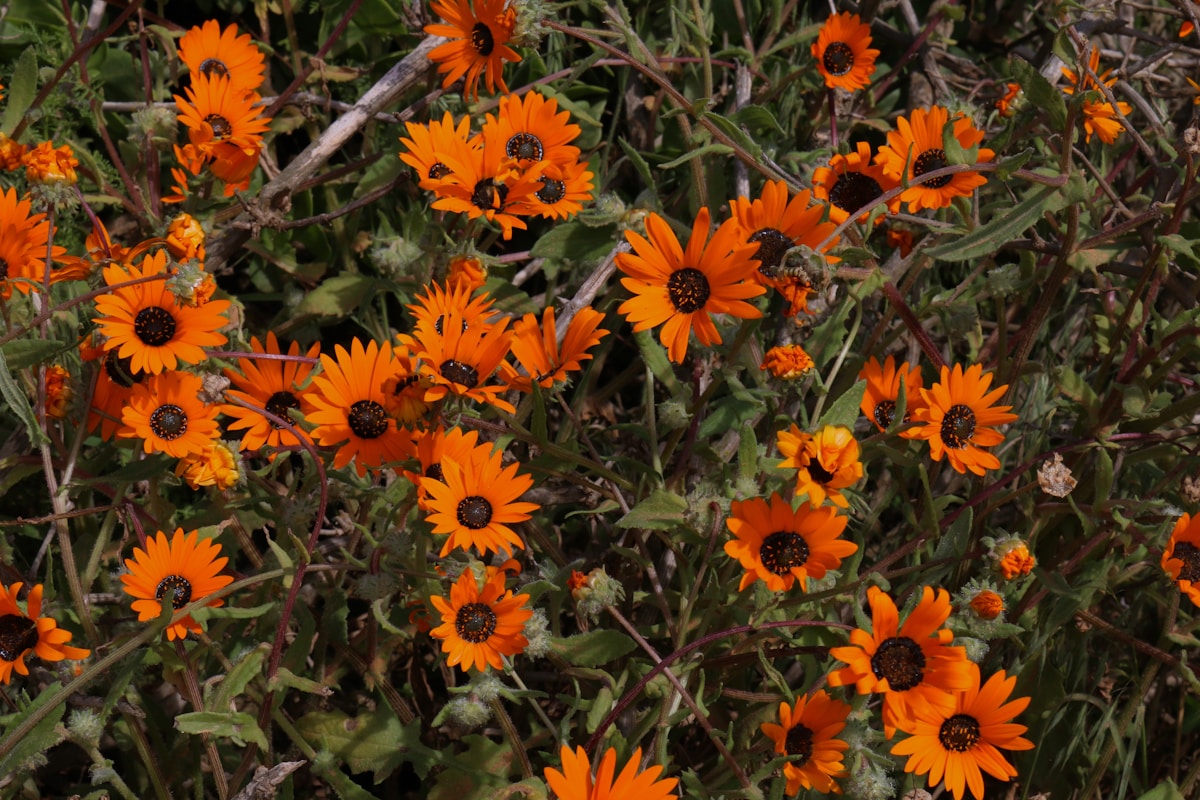
The Western Cape wildflower season extends into September across the Overberg and Elgin Valley regions. The Hantam Karoo and Cederberg are also worth exploring - wildflower viewing is free in most areas, though the Postberg section of West Coast National Park (approximately ZAR 76 entry for international visitors) is one of the most concentrated displays.
Combined with a Garden Route road trip, this makes September a tempting self-drive option. The drive from Cape Town to Storms River covers roughly 750 km and takes a minimum of three days to do comfortably. Key stops include Mossel Bay, Knysna (the Featherbed Nature Reserve boat trip costs approximately ZAR 695 per adult), and Tsitsikamma National Park, where the suspension bridge trail is one of the country’s most popular short walks. Garden Route accommodation in September is well-priced, with guesthouses in Knysna available from approximately ZAR 900 per night.
Best Month for South Africa: Book Hermanus Whale Festival Accommodation Ahead
- September is one of the best all-round months - widely recommended by travel specialists
- Book well ahead if you want to attend the Hermanus Whale Festival (accommodation and restaurants fill up)
- Kruger: prices begin to ease slightly from the July–August peak
- Rental cars are more affordable and available than in December - expect approximately ZAR 500–800 per day for a compact from Cape Town airport
- Malaria prevention is not required for Cape Town, the Garden Route, or Addo - only for Kruger and northern KZN
- Children under 18 require unabridged birth certificates at South African immigration
Plan Your Trip
The Hermanus Whale Festival falls in the last full weekend of September, drawing crowds to the cliff path and the Old Harbour. Accommodation in Hermanus fills entirely during festival weekend - book months ahead or stay in nearby Stanford (30 minutes inland) and drive in. The first three weeks of September offer the same cliff-path whale sightings in far quieter conditions.
Cape Town is at its spring best: Kirstenbosch Botanical Gardens has wildflowers in full bloom, the Fynbos across the Cape Peninsula is flowering, and temperatures warm to 18–22°C. Kruger prices ease slightly from the July–August peak, and game viewing remains productive as waterholes stay dry through most of September.
🎟️ Whale watching & tours in Hermanus 🏨 Hotels in Hermanus 🚗 Car hire from Cape Town Airport
See Also
- Best time to visit South Africa - month-by-month comparison across all regions
- Whale watching at Hermanus - September is peak whale season; Whale Festival follows on 2–4 October
- Cape Town city guide - spring is beautiful in the city
- 10-day South Africa itinerary - combining Cape Town, Winelands, and Kruger in spring
- Where to stay in Hermanus - Whale Festival month accommodation guide
- South Africa safari cost guide - full budget breakdown for planning a safari
- South Africa in August - previous month
- South Africa in October - next month: spring in full swing