Cape Town’s food scene layers three centuries of influence - Cape Malay spice routes, indigenous Khoi-San traditions, Dutch pantry staples, and more recently a proper restaurant culture that punches well above the city’s size. A food tour here isn’t just eating; it’s a shortcut into how the city’s history actually played out on the plate. This guide covers the five best food tour experiences, with named operators, current prices (as of 2026), and practical booking advice.
Bo-Kaap: Cape Malay Cooking Classes and Food Walks
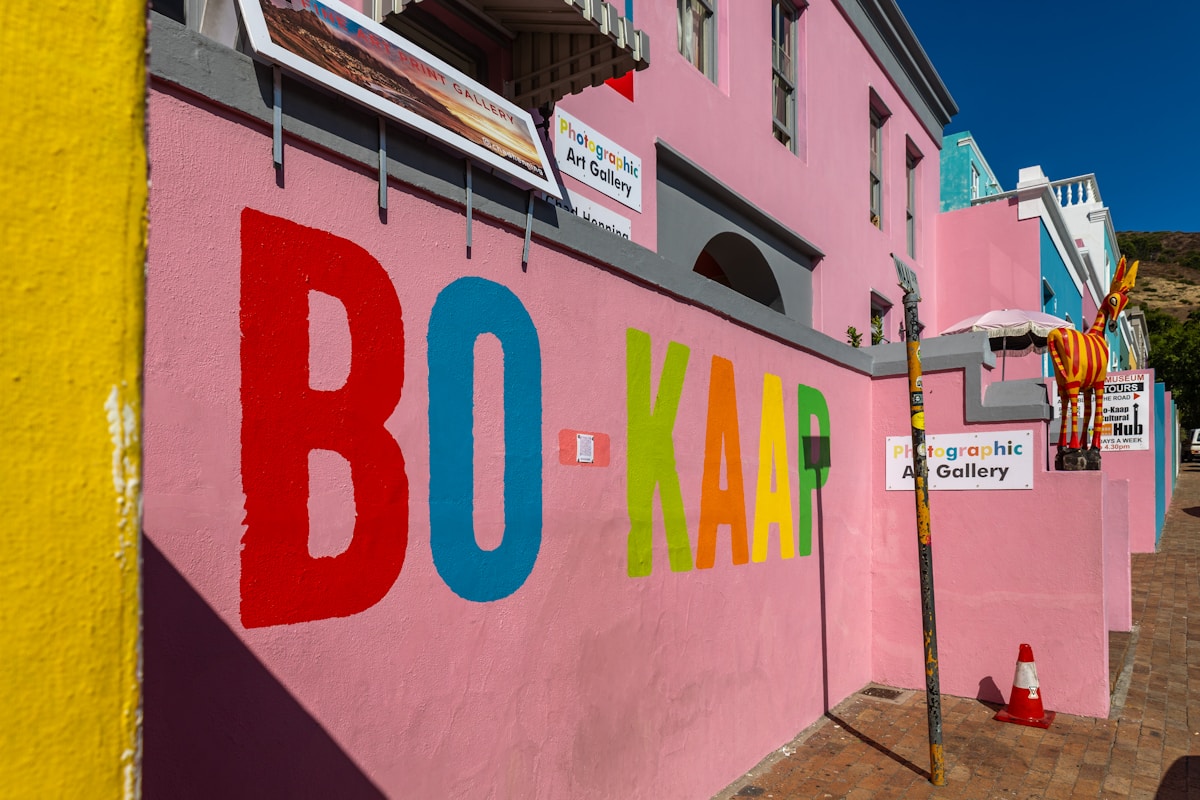
Bo-Kaap sits on the slopes of Signal Hill, a ten-minute walk from the city centre and immediately recognisable from its brightly painted houses. The neighbourhood was settled by enslaved and free Muslim people from the Dutch East Indies in the seventeenth and eighteenth centuries - the Cape Malay community that evolved here brought the cooking traditions that remain central to Cape Town’s culinary identity: slow-cooked curries (denningvleis, a tamarind lamb dish), bobotie (spiced minced meat with an egg custard topping), koeksisters (syrup-drenched dough twists), and an extensive spice lexicon that predates the rest of South Africa’s kitchen culture.
Bo-Kaap Cooking Experience (Bibi’s Kitchen and similar operators) - Two-to-three-hour hands-on classes that cover two or three Cape Malay dishes, typically bobotie, samoosas, and a curry. Hosted in residents’ homes or small group kitchens in Bo-Kaap itself. Cost: approximately R750–1,200 per person (as of 2026), including ingredients and the meal at the end. Book in advance - classes run with small groups (maximum eight to ten people) and fill quickly in December and January. Search GetYourGuide for “Bo-Kaap cooking class” to compare availability.
Bo-Kaap Walking Tour - A guided food-and-history walk through the neighbourhood, stopping at the Bo-Kaap Museum (entry approximately R50), a traditional spice shop on Wale Street, and two or three food stops: freshly fried samoosas, koeksisters, and typically a Cape Malay curry tasting. Operators including Cape Malay Quarter Tours and Coffeebeans Routes run these regularly. Cost: approximately R450–700 per person (as of 2026). Tours typically run two to three hours and depart from the base of Wale Street. No advance booking essential mid-week; essential on weekends and in peak season.
Practical note: The neighbourhood is walkable and calm during the day. Photography of the houses is fine; photography of residents requires asking. The area gets busier with visitors on weekends - weekday tours are quieter.
Township Food Tours: Langa and Khayelitsha
Langa is Cape Town’s oldest township, established in 1923 under apartheid-era pass laws that confined Black South Africans to racially designated areas on the urban periphery. Today it is a working-class community with a strong food culture built around open-fire braai, township-style stews, and street vendors serving vetkoek (deep-fried dough balls filled with curried mince or cheese), pap (maize porridge), and umngqusho (samp and beans).
Coffeebeans Routes: Langa Township Tour - One of the longest-established and most respected cultural tour operators in Cape Town. Their Langa tour combines a walking food route with visits to local taverns (shebeens), spaza shops, and community cooking. The food component includes vetkoek, umngqusho, and a braai at a family home. Cost: approximately R750–1,100 per person (as of 2026), including transport from the city centre. Duration: approximately four hours. Book directly through Coffeebeans Routes’ website - they operate Thursday through Sunday and groups cap at around twelve people.
Khayelitsha Township Food Experience - Several operators including Khayelitsha Cookies and Siyanqoba Tours offer experiences centred on local home cooking: umngqusho, braai meat from a wood fire, umvubo (fermented sorghum), and homemade ginger beer. Khayelitsha is 25km south-east of the city centre - guided tours handle transport. Cost: approximately R600–900 per person (as of 2026) for a two-to-three-hour experience including transport. Search GetYourGuide for “Khayelitsha food tour” for current operators and pricing.
What to expect: These experiences are not scripted - you eat with people who actually live in the neighbourhood. Standards of hygiene in home kitchens are consistently good with reputable operators. Dress practically (closed-toe shoes; avoid expensive jewellery). The food is generous, genuinely home-cooked, and nothing like what you’ll find in a Cape Town restaurant.
Woodstock and the Old Biscuit Mill: Saturday Market Food Scene
The Old Biscuit Mill in Woodstock - a converted Victorian-era factory at 373–375 Albert Road - hosts the Neighbourgoods Market every Saturday from 9am to 2pm. This is the most concentrated food experience in Cape Town without taking a guided tour: roughly eighty food and drink stalls in a semi-enclosed courtyard, with live music and an atmosphere that feels more like a neighbourhood event than a tourist attraction.
What’s at the market: Fresh oysters (R35–55 each, shucked to order), sourdough bread and cultured butter from bakeries including Woodstock Bakery, aged South African charcuterie, Cape Malay samoosas and curries, sushi, Ethiopian injera, wood-fired pizza, specialty coffee from Bean There Coffee Company and others, craft beer from local microbreweries, natural SA wines, and rotating hot food stalls. Expect to spend R150–300 per person for a solid market breakfast or brunch.
The building itself is home to independent retailers, designers, and a few permanent food operators during the week, but the Saturday market is the main draw.
Getting there: Woodstock is a fifteen-to-twenty-minute drive or Uber from the City Bowl (R40–70 each way). Parking is available but limited by 10am - Uber or cycling (the neighbourhood is flat) is more practical. There is no dedicated MyCiTi bus stop directly outside, though the Buitenkant route stops within ten minutes’ walk.
Bay Harbour Market (Hout Bay) is a secondary option for market food - open weekends 9:30am–4pm in a converted harbour warehouse. More casual and less dense than Neighbourgoods but combines well with a Chapman’s Peak drive and is thirty minutes from the city centre.
V&A Waterfront Food Experiences
The V&A Waterfront is predictable in the way that any major tourist precinct is - hotel restaurants, franchise outlets, and high prices for average food. But a few operators and venues here are genuinely worth your time.
Cape Town Fish Market (Quay Six, V&A Waterfront) - An open-fire teppanyaki and fresh fish restaurant with waterfront seating. The sushi and teppanyaki are reliable; the atmosphere is lively on weekends. Expect R200–350 for a main course. Booking recommended Friday and Saturday evenings.
The Waterfront Food Tour - Several operators offer guided food-and-history walks around the Waterfront and de Waterkant that combine three to five food stops (Cape Malay bites, local craft beer, wine, and biltong) with architecture and harbour history. Cost: approximately R550–850 per person (as of 2026), including all food. Duration: two to three hours. Search GetYourGuide for “V&A Waterfront food tour” - these depart daily and suit first-day-in-Cape Town visitors who want an orientation alongside the eating.
Oranjezicht City Farm Market - Now based at Granger Bay in the Waterfront precinct, open Saturdays 8am–1pm. Smaller and more produce-focused than Neighbourgoods, with prepared food from local growers, organic fruit and vegetables, sourdough bakers, and artisan cheese. Cost for a light breakfast: R80–150. Worth combining with an early start at the Waterfront before crowds arrive.
Biscotti Deli and other Waterfront independents - The Waterfront’s interior walkways hold a handful of genuinely independent food businesses alongside the chains. Worth exploring beyond the main clock tower area.
Winelands Wine-and-Food Day Trips
The Cape Winelands sit forty-five minutes to one hour east of Cape Town and combine some of South Africa’s best estate restaurants with a concentrated wine-tasting circuit. A full day here - either self-drive or on a guided tour - is the most substantial food experience in the Cape Town region.
Stellenbosch - The closest and most established wine town (forty-five minutes from Cape Town via the N2). Key estate restaurants for food alongside wine:
- Jordan Restaurant (Jordan Wine Estate, Stellenbosch): seasonal à la carte with estate wines. Lunch approximately R400–600 per person excluding wine. Booking essential. Open Wednesday through Sunday for lunch.
- Tokara (Helshoogte Pass Road): an estate restaurant and deli with panoramic views across the Winelands to False Bay. Lunch R350–550 per person. The deli does excellent cheese and charcuterie plates.
- Spier Farm Kitchen (Spier Estate, accessible via the R310): open-fire South African cooking on a working wine farm - more casual, good for families, approximately R200–350 per person.
Tasting fees across Stellenbosch estates run R150–300 per person and typically include four to six wines.
Franschhoek - Sixty-five minutes from Cape Town via Stellenbosch. Often called South Africa’s culinary capital, and with good reason:
- Bread & Wine Vineyard Restaurant (Moreson Wine Farm): wood-fired pizza and house-made charcuterie in a vineyard setting. Approximately R150–250 for a main. No bookings - first come, open for lunch.
- The Tasting Room at Le Quartier Français: consistently ranks among South Africa’s best fine dining restaurants. Tasting menu approximately R1,500–2,200 per person (as of 2026); wine pairing additional. Essential to book weeks ahead.
- La Petite Ferme (Pass Road, above Franschhoek): lunch on the terrace with views down the valley. Good value: approximately R300–500 per person with wine.
Franschhoek Wine Tram - An open-sided hop-on-hop-off tram that connects estates across the Franschhoek valley. Tickets from approximately R290 per person (as of 2026) for the base circuit; tastings at estates are additional. Runs daily except Monday in summer, weekends only in winter. Practical for visitors who don’t want to self-drive or arrange a designated driver.
Guided day tours from Cape Town typically cover three to four estates across Stellenbosch and Franschhoek with tastings and at least one estate restaurant lunch. Cost: approximately R1,400–2,500 per person (as of 2026) including transport, some tastings, and sometimes lunch. Browse Cape Town food and wine tours for operators with current pricing and availability.
How to Book a Cape Town Food Tour
Booking directly through the operator website usually gives the best flexibility on group size and dietary requirements. GetYourGuide is the most reliable platform for availability, reviews, and instant confirmation — particularly useful if you are arriving soon and want to lock in a date.
By experience type:
| Tour Type | Named Operators | Price Range (2026) | Book |
|---|---|---|---|
| Bo-Kaap walking food tour | Cape Malay Quarter Tours, Coffeebeans Routes | R450–R700/person | View Cape Town tours |
| Bo-Kaap cooking class | Bibi’s Kitchen, local Cape Malay hosts | R750–R1,200/person | View Cape Town tours |
| Langa township food walk | Coffeebeans Routes | R750–R1,100/person | Direct via coffeebeans.co.za |
| Winelands food & wine day | Various, from Cape Town | R1,400–R2,500/person | View Winelands tours |
| V&A Waterfront food walk | Various operators | R550–R850/person | View Cape Town tours |
What to confirm before booking:
- Whether entry fees (markets, museums) are included or additional
- Whether the tour operates in rain (walking tours can be uncomfortable but most run regardless)
- Maximum group size — Bo-Kaap cooking classes cap at 8–10 people and sell out in peak season
- Pickup or meeting point — most food tours are self-arrival at a named corner or landmark
Best booking lead time: Book cooking classes at least a week ahead year-round, two weeks ahead in December–January peak season. Walking tours are more flexible and can often be booked 24–48 hours ahead. GetYourGuide shows live availability and has a refund window for most Cape Town tours if plans change.
Browse all Cape Town food and walking tours with current availability
Best Season and Booking Tips
October to April is the best season for food tours - warm weather, longer daylight hours, and most market operators running at full capacity. December and January are peak season: Neighbourgoods Market is at its busiest, Winelands estates are fully staffed, and cooking class slots fill weeks ahead. Book anything with a fixed group size at least a week in advance during this period.
May to September (winter) is quieter. The Neighbourgoods Market and most operators run year-round, but some Winelands restaurants reduce hours or close Mondays. Township tours are weather-dependent - an afternoon in the rain in Langa is still worthwhile but bring a jacket.
Booking: GetYourGuide has the most consistent availability for guided food tours in Cape Town. For cooking classes and township experiences specifically, booking via operator websites directly (Coffeebeans Routes, Bibi’s Kitchen, Cape Malay Quarter Tours) is often cheaper and gives you more flexibility on group size. For Winelands estate restaurants, book by phone or through the estate’s website directly - OpenTable has limited Cape Town coverage.
Dietary requirements: All Cape Malay cooking class operators can accommodate vegetarian and halal requirements (Cape Malay food is already pork-free). Confirm at booking for specific allergies. Township food experiences involve open-fire meat cooking - vegetarian options are limited but usually available if requested in advance.
See Also
- Cape Town food guide - best restaurants by neighbourhood, local dishes, and wine bars
- Wine tasting in the Cape Winelands - estate-by-estate tasting guide for Stellenbosch and Franschhoek
- Cape Town city guide - full overview including getting around, accommodation, and when to visit
- Cape Town things to do - broader activity roundup beyond food
- Stellenbosch destination guide - the wine capital in detail, with accommodation and logistics
- 3-day Cape Town itinerary - how to fit a food tour and market morning into a short visit
- 7-day Cape Town itinerary - a full week with time for a Winelands day and township experience
- Last-minute tours - same-day food tour and township experience availability if you’re already in Cape Town