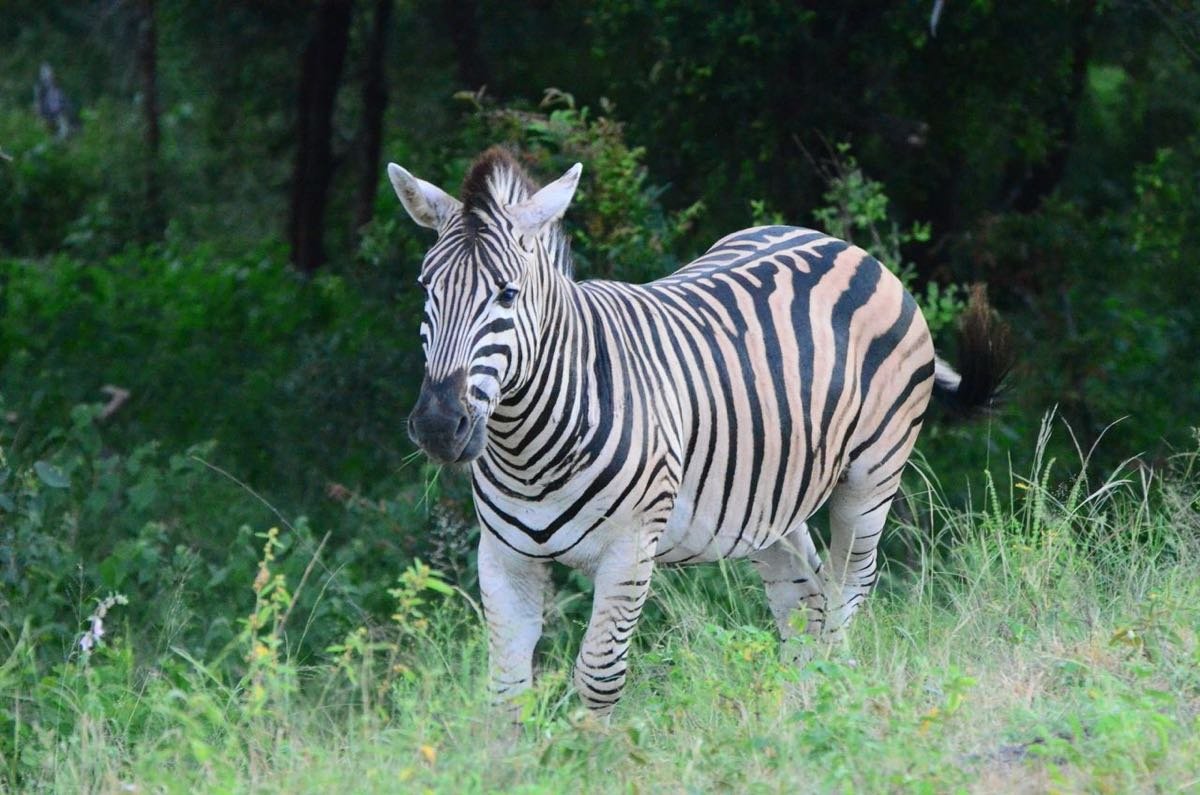
Kruger changes completely between winter and summer. From November to February the park turns green, the rivers run, and the dry-season waterhole crowds disappear. Visitors drop off, rooms get cheaper, and the bush is full of newborn animals and migrant birds. The cost is visibility: thick leaves and plentiful water make animals harder to find, and the heat is serious. This guide explains what the green season really offers, who it suits and how to plan it for 2026-27. Figures are approximate as of 2026. For the full year view, read our best time to visit Kruger guide, and for the park overview, our Kruger National Park guide.
What the green season is
The wet season in the Lowveld runs roughly from October to March. The first storms break the dry spell, grass grows quickly, and by December the park is thick with leaf cover. Rainfall peaks in December to February, usually in short, heavy afternoon thunderstorms rather than day-long drizzle. Mornings are often clear. A Kruger safari tour works well in these months.
| Month | Daytime high | Rain | What to expect |
|---|---|---|---|
| November | 32 to 34°C | Building | First greens, impala lambing begins |
| December | 33 to 35°C | Heavy | Peak births, lush bush, school holiday crowds |
| January | 33 to 36°C | Heaviest | Hot and humid, river levels rising |
| February | 32 to 35°C | Heavy | Still lush, fewer people, occasional flooding |
Flooding can close low-lying roads and bridges, and the park posts closures on the SANParks site and at the gates. Our news piece on Kruger flood recovery shows how long repairs can take.
What you gain
Baby animals. Impala lambs arrive from late November, followed by wildebeest, zebra, kudu and warthog young. Predators concentrate around the calving herds, so action can be spectacular, even if it is less predictable.
Birding. Migrants from Europe and Africa arrive, including European bee-eaters, woodland kingfishers, cuckoos and Wahlberg’s eagles. The park’s bird list exceeds 500 species, and summer is the peak. We recommend a dedicated birding guide in the south near Skukuza.
Fewer vehicles. Outside school holidays, many road junctions that would hold ten cars in July hold one or two. Late January and February are the quietest weeks.
Lower prices. SANParks camps and private lodges often discount from February to March, and many private reserves run “emerald season” rates. Expect savings of roughly 20 to 40% compared with the July to September peak, though the Christmas and New Year window is the exception.
Light and sky. Storm clouds produce better photographs than flat dry-season haze.
What you give up
- Sightings. Without dry-season waterhole concentration, animals roam widely. Big 5 sightings on a self-drive are less likely.
- Heat and humidity. Midday is too hot for activity, and many rest camps rely on pools and air conditioning.
- Malaria. Kruger sits in a malaria zone year round, and risk peaks from November to April. See our health and vaccinations guide and speak to a clinic.
- Road conditions. Some gravel roads turn slick. A high-clearance vehicle helps, though the main tarred loops stay open.
Where to go in the green season
The southern section, around Skukuza, Lower Sabie and Pretoriuskop, has the highest wildlife density and sells out first in school holidays. The central plains around Satara hold the largest numbers of grazers and, with them, lions and hyenas, though the long grass can hide cats. The north, around Letaba and Olifants, is hotter and quieter, with large elephant herds. SANParks bungalows at the main rest camps run approximately R800 to R1,800 per night as of 2026, per our Kruger where to stay guide. Book the day the window opens for 20 December to 5 January.
For a guided stay, private lodges near Hoedspruit and the Sabi Sand offer ranger-led drives with better odds of finding animals in thick bush. Our Sabi Sands lodges guide lists the options.
Self-drive or guided in the green season
We advise a guided drive on at least some days in summer. Rangers read tracks and radio sightings, which counts for a lot when visibility is poor. Self-driving remains possible and cheaper, and the main loops around Skukuza are manageable with a standard car. Our self-drive vs guided safari guide lays out the trade-offs, and our Kruger self-drive guide covers speed limits and gate times. Gates open about 5:30am in summer and close around 6:30pm.
Costs
- Conservation fee. R692 per adult per day for international visitors from 1 November 2026, up from R602, and R345 for children aged 2 to 11. Fees rise each November. The R692 rate applies to 31 October 2027; check sanparks.org for the 2027/28 schedule if you travel later.
- Rental car from Johannesburg. Roughly R450 to R800 per day. See our car rental guide.
- Guided half-day drives. Roughly R900 to R1,800 per person in the park, as of 2026.
- Private lodge in emerald season. Often R6,000 to R12,000 per person per night full board at mid-range lodges, and far higher at the top names.
A Kruger safari tour from Hazyview, Hoedspruit or Johannesburg is the easiest way to combine transport, park fees and a guide in one booking.
A sample 4-day green-season plan
- Day 1: Arrive at Skukuza by midday. Pool at noon, sunset drive on the Sabie River road.
- Day 2: Dawn drive towards Lower Sabie, birding at the dam, lunch at the camp restaurant, afternoon drive back via the H4-1.
- Day 3: Transfer to Satara (about 3 hours with stops) and drive the S100 loop at dusk.
- Day 4: Last morning drive and exit via Orpen or Phalaborwa gate. For a fuller plan, see our 5 days Kruger safari itinerary.
Who should go
The green season suits birders, photographers, families who want warm weather and a cheaper safari, and repeat visitors who already have the Big 5 on their list. If you are on a first safari and want guaranteed sightings, we recommend May to September instead, and our South Africa in November and South Africa in January guides show how the month shifts the odds. If you want a safari without malaria, see Kruger vs Addo. Always check the park’s current alerts on the official SANParks site.
Related guides
- Best time to visit Kruger - month-by-month detail
- South Africa in December - the national picture
- Kruger National Park - hub and things to do