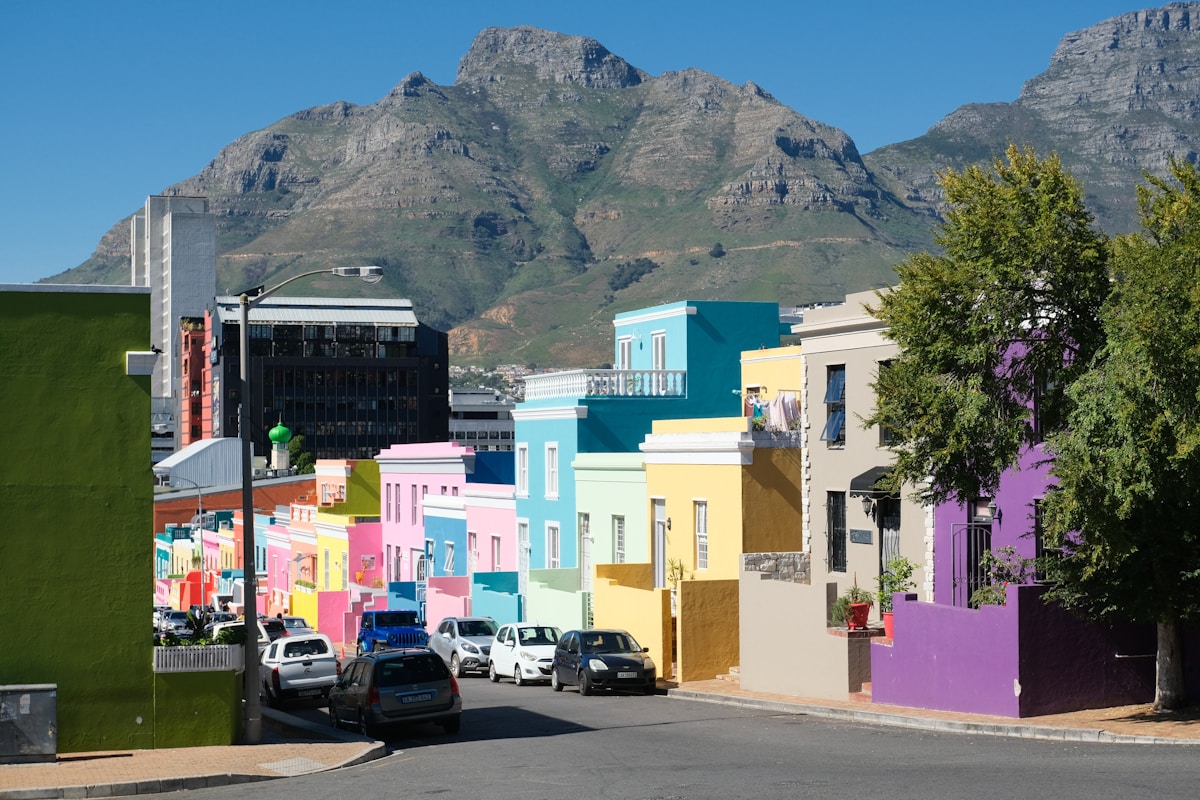
South Africa has a well-documented crime problem. The murder rate is among the highest in the world - approximately 65 per 100,000 people annually, compared to 1 per 100,000 in the UK or 5 per 100,000 in the US. These numbers are real and worth understanding. They are also heavily concentrated in specific communities, areas, and circumstances that tourists rarely encounter.
The version of South Africa that international visitors experience - game parks, Cape Town, the Garden Route, the Winelands, Johannesburg’s main tourist circuit - is a different country to the one reflected in national crime statistics. Understanding the difference, and knowing what precautions actually matter, is the point of this guide.
The Context Behind the Statistics
South Africa’s crime is highly unequal in its distribution. Violence is concentrated in townships and low-income urban areas where gang activity, unemployment, and social instability intersect - not in areas frequented by tourists. The communities in Khayelitsha, Nyanga, and parts of the Cape Flats account for a disproportionate share of Cape Town’s homicide statistics; the V&A Waterfront and Camps Bay account for almost none.
This doesn’t mean tourists face zero risk. It means the risks tourists face are primarily property crimes - bag snatching, phone theft, smash-and-grab car break-ins, and opportunistic mugging - not the violence that drives the headline statistics.
The practical implication: the precautions needed are modest and specific, not a reason to avoid the country.
High-Risk Areas for Tourists
Johannesburg CBD
The Johannesburg city centre is the area in South Africa where tourists most frequently encounter serious problems. On foot, particularly after business hours, the CBD is high-risk: phone snatching, mugging, and general insecurity are documented and frequent. This is not a matter of perception - the Johannesburg CBD after dark is genuinely dangerous for unfamiliar pedestrians.
Practical response: Don’t walk in the CBD. Uber to Constitutional Hill, to the Neighbourgoods Market in Braamfontein, or to the edges of the CBD in daylight. Stay in Sandton, Rosebank, or Maboneng - all of which are managed and broadly safe for informed visitors.
Other Joburg suburbs to avoid on foot: Hillbrow, Berea, Jeppestown. These are not tourist areas and there’s no reason a visitor would need to be there.
Certain Cape Town Townships
Cape Town’s Cape Flats - including parts of Khayelitsha, Nyanga, Gugulethu, and Mitchells Plain - carry genuine risk outside of organised, guided township tours. These are communities, not tourist zones. Visiting independently and uninvited is inadvisable.
Organised township tours (run by local operators with resident guides) are a different matter - they’re structured, the operators know the areas, and they run safely. Ask your accommodation to recommend a reputable operator.
Search hotels in Cape Town on Booking.com
Durban Central at Night
Durban’s city centre after dark requires the same level of care as Johannesburg’s CBD. The Golden Mile beachfront and Florida Road are broadly safe in the evenings; the CBD and areas west of the centre are not.
Safe Tourist Zones
The following areas are frequently visited and broadly safe for tourists who follow standard urban precautions:
Cape Town: V&A Waterfront, City Bowl (daytime), Bo-Kaap, De Waterkant, Sea Point, Camps Bay, Clifton, Southern Suburbs, Kirstenbosch, Simon’s Town. The entire Cape Peninsula, the Winelands, and the Overberg coast.
Johannesburg: Sandton, Nelson Mandela Square, Rosebank (including Sunday Market), Maboneng (daytime and early evenings), Soweto on a guided tour, the Apartheid Museum, the Cradle of Humankind.
Durban: Golden Mile (daytime and early evenings), uShaka Marine World, Florida Road, Umhlanga, The Oyster Box and surrounding beachside areas.
National parks and game reserves: Kruger, Addo, Hluhluwe–iMfolozi, and all SANParks reserves. Crime is essentially non-existent inside park boundaries.
Garden Route and Western Cape coast: Mossel Bay, Knysna, Plettenberg Bay, Hermanus, Stellenbosch, Franschhoek - all broadly safe tourist towns.
Specific Precautions That Make a Difference
Use Uber Everywhere in Cities
This is the single most effective thing a tourist can do. Uber is widely available in Cape Town, Johannesburg, Durban, and most other urban centres. The app works exactly as expected. Never flag a street taxi or minibus - metered taxis in South Africa are inconsistently safe, and minibus taxis are not appropriate for tourists. Uber drivers are rated, tracked by GPS, and the fare is pre-agreed. A trip within the city typically costs R40–120.
Don’t Use Your Phone on the Street in Major Cities
In Johannesburg and Durban, phone snatching - someone grabbing your phone while you’re looking at it - is common and happens quickly. In Cape Town it’s less prevalent but not absent. Look at your phone inside a café, restaurant, or inside an Uber, not while standing on a pavement or at a road crossing.
Keep Valuables Out of Sight in Vehicles
Smash-and-grab theft - where a window is broken while stopped at a traffic light and a bag grabbed from the seat - is an established pattern particularly in Johannesburg and Durban. Keep bags in the boot rather than on seats, keep windows up, and keep doors locked. If you hire a car, put everything in the boot before you get to populated areas.
Carry Minimal Cash
South Africa is broadly cashless in tourist-facing businesses - card payments are standard everywhere. Carry R200–400 in cash for small purchases, market stalls, and tipping. Don’t carry large amounts; don’t display your wallet in crowded markets.
Don’t Leave Valuables in Parked Cars
In Cape Town especially, break-ins to parked cars occur, particularly in unsecured car parks and quiet streets. Never leave anything visible in a car - a phone charger or shopping bag left visible can be enough to attract a break-in. Use guarded car parks (shopping centres, marked pay-and-display garages with attendants) where possible.
Be Alert to Carjacking Context
Carjacking exists in South Africa, concentrated in Johannesburg and to a lesser extent Durban. It typically occurs when a driver is distracted or stopped - at traffic lights, at petrol stations, at gated driveways. Awareness is the primary defence: keep moving when you can (not stopping needlessly), keep doors locked, and park in well-lit, staffed areas. It is rare in tourist areas and on game drive routes; it is a real risk in certain Johannesburg suburbs after dark.
Use Uber From Airports
At OR Tambo International (Johannesburg) and Cape Town International, the official taxi and shuttle services are reliable and recommended. However, illegal operators do approach arrivals. Use the airport Uber pickup zone - it’s marked - or use a hotel transfer service booked in advance. At Johannesburg airport specifically, don’t accept rides from anyone who approaches you inside the arrivals hall.
Common Scams to Know
South Africa’s tourist scams are not elaborate - they rely on distraction and goodwill more than deception. These are the ones worth knowing before you arrive.
The friendly stranger at the airport. Someone approaches at arrivals, claims to recognise you or know your hotel, and offers to help with bags or directions. They will ask for money for petrol, a phone call, or a bus ticket at the end. Politely decline unsolicited help and head directly to the Uber pickup zone.
Fake or unofficial tour guides. At popular sites - Robben Island ferry queue, Township entry points, V&A Waterfront - people approach offering tours or “shortcuts” to buy tickets. Only buy tours through official operators or your accommodation. Robben Island tickets must be bought in advance through the official website at full price.
ATM skimming and distraction. In city ATMs, particularly in busy areas, a common technique is for someone to “help” you with a machine or distract you while an accomplice observes your PIN or swaps your card. Use ATMs inside banks or reputable shopping centres (Woolworths, Pick n Pay). Cover your PIN physically. If your card is retained by a machine, call your bank immediately from a different phone before moving away. See our money and cards guide for safe ATM practice and the best cards to use in South Africa.
Fake parking attendants. In most South African cities and towns, informal parking attendants (wearing reflective vests) watch your car and expect a tip (R5–10). However, there are also people who put on a vest and collect money without any legitimate role. You have no obligation to pay anyone who approaches you aggressively; paying R5–10 is a social norm, not a fee.
The petrol money / bus ticket story. A well-dressed person claims to be stranded and just needs R50–100 for petrol to reach their family / a bus ticket home. This is a high-frequency script across all major cities. It’s rarely genuine. Acknowledging and declining (“sorry, I can’t help”) is fine.
Overcharging unlicensed taxis. Anyone who approaches you at an airport or tourist site offering a ride for a negotiated price is likely unlicensed and almost always more expensive than Uber. The price will be set before the journey and may double by the time you arrive. Use Uber - the price is fixed and the driver is identifiable.
Phone grab while navigating. Not technically a scam but worth including here: in Cape Town and Durban city centres, someone may approach asking for directions while watching your phone screen. An accomplice can grab it while your attention is on the conversation. Keep your phone face-down or put it away when anyone initiates conversation on the street.
The pattern across almost all tourist-relevant crime in South Africa is opportunism, not targeting. The standard response - awareness, not engaging with unsolicited approaches, using Uber, not displaying expensive items - deals with the vast majority of it.
Load Shedding and Its Impact on Travel
South Africa’s national grid operates scheduled power cuts (load shedding) due to generating capacity shortfalls. Eskom, the state utility, schedules cuts in 2–4 hour blocks across different areas of the country. This is a logistical inconvenience rather than a safety issue, but it’s worth knowing:
- Traffic lights go out during load shedding - all intersections become four-way stops by convention, but not all drivers observe this. Drive cautiously at dark intersections.
- Security systems - most hotels, shopping centres, and guesthouses have backup generators that kick in immediately, so guest areas and common spaces aren’t typically affected.
- Restaurants and shops may close early if load shedding affects their area without generator backup.
- Check the Eskom load shedding schedule (eskom.co.za or the EskomSePush app) to know when power cuts are expected in your area.
Load shedding schedules are divided into “stages” (Stage 1 through Stage 8) - the higher the stage, the more frequent the cuts. Stages 1–2 are liveable; Stage 4+ affects most areas for several hours per day. The situation has improved somewhat since 2024 but has not been resolved.
Travel Insurance
Travel insurance is essential for South Africa, specifically for medical cover. South Africa has a two-tier healthcare system: public hospitals are intended for residents and are not appropriate for tourists in an emergency. Private hospitals (Netcare, Mediclinic, Life Healthcare) are excellent - Cape Town and Johannesburg have world-class facilities - but they’re expensive without insurance.
Medical evacuation is an additional consideration if you’re visiting Kruger or remote areas. A helicopter evacuation from inside Kruger to a Nelspruit hospital costs R40,000–80,000+ without cover.
See the travel insurance guide for what to look for in a policy covering South Africa, including safari activities and malaria-zone cover.
For a full breakdown of travelling alone - including safety by neighbourhood, how to meet other travellers, and the best solo bases - see our solo travel guide.
For city-specific safety context before planning, see the Cape Town guide, Johannesburg guide, and Durban guide.
Summary
South Africa’s crime is real and documented. It is also heavily concentrated in specific contexts and communities that tourists rarely encounter when following standard precautions. The millions of visitors who arrive each year overwhelmingly leave without incident.
The practical rules are straightforward: use Uber, don’t walk in CBDs at night, keep valuables out of sight, stay in the known tourist zones, and carry a sensible amount of cash. These habits eliminate the vast majority of tourist-relevant risk.
South Africa is a country where the rewards - the landscapes, wildlife, food, and cultural depth - are exceptional. A clear-eyed understanding of the safety environment, rather than either dismissal or excessive fear, is what allows visitors to engage with it fully.
| City | Relative risk for tourists | Key precaution |
|---|---|---|
| Cape Town (tourist zones) | Low–moderate | Uber, don’t walk CBD at night |
| Cape Town (Cape Flats) | High | Don’t visit independently |
| Johannesburg (Sandton/Rosebank) | Low–moderate | Uber everywhere |
| Johannesburg (CBD/Hillbrow) | High | Avoid on foot |
| Durban (Golden Mile) | Low–moderate | Uber, don’t walk CBD at night |
| Kruger and game reserves | Very low | No meaningful crime risk |
| Garden Route | Low | Standard city precautions in George |
| Winelands | Very low | Standard precautions |
Ready to plan your trip? Travel Insurance for South Africa, Tours & Activities in Cape Town, or eSIM for South Africa.
Planning Resources
- Cape Town city guide - safety in detail, Uber logistics, and safe zones
- Johannesburg city guide - Sandton, Maboneng, and Soweto with safety context
- Durban city guide - Golden Mile and Indian Quarter with safety notes
- Getting around South Africa - Uber, Gautrain, and avoiding unsafe transport
- Solo travel in South Africa - specific guidance for solo travellers
- South Africa country guide - full overview including regions, logistics, and planning
Plan Your Trip
✈️ Book your flights to South Africa 🛡️ Get travel insurance 📱 Stay connected with an eSIM 🚗 Rent a car