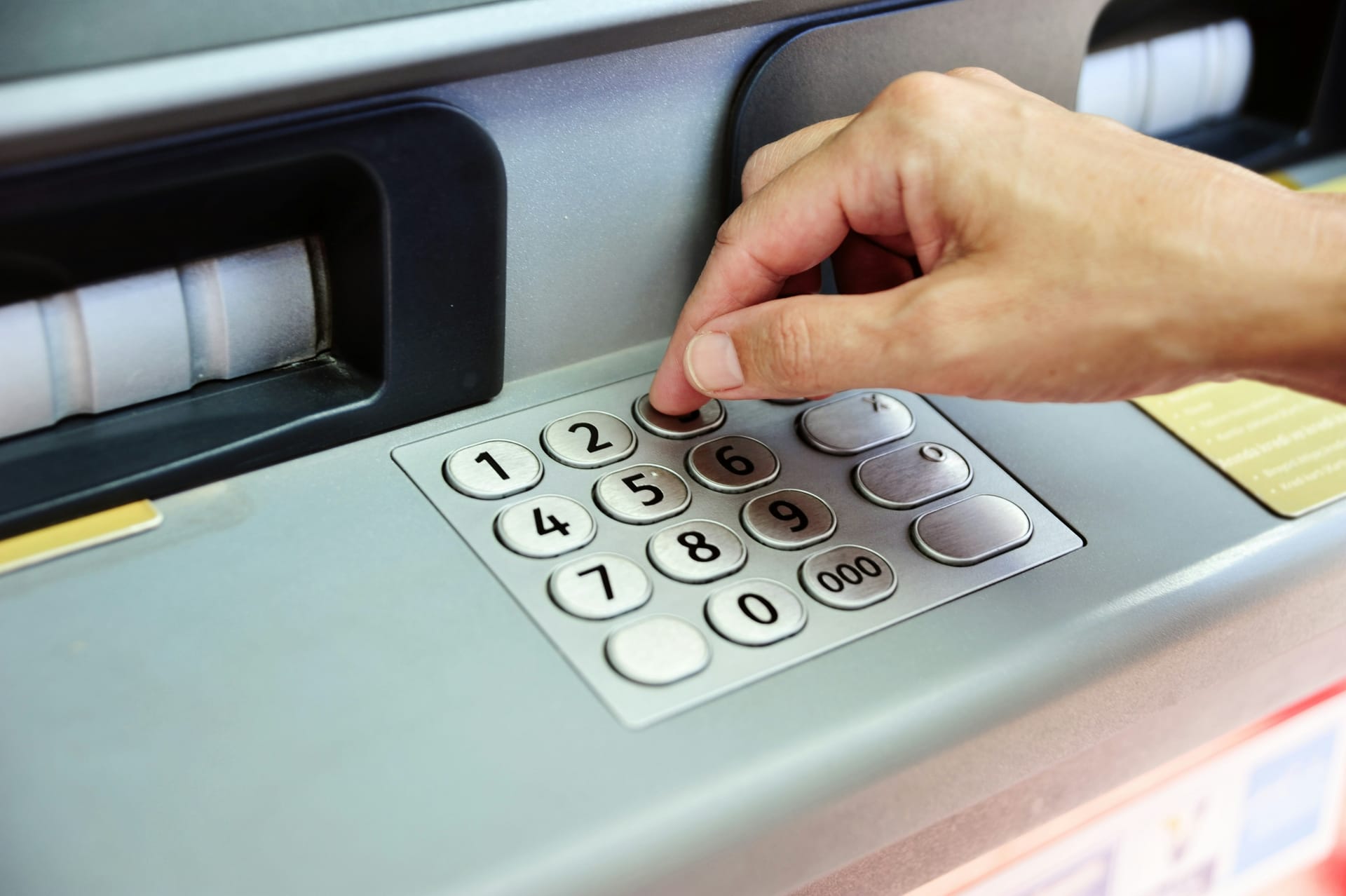
South Africa runs almost entirely on the South African Rand (ZAR), and understanding how money works here — from ATM networks to card acceptance to cash safety — will save you from overpaying, getting caught short, or worse, becoming a target for opportunistic theft. This guide covers everything you need to know before you arrive.
South African Rand: The Basics
The South African Rand (ZAR, symbol R) has historically been volatile against major currencies. As of 2026, rough conversion rates are:
- R18–19 to USD 1
- R23–24 to GBP 1
- R20–21 to EUR 1
These shift regularly — check rates the week before you travel and again on arrival. The rand weakens meaningfully during periods of political uncertainty or global risk-off sentiment, which has been relatively frequent.
Banknotes come in denominations of R10, R20, R50, R100, R200. Coins cover R1, R2, R5 and smaller cent denominations (50c is the most common). Keep R10 and R20 notes on hand for small tips, petrol attendants, and car guards — these are part of daily life in South Africa and expecting R200 change from a R5 tip will put everyone in an awkward position.
ATMs in South Africa
ATM coverage is excellent in South Africa’s major cities and well-travelled tourist routes. You will find ATMs at airports, shopping malls, petrol stations, and most town centres. Remote rural areas and smaller towns on the Garden Route or Kruger surrounds have fewer machines — plan ahead in those areas by withdrawing before you leave a city. If you are hiring a car in South Africa, withdraw enough cash before departing any major city.
The Four Main Networks
South Africa’s ATM network is dominated by four major banks:
- Absa (Amalgamated Banks of South Africa) — the largest ATM footprint nationwide; Absa machines are found in virtually every mall, petrol station forecourt, and major town
- FNB (First National Bank) — strong urban coverage, particularly in Johannesburg and Cape Town; FNB machines often have slightly faster queues at airport branches
- Nedbank — widely distributed across shopping centres; Nedbank ATMs tend to have good reliability and are well-maintained in tourist areas
- Standard Bank — excellent coverage in KwaZulu-Natal including Durban; Standard Bank has a large presence in rural areas as well
All four accept international Visa and Mastercard debit/credit cards. The ATMs themselves are technically identical from a foreign card perspective — the key differences are queue length and machine availability, not card compatibility.
Fees to Expect
Foreign card withdrawals in South Africa typically attract two charges:
- Local bank fee: Approximately R25–R50 per withdrawal (as of 2026), charged by the South African bank operating the ATM. This is non-negotiable.
- Your home bank’s foreign transaction fee: Typically 1.5–3% of the withdrawal amount, depending on your bank and card type.
To minimise fees, withdraw larger amounts less frequently — R3,000–R5,000 at a time rather than R500 multiple times a day. If your home bank offers a fee-free travel card (Wise, Revolut, Charles Schwab in the US, Monzo in the UK), these eliminate or significantly reduce the international portion of fees.
ATM daily withdrawal limits are typically capped at R3,000–R5,000 per transaction for foreign cards, and your home bank’s own daily limit applies on top. If you need R10,000 for a safari camp deposit, plan to withdraw across multiple days.
City-by-City ATM Notes
Cape Town: ATM access is excellent throughout the City Bowl, Waterfront, and southern suburbs. The V&A Waterfront has multiple bank ATMs inside the mall and at the parking structure entrances. Avoid isolated ATMs on the foreshore at night — use mall or petrol-station machines instead.
Johannesburg: ATMs are abundant in Sandton, Rosebank, and the OR Tambo International Airport arrivals hall. The airport FNB and Absa machines are open 24 hours and are well-lit and monitored. Avoid ATMs in the Johannesburg CBD unless you are familiar with the area — rather use Sandton or Rosebank locations.
Durban: Standard Bank and Absa have strong coverage along the Golden Mile beachfront and in the Gateway Theatre of Shopping in Umhlanga. Avoid ATM use after dark in the area around Durban CBD waterfront — use your accommodation’s concierge advice on the safest nearby machines.
Which Cards Work Best
Visa and Mastercard are universally accepted at hotels, restaurants, car rental agencies, supermarkets, and most tourist attractions. You can travel South Africa almost entirely cashless in cities and formal tourist infrastructure.
American Express (Amex) acceptance is patchy. Upmarket hotels in Cape Town and Joburg often take it, but most restaurants, petrol stations, and smaller guesthouses do not. Never rely on Amex as your only card.
Diners Club and Discover are rarely accepted outside luxury properties.
Practical card setup for South Africa:
- Primary: Visa or Mastercard debit or credit card
- Backup: second Visa/Mastercard from a different bank (in case of card skimming)
- Cash reserve: R2,000–R3,000 ZAR for tips, markets, car guards, and areas with no card machines
Chip and PIN vs Contactless
South African card terminals require chip and PIN as standard. Contactless payment (tap) is increasingly available at supermarkets (Woolworths Food, Pick n Pay, Checkers) and restaurant chains, but is not universal at smaller venues. Ensure your PIN works on your card before travelling — magnetic stripe fallback is rare and increasingly disabled.
Tipping Culture
Tipping in South Africa is not optional in the way it sometimes is elsewhere — for many workers in hospitality and tourism, tips constitute the majority of their effective income. The customary rates as of 2026:
| Context | Expected tip |
|---|---|
| Sit-down restaurants | 10–15% of the bill |
| Cafés and casual dining | R10–R20, or round up |
| Safari guides (full day) | R200–R500 per person per day |
| Hotel porter | R10–R20 per bag |
| Petrol station attendants | R5–R10 (they fill your tank, clean windows) |
| Car guards (parking attendants) | R5–R10 on return to your vehicle |
| Taxi/Uber drivers | Round up or R10–R20 for good service |
Always tip in cash. Adding a tip to a card payment is technically possible in some restaurants, but cash tips in ZAR go directly to the worker rather than being processed through payroll systems that may deduct costs. For a more detailed breakdown, see our full tipping guide for South Africa.
Currency Exchange: Airport vs City Rates
Avoid exchanging currency at the airport beyond what you need for immediate transport. Airport bureau de change desks (Travelex and others) offer rates typically 5–8% worse than mid-market, in addition to flat fees of R50–R150 per transaction.
Better options:
- Rennies Travel (Thomas Cook affiliate): Branches in Cape Town, Joburg and Durban city centres offer competitive rates, usually within 2–3% of mid-market
- Bidvest Bank: Airport branches and city offices; better rates than generic bureau de change at the same airports
- Your own bank’s ATM: For most international visitors, simply withdrawing ZAR directly from an ATM at a local bank provides a rate close to mid-market, with only the bank’s flat fee on top
- Wise or Revolut cards: If pre-loaded in your home currency and used at South African ATMs, these consistently beat all physical exchange options by a significant margin
Do not exchange money with unofficial street traders — counterfeit rand is uncommon but the exchange rate offered is always deeply unfavourable, and the interaction creates an unnecessary risk.
Cash Safety Tips
South Africa has a real (not hypothetical) problem with ATM fraud, card skimming, and opportunistic theft of cash. A few practices significantly reduce your risk:
- Use ATMs inside shopping malls or petrol stations, not isolated kerbside machines. Malls have security cameras and guards.
- Cover the keypad with your other hand when entering your PIN — card skimming rigs sometimes attach cameras to the keypad surround
- Do not accept help from strangers at ATMs. A common scam involves someone “helpfully” distracting you while a partner films your PIN or swaps your card
- Keep daily cash to what you need. Carrying R5,000 in cash is unnecessary in most tourist areas — withdraw what you plan to spend that day
- Use a money belt or concealed pouch in busy areas like the Cape Town waterfront, Joburg CBD, and Durban beachfront
- Split cash and cards between wallet, bag, and hotel safe — losing everything in a single pickpocket incident is avoidable
- Hotel safes are standard in most mid-range and upmarket accommodation — use them for your passport, backup card, and cash reserve
If your card is skimmed or cloned, contact your bank immediately. South African banks have 24-hour fraud lines and can freeze cards within minutes. Travel insurance for South Africa can also cover losses from card fraud and cash theft — worth having as a backstop before you travel.
South Africa’s banking infrastructure is sophisticated by African standards, and foreign visitors with a Visa or Mastercard will find the mechanics of money genuinely easy. The main risks are fee creep from multiple small withdrawals and opportunistic theft in busy urban areas — both of which are manageable with a bit of forward planning. If you’re also sorting mobile connectivity, an eSIM for South Africa can be activated before departure and avoids the hassle of hunting for a SIM on arrival.