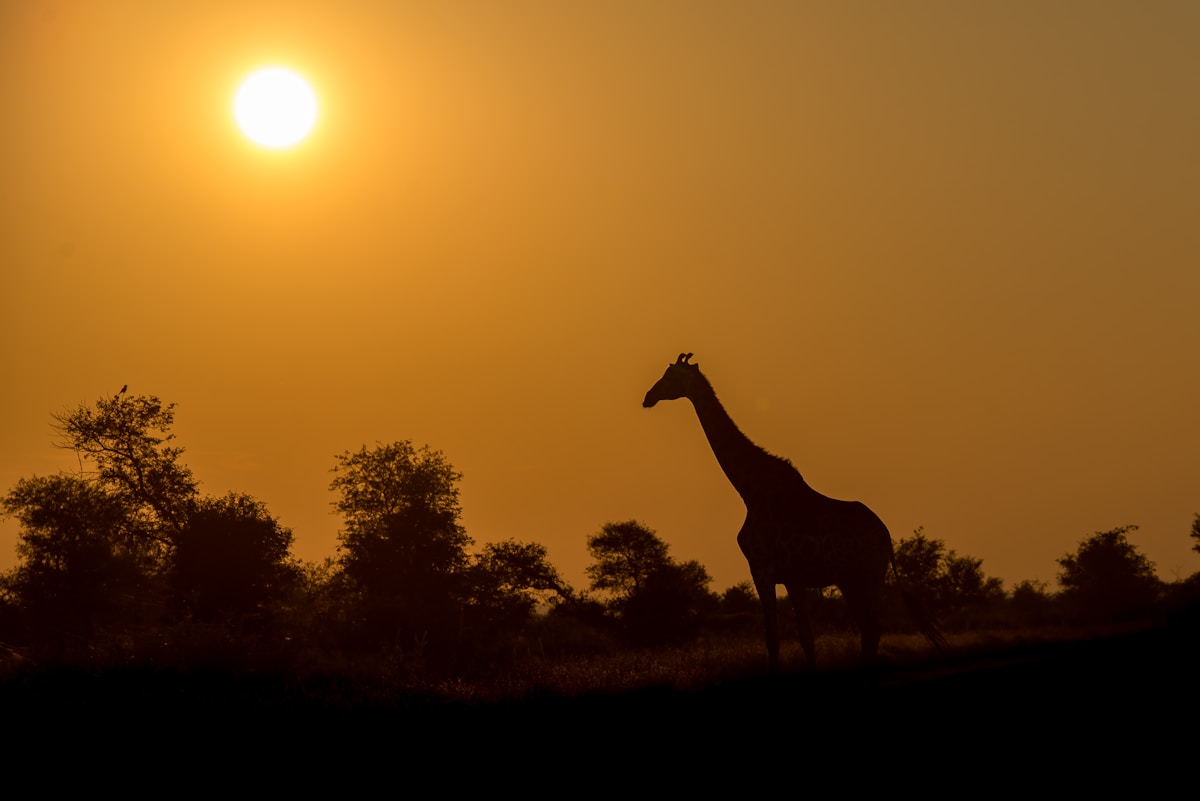
June is one of the best months in South Africa for wildlife - Kruger’s dry season peaks, whale watching begins at Hermanus, and the famous sardine run unfolds along the KwaZulu-Natal coast. Cape Town is in full winter, which is fine for city exploration but not for beach holidays.
Kruger in June: School Holiday Rush, Near-Freezing Dawns, and Exceptional Big Five Sightings
June is outstanding for Kruger. The park is at its driest: trees are bare, grasses are short, and the large mammals concentrate at the remaining water sources in predictable, visible locations. Early-morning drives are cold (near-freezing in the far north) but productive - lions, leopards, and cheetahs are often active in the first two hours after dawn.
South African school winter holidays fall in late June and July, so Kruger camps and private lodges fill up faster than at any other time of year. Book well ahead - SANParks camps are often fully booked months in advance for this period. Malaria risk is at its lowest of the year during the dry season, though prevention medication remains standard practice.
Search hotels in Johannesburg on Booking.com
The private game reserves bordering Kruger (Sabi Sands, Timbavati) also peak in June-August. If budget allows, a private lodge offering off-road driving and walking safaris delivers a very different and often more rewarding experience than self-driving within Kruger itself. Our 5-day Kruger safari itinerary covers the best camps, driving circuits, and timing for the peak dry season.
The Sardine Run - KwaZulu-Natal Coast
June marks the beginning of the sardine run, one of the planet’s great wildlife spectacles. Billions of sardines migrate northward along the KwaZulu-Natal coast from the Eastern Cape, pursued by dolphins (pods of thousands), sharks (bronze whalers, blacktips, and occasionally bull sharks), Bryde’s whales, and diving Cape gannets. The run typically occurs in June and July, with peak activity along the Wild Coast and Durban’s South Coast.
Boat-based viewing trips depart from Port St Johns and Durban. The sardine run is weather-dependent and not guaranteed on any particular day, but when it happens, it’s extraordinary. Local operators track the shoals and can get you into the action. For full operator comparisons, timing windows, and where to base yourself, see the sardine run guide.
Whale Watching - Hermanus
Southern right whales return to Walker Bay from late May, and by June, reliable sightings begin from the cliff path at Hermanus. The town is still quiet in early June before the school holidays arrive. The cliff path walk is spectacular and free - 12 km of coastline access with whales visible offshore.
Peak whale numbers build through July and reach their high point in August and September. See Where to Stay in Hermanus for cliff-path hotels and town-centre guesthouses.
National Arts Festival - Makhanda
The National Arts Festival in Makhanda (formerly Grahamstown) in the Eastern Cape is Africa’s largest arts festival, typically running for 10 days in late June and early July. The festival features theatre, dance, music, visual arts, comedy, and a large fringe programme. If you’re in the Eastern Cape, it’s worth planning around - though accommodation in Makhanda books out entirely during the festival.
Cape Town in June: Wettest Month - Cold Fronts, 50% Off Accommodation, Indoor Season
June is Cape Town’s wettest month. Cold fronts arrive from the Southern Ocean, bringing heavy rain and strong westerly winds. Temperatures range from 10-17°C, and mountain hikes are frequently clouded out.
The upside: Cape Town is empty and cheap. Accommodation prices drop to their lowest - often 50-60% below December rates. Restaurants are easier to book. The city’s cultural scene - museums, galleries, markets - is unchanged. The Zeitz MOCAA contemporary art museum, the V&A Waterfront, and Cape Town’s restaurant scene all work well regardless of weather.
Sardine Run Timing and Kruger School Holiday Booking: June Checklist
- Book Kruger camps months ahead for the school holiday period (late June-July)
- Sardine run activity is tracked daily - local operators provide updates on shoal movements
- Whale watching at Hermanus is beginning - early June is a lower-key time to visit
- Warm layers are essential for Kruger dawn game drives - temperatures can drop below 5°C
- Cape Town accommodation is at its cheapest of the year
Plan Your Trip
If the sardine run is a priority, base yourself around Port St Johns or Scottburgh on the KZN South Coast - operators track the shoals daily and get you out when the action arrives. Timing is unpredictable (the run can peak anywhere from late June to mid-July), so build buffer days into your schedule.
The National Arts Festival in Makhanda runs for around 10 days in late June - Africa’s largest arts event, with theatre, comedy, and fringe shows across the town. Accommodation books out entirely during festival days. For Kruger, late June school holidays push camps to capacity; Satara and Lower Sabie are most in demand - book both well in advance or consider Olifants camp as an alternative.
🎟️ Safaris & tours in Kruger 🏨 Hotels in Hermanus 🛡️ Travel insurance
See Also
- Best time to visit South Africa - month-by-month comparison across all regions
- Whale watching at Hermanus - June marks the start of the season
- Kruger National Park guide - peak game viewing month
- 5-day Kruger safari itinerary - planning the game viewing in June
- Where to stay in Kruger - camp and lodge guide for the dry season
- South Africa safari cost guide - full budget breakdown for planning a safari
- Travel insurance for South Africa - malaria emergency cover and medical evacuation for Kruger
- South Africa in May - previous month
- South Africa in July - next month: school holidays, peak safari demand