May marks a clear shift in South Africa’s seasonal rhythms. Cape Town’s summer has ended - the city becomes quieter and cooler - while the safari regions enter their prime dry-season game-viewing period. For travellers willing to adapt to two very different climates in one trip, May offers outstanding value.
Kruger in May: Dry Season Firmly Established - Animals Concentrate at Waterholes
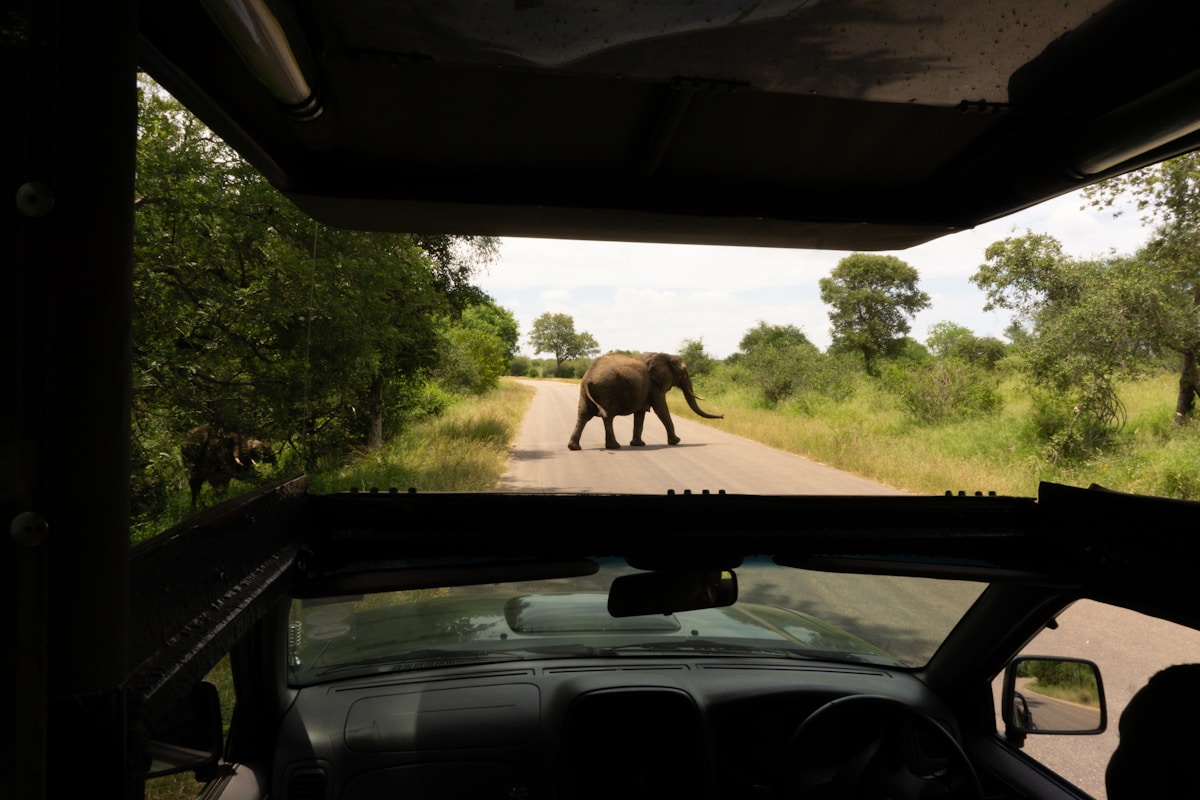
May is excellent for Kruger and the wider safari circuit. The dry season is well advanced: vegetation is now sparse and golden, the temporary waterholes have dried up, and permanent rivers and known pans draw wildlife reliably. Lions, elephants, buffalo, and hippos congregate at these points with increasing predictability.
Temperatures are comfortable: 28-30°C during the day, dropping to 10-12°C at night - cool enough to require a jacket on early-morning game drives. Accommodation prices haven’t yet hit the July-August peak, and crowds are lighter than mid-winter, making May a particularly good value proposition for safaris.
Search hotels in Cape Town on Booking.com
Malaria transmission risk continues to decrease through May, but prevention medication remains the standard recommendation for Kruger, northern KZN, and Limpopo. The Sabi Sands and Timbavati private reserves bordering Kruger offer off-road driving and walking safaris, and May availability is easier to secure than during the school holiday months. Our 5-day Kruger safari itinerary gives a practical guide to camps, self-drive circuits, and what to expect in the prime dry season. See Where to Stay in Kruger for rest camp and private lodge options.
AfrikaBurn (Early May)
If AfrikaBurn falls in early May (dates shift annually between late April and early May), the Tankwa Karoo desert event may coincide with your travel plans. This is South Africa’s largest participatory arts festival - a week-long gathering with large-scale installations, performance art, and a gift economy. The event affects Cape Town accommodation and car hire availability.
Cape Town in May: Winter Begins - Mountains to Yourself, Winelands Bare and Beautiful
May is the beginning of Cape Town’s winter. Rain becomes more regular, temperatures drop to 13-20°C, and the Cape Doctor wind is largely replaced by cold fronts from the southwest. The city is at its emptiest in terms of tourists, with accommodation prices at their lowest - often 40-60% below December rates.
Clear days in May can be spectacular: crisp mountain air, snow possible on high peaks, and the city almost entirely to yourself. Table Mountain is frequently cloud-free in the morning before fronts arrive. The Cape Point drive is peaceful in May - the wildlife is unchanged (penguins, baboons) but the crowds are absent.
The Winelands in autumn take on a different kind of beauty: bare vines, golden foliage, and quiet country roads. Restaurant tables are easy to book. For anyone interested in Cape Town as a city destination rather than purely a beach holiday, May is underrated.
Garden Route in May: Cool Hiking Conditions, Otter Trail at Its Least Crowded
The Garden Route is drier in May than in the depths of Cape winter (June-August). Temperatures hover around 16-20°C - comfortable for hiking and outdoor activities. The Otter Trail and the Tsitsikamma forest are accessible and uncrowded. May is a solid month for driving the route, though daylight hours are shorter than summer.
KwaZulu-Natal in May: Durban Still Warm, Drakensberg Hiking Season Opens
Durban and the KZN coast remain warm and pleasant in May (22-26°C), with the summer humidity easing. This is one of the best months for Drakensberg hiking - lower-altitude passes are clear and dry, wildflowers are finished but the scenery is outstanding. The Sani Pass drive to Lesotho is accessible, though early snowfall occasionally closes the summit.
May Across Three Climate Zones: Autumn in Cape Town, Dry Season in Kruger, Warm Durban Coast
The three climate zones diverge sharply in May. Cape Town (Mediterranean) enters its rainy season with cool, grey days. Johannesburg and the highveld experience dry, sunny autumn weather with cold nights - the city’s most pleasant season for sightseeing. Durban (subtropical) stays warm and increasingly dry. A combined trip can work well: dry-season safari in Kruger, autumn culture in Johannesburg, and a coastal finish in Durban - all with excellent May weather.
May at a Glance: Region-by-Region Conditions
| Destination | Conditions | Verdict |
|---|---|---|
| Kruger | Dry season, excellent game viewing | Excellent |
| Cape Town | Mild, increasing rain, quiet | Good for city visits |
| Garden Route | Mild, drying | Good |
| Durban/KZN coast | Warm, dry | Good |
| Johannesburg | Dry, clear, cool nights | Excellent for city visits |
Plan Your Trip
May is when Kruger’s dry season properly begins. Satara and Lower Sabie are the most productive camps for Big Five sightings - both sit in the southern and central sections where lion and leopard density is highest. Book SANParks camps at least 3 months ahead; May isn’t school holiday season so availability is better than June–August, but popular camps still fill up.
For Joburg-based visitors, Pilanesberg Game Reserve is a strong alternative - a 4-hour malaria-free drive with reliable elephant, rhino, and lion. If the Garden Route is also on the list, May offers mild weather and quiet roads. Cape Town is pleasant but increasingly rainy by late May, making the Peninsula and Kalk Bay seafront better bets than beach days.
🎟️ Safaris & tours in Kruger 🏨 Hotels near Kruger 🚗 Car hire in Nelspruit
See Also
- Best time to visit South Africa - month-by-month comparison across all regions
- Kruger National Park activities - the primary destination in May
- 5 days Kruger safari itinerary - planning the safari section
- Where to stay in Kruger - camps and private lodges for the dry season
- South Africa safari cost guide - full budget breakdown for planning a safari
- South Africa in April - previous month
- South Africa in June - next month: dry season peak