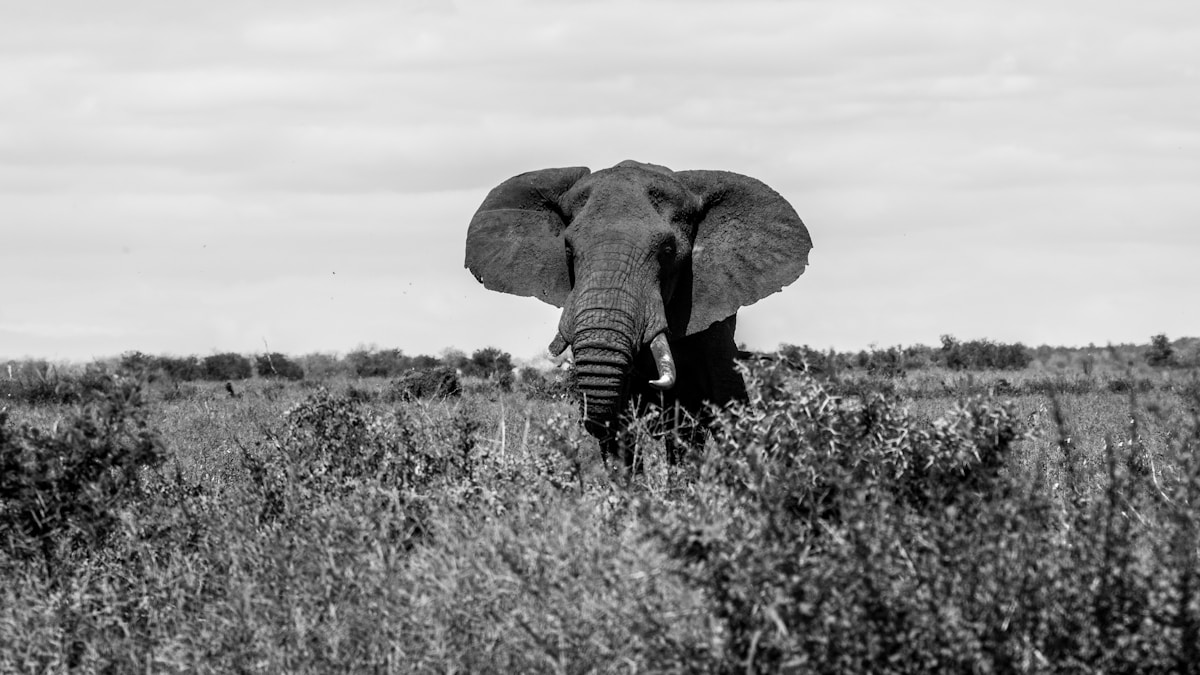
Kruger National Park reaches its centenary on 31 May 2026, marking 100 years since South Africa formally established its first national park in 1926. The anniversary is being marked with official conservation events across the park’s 19,485 square kilometres, and rangers are reporting some of the most rewarding game-viewing conditions in recent years - the result of heavy rains earlier in 2026 that have transformed the landscape.
The floods inundated portions of the park, temporarily closing certain routes and rest camps. The environmental effect has been a dramatic green flush: nutrient-rich silt deposited across floodplains has regenerated grasses faster and richer than usual, drawing game into open ground in unusually high concentrations. Main rest camps including Shingwedzi, Olifants and Mopani are fully operational. Letaba Rest Camp is running a complete suite of services, including its Elephant Museum, which traces a century of elephant management in the park.
What the centenary week includes
SANParks is marking the 31 May date with a programme of events across the park. Guided night drives will include extended briefings on the history of conservation in the Lowveld, ranger-led bush walks are running on a bookable basis at several camps, and visitor centre presentations at major rest camps are covering the wildlife management decisions that shaped Kruger over the past 100 years. Full programme details are available directly from SANParks.
Kruger now draws close to two million visitors annually and generates over R800 million in tourism revenue - funding that feeds directly back into anti-poaching, habitat management and veterinary care across the reserve.
Why conditions are particularly good right now
May and June are already among the strongest months for game viewing in Kruger. As the dry season sets in, vegetation thins, water sources concentrate, and animals cluster predictably around rivers and pans. The post-flood green flush adds a layer of unusual richness this year: herds are moving across the open floodplains more visibly than in a typical dry season, and predator activity following the prey concentration has been strong.
Reaching Kruger
The most practical entry points for the northern section of the park are Hoedspruit and Phalaborwa airports. For the southern camps - including the busiest, Skukuza and Lower Sabie - Kruger Mpumalanga International Airport near Nelspruit is the closest option. Most international travellers route through Johannesburg. Our guide to getting around South Africa covers how domestic flying to the Lowveld compares with the roughly five-hour drive from Joburg.
The surrounding Mpumalanga region pairs well with a Kruger stay. The Panorama Route and Blyde River Canyon are within reach of the park’s western boundary, and many travellers build two to three days in the broader Lowveld before or after time in the reserve.
We’d recommend a minimum of three nights inside the park - two nights gives only one full day, which is rarely enough time to cover the varied habitats between the southern and northern sections. Our Kruger safari guide covers self-drive versus guided, rest camp selection, and the practical logistics of visiting Kruger National Park for the first time. You can also browse and book safaris and guided tours in Kruger directly through GetYourGuide.
The centenary is a rare alignment of milestone occasion and genuinely exceptional conditions. If a Kruger safari has been on the list, 2026 makes a strong case for acting on it.