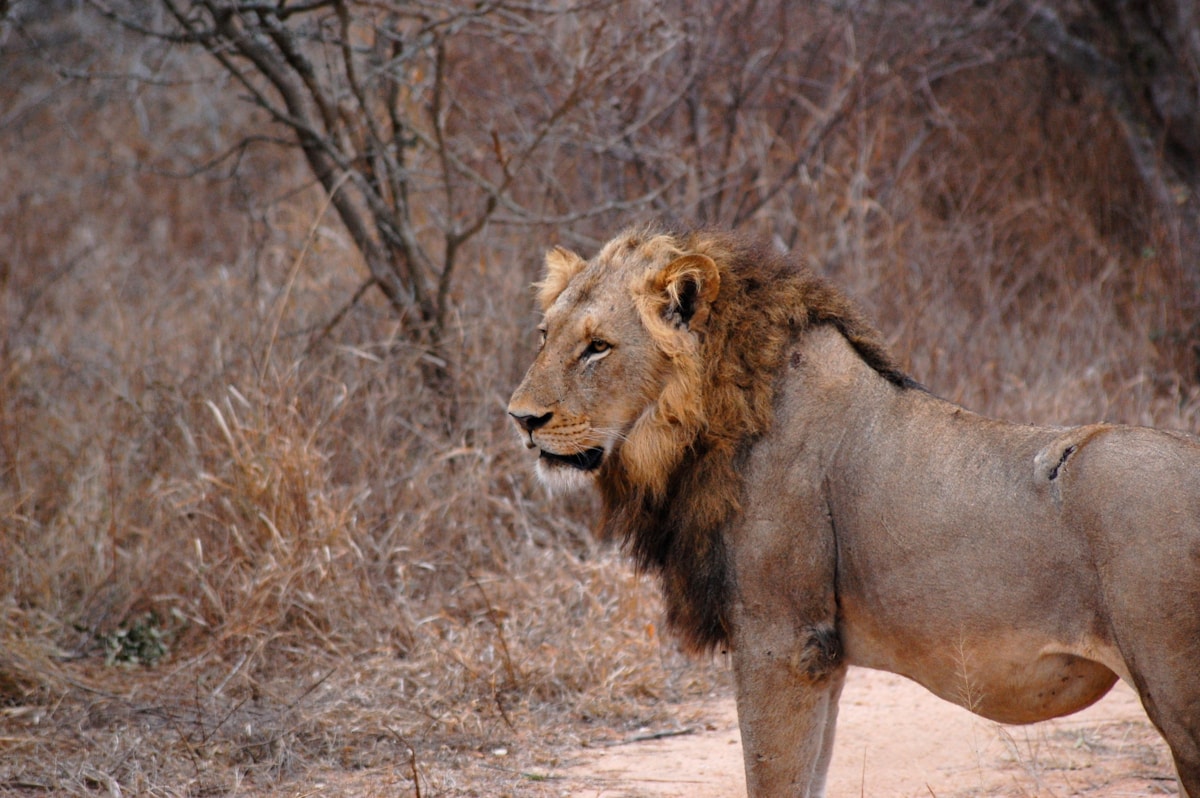
South Africa’s two most popular self-drive safari destinations are separated by 450 km and a malarial zone. Kruger National Park is the country’s flagship - vast, wildlife-dense, and the bucket-list name. Pilanesberg is newer, smaller, malaria-free, and two hours from Johannesburg. Both offer the Big Five. Choosing between them depends almost entirely on three factors: how much time you have, whether malaria is a concern, and where your flight lands.
Quick Verdict
| Factor | Kruger | Pilanesberg |
|---|---|---|
| Size | 19,485 sq km | 572 sq km |
| Distance from JNB | 5–6 hours (or fly to HDS/MQP) | 2–2.5 hours |
| Malaria risk | Yes - prophylaxis recommended | None - malaria-free |
| Big Five | All five, reliably | All five present |
| Self-drive | Yes - extensive tar roads | Yes - tar and gravel |
| Entry fee (international) | R396/day as of 2026 (SANParks) | ~R230/day as of 2026 (NW Parks) |
| Accommodation variety | Excellent - SANParks restcamps + private | Good - Bakubung, Sun City, Kwa Maritane |
| Crowds | Moderate outside school holidays | Higher density on weekends |
| Best season | May–September (dry, animals visible) | Year-round; May–September best |
Bottom line: Kruger for a dedicated safari trip with time to do it properly. Pilanesberg for a weekend safari from Johannesburg, families, or anyone avoiding malaria.
The Wildlife
Kruger: At 19,485 sq km, Kruger has over 147 mammal species, 500+ bird species, and an estimated 13,700 elephants, 27,000 buffalos, and 2,800 lions. Leopard density in the south is among the best in Africa. Wild dog sightings are possible (a roughly 10–15% chance per visit in their territory). The size works in your favour - you can spend 4–5 days and still encounter new areas.
The southern Kruger (Skukuza, Berg en Dal, Lower Sabie region) is the densest for game and recommended for first-time visitors. The central and northern sections are wilder and less trafficked.
Pilanesberg: Established in 1979 as a reintroduction project, Pilanesberg is set in the crater of an ancient extinct volcano (2 billion years old). All Big Five were successfully reintroduced. Game density per square kilometre is actually high - lions, elephants, rhinos, buffalo, and leopards are all routinely seen by self-drivers. Giraffe, zebra, wildebeest, and hippo are very common.
The circular roads are designed for easy navigation. On a full day’s game drive, a first-time self-driver in Pilanesberg will typically see 3–4 Big Five species. Given the small size, repeat drives through the same areas are less rewarding than Kruger over a multi-day stay.
Malaria
This is the single most practically important difference for many travellers.
Kruger: Sits in a malaria zone (Limpopo and Mpumalanga lowveld). Prophylaxis is strongly recommended year-round, particularly during the summer rainy season (November–April). Common options include atovaquone-proguanil (Malarone), doxycycline, or mefloquine - consult a travel clinic 4–6 weeks before departure.
Pilanesberg: Located in the North West Province at higher altitude (around 1,000 m). No malaria transmission risk. This makes it the recommended choice for:
- Families with infants or young children (prophylaxis not suitable under a certain age/weight)
- Travellers who react badly to or cannot take anti-malarials
- Short trips of 2–3 days where starting prophylaxis isn’t practical
Getting There
Pilanesberg:
- Drive from Johannesburg: 180 km, approximately 2–2.5 hours via N14/R510
- No flight required
- Park at Bakubung Gate, Manyane Gate, or Kwa Maritane Gate
Kruger: By road:
- Johannesburg to Numbi Gate (south) - 430 km, 5 hours
- Johannesburg to Paul Kruger Gate (central) - 440 km, 5.5 hours
By air:
- Kruger Mpumalanga International Airport (MQP, Nelspruit) - daily flights from JNB, ~1 hour. Transfer to south Kruger 1 hour
- Hoedspruit Airport (HDS) - nearest to central/north. Daily flights from JNB/CPT
Flying into Kruger adds cost (R1,200–R2,500 one-way, US$66–US$138 on budget airlines as of 2026) but reduces driving fatigue significantly for stays of 3+ days.
Cost
Kruger:
- Entry fee: R396/day international visitors as of 2026 (SANParks.org - fees updated annually)
- SANParks restcamp accommodation: R600–R2,200/night for a cottage (2 adults)
- Private lodge adjacent to Kruger: R4,000–R20,000/night (game drives included)
- Self-catering chalets available; most camps have restaurants or takeaways
Pilanesberg:
- Entry fee: approximately R230/adult as of 2026 (verify at nwparks.co.za)
- Bakubung Bush Lodge: chalets from R2,800/night (US$154) including park entry
- Kwa Maritane Bush Lodge: from R3,200/night (US$175)
- Sun City hotel complex at park boundary: R2,000–R5,000/night (US$110–US$275), access to park gates
- Manyane Resort (budget): camping from R350/night, chalets from R1,100/night (US$60)
For a 2-day self-drive trip, Pilanesberg can be slightly cheaper overall once you factor in Kruger’s longer drive and potential flights. For a 5-day dedicated safari, Kruger offers more flexibility and better value per day of wildlife.
Self-Drive Experience
Both parks are excellent for self-drivers, which is genuinely unusual in an African safari context.
Kruger has over 2,500 km of roads - a mix of tar and gravel. Speed limit is 50 km/h on tar, 40 on gravel. You can open the sunroof but must stay in the vehicle except at designated picnic spots and restcamps. Download the SANParks app before entry - it has offline maps, recent sighting reports, and gate times. Skukuza, Lower Sabie, and Satara are the classic central routes.
Pilanesberg is more compact and easier to navigate. The circular Tlou Drive, Hippo Trail, and Mankwe Dam roads are all clearly signposted. The smaller area means you’ll cover the same routes multiple times on a 2-day stay - which is fine for seeing multiple Big Five but less satisfying than Kruger’s explorable scale.
Tip for both: be at the park gate when it opens (5:30–6:00 am depending on season). The first 2 hours of daylight and last 2 hours before sunset are when predators are most active.
Accommodation Inside the Parks
Kruger restcamps (SANParks):
- Skukuza - largest camp; restaurant, shop, petrol, wifi. Cottages R1,200–R2,200/night as of 2026
- Lower Sabie - river views, great lion territory. Cottages R1,100–R1,800/night
- Berg en Dal - southern camp; rhino territory, family-friendly. Chalets R1,000–R1,600/night
- Satara - central; best lion sightings historically. Cottages R1,100–R2,000/night
Search hotels in Kruger National Park on Booking.com
Pilanesberg lodges:
- Bakubung Bush Lodge - mid-range, overlooks hippo pool, full board available
- Kwa Maritane Bush Lodge - thatched chalets, game drives bookable on-site
- Manyane Resort - budget-friendly, basic chalets and campsites
Search hotels in Pilanesberg on Booking.com
Book SANParks restcamps at sanparks.org well in advance for school holidays and long weekends.
Best For
Choose Kruger if:
- You have 3–5 days or more to dedicate to safari
- You want the definitive South African wildlife experience
- Variety of game, scale, and birding matter
- You’re flying into Johannesburg or Nelspruit
Choose Pilanesberg if:
- You’re based in Johannesburg and have a weekend
- Malaria is a concern - especially for families with young children
- You want Big Five without the planning of a full Kruger trip
- You want to combine with Sun City resort
For more detail on each park, read our Kruger National Park guide and Pilanesberg guide. If you’re deciding between Kruger and a private reserve, see our Kruger vs private game reserve comparison. Heading to Johannesburg before or after? See the Johannesburg city guide. For a full safari budget breakdown, see our South Africa safari cost guide.
Ready to plan your trip? Kruger Safari & Tours, Car Hire in South Africa, or Travel Insurance for South Africa.
See Also
- Kruger self-drive safari guide - if Kruger wins, this covers your planning
- 5-day Kruger safari itinerary - day-by-day Kruger plan
- South Africa vs Kenya safari comparison - if you’re still weighing international options
- Best time to visit South Africa - when to go for best game viewing in each park
- Kruger vs Addo - similar malaria trade-off but for Cape Town-based travellers on the Garden Route
- Pilanesberg vs Madikwe - if Pilanesberg is winning, this comparison settles the North West question (Pilanesberg self-drive vs Madikwe guided)
- Where to stay near Sun City and Pilanesberg - lodge and hotel options for the Sun City and Pilanesberg combination weekend
- Self-drive vs guided safari in South Africa - once you’ve chosen the park, deciding how to experience it
Plan Your Trip
✈️ Book your flights to South Africa 🛡️ Get travel insurance 📱 Stay connected with an eSIM 🚗 Rent a car