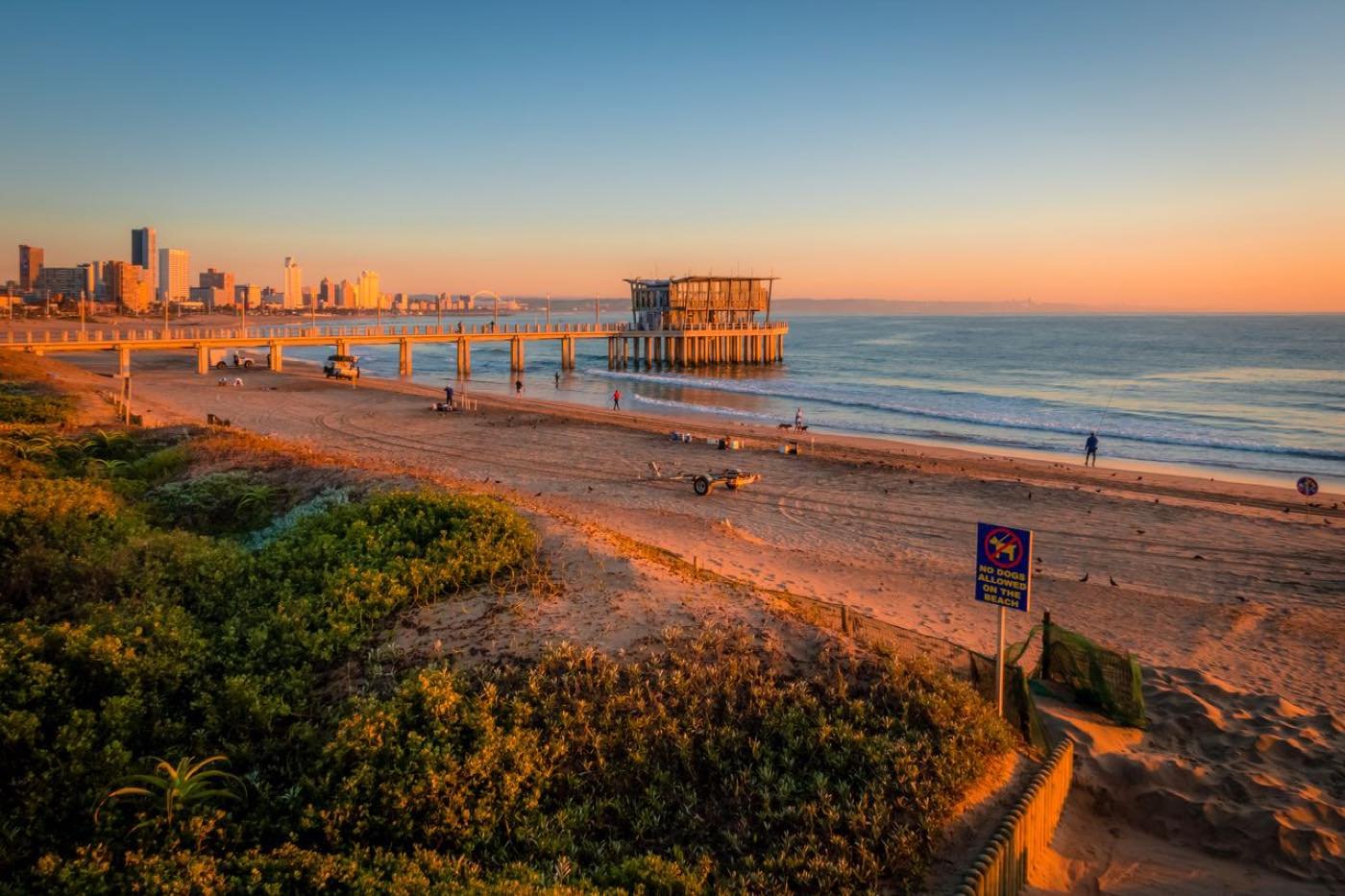
For European travellers, South Africa is a rare winter-sun option where the weather is genuinely summer. From November to February we get long days, midsummer heat and sea swimming, though how good the beach is depends on which coast you pick. The Atlantic side of Cape Town is bracing, the Indian Ocean in KwaZulu-Natal is warm, and the north is hot and stormy. This guide compares the four months by region, so you can choose a base for each. Figures are long-term averages and approximate, and costs are indicative as of 2026.
For a destination head-to-head, see our South Africa vs Kenya for winter sun comparison, and for the hottest places in December, our warmest place in South Africa in December guide.
Month-by-month comparison, November to February
| Region | Nov | Dec | Jan | Feb |
|---|---|---|---|---|
| Cape Town day / night | 24 / 13°C | 26 / 15°C | 27 / 16°C | 27 / 16°C |
| Cape Town Atlantic sea | 14°C | 15°C | 16°C | 16°C |
| Cape Town False Bay sea | 17°C | 18°C | 19°C | 19°C |
| Garden Route (Plett) day / night | 22 / 14°C | 24 / 15°C | 25 / 16°C | 25 / 16°C |
| Garden Route sea | 17°C | 18°C | 19°C | 19°C |
| Durban day / night | 26 / 19°C | 27 / 21°C | 28 / 22°C | 28 / 22°C |
| Durban sea | 23°C | 24°C | 25°C | 25°C |
| Johannesburg day / night | 25 / 14°C | 26 / 15°C | 26 / 16°C | 26 / 16°C |
| Kruger (Skukuza) day / night | 32 / 20°C | 33 / 21°C | 33 / 21°C | 33 / 21°C |
| Rain days, Cape Town | about 4 | 2 | 1 to 2 | 2 |
| Rain days, Durban | about 11 | 12 | 13 | 11 |
These are approximate values from standard climate records, rounded. Our monthly guides have more detail on each month.
Best resort base per month
November: Cape Town and the Winelands. It is the shoulder month, with 24°C days, fewer crowds and rooms around 40% cheaper than December. The Atlantic is too cold for swimming for most, so swim at False Bay or pool-side. Stellenbosch and Franschhoek work well as bases, see our Stellenbosch hotels guide. Read the November guide. Book Cape Town hotels early for the best rates.
December: Durban, Umhlanga or Plettenberg Bay. For genuine beach swimming, KwaZulu-Natal wins, with a 24°C sea and 27°C days. Expect humidity and afternoon thunderstorms and peak school-holiday prices. Plettenberg Bay is the Garden Route’s best December beach. Cape Town is dry and sunny but windy. See our December guide and Christmas guide.
January: Garden Route and Cape Town. Hottest month in the Western Cape, with 27°C average highs and occasional 35°C berg wind days. Cape Doctor winds blow in the afternoon, so pick leeward beaches. The crowd peaks in the first two weeks. Read the January guide.
February: Cape Town and Winelands. The most reliable month, with 27 to 30°C, two rain days and crowds easing after school returns. It is also grape harvest, so it doubles as a wine trip. Read the February guide.
Which region suits which traveller
| Traveller | Best base | Why |
|---|---|---|
| Beach swimmers | Durban, Umhlanga, Ballito | Warm Indian Ocean, 24 to 26°C |
| Sightseeing and wine | Cape Town and Stellenbosch | Dry, reliable, dramatic scenery |
| Families | Plettenberg Bay, Knysna | Calm lagoons, safe beaches, malaria-free |
| Safari add-on | Eastern Cape (Addo) | Malaria-free, easier than hot green Kruger |
| Budget | Late November or mid-February | Shoulder rates, fewer crowds |
Costs and booking windows
As of 2026, Cape Town mid-range rooms start from approximately R2,000 to R3,000 per night in November, rise to R4,000 or more in the 20 December to 10 January window, and ease in mid-February. Luxury properties on the Atlantic Seaboard can exceed R8,000 per night at peak. Flights from the UK average approximately £600 to £750 in November and £900 to £1,400 over Christmas. Book accommodation 4 to 6 months ahead for December and January. More on spending is in our budget and costs guide.
Beach conditions in practice
Warm air does not always mean warm water, and that is where winter-sun trips to South Africa go wrong. On the Atlantic Seaboard at Clifton and Camps Bay, the water rarely tops 16°C, which feels like a cold plunge pool rather than a swim. Most visitors sunbathe, paddle and walk. False Bay beaches such as Muizenberg and St James are noticeably warmer, with a more gentle surf and shark-spotter flags on duty. On the Garden Route, Plettenberg Bay’s Central Beach and Keurbooms Lagoon are the best swimming spots, with lagoons warming above the sea temperature. On the KwaZulu-Natal coast, swimming is easy, with netted, lifeguarded beaches from Durban’s Golden Mile to Umhlanga and Ballito, and sea temperatures that stay above 23°C all four months. Check flags and lifeguard notices wherever you swim.
What to pack
- Light layers for daytime heat and cool Cape Town evenings of 14 to 16°C.
- Sun protection: SPF 50, a hat and sunglasses. UV is very high from November to February.
- A windproof jacket for Cape Point and the Atlantic Seaboard.
- A light rain jacket for Durban, Johannesburg and Kruger, where afternoon downpours are normal.
- Reef-safe swim gear, a rash vest if you surf, and water shoes for rocky beaches.
- Malaria tablets if going to Kruger or northern KwaZulu-Natal. Cape Town, the Garden Route and Addo are malaria-free. See our health and vaccinations guide.
Our full packing list includes adapters and gear for safaris.
A sample two-week plan
If you have 14 days, we suggest splitting the time by sea temperature. Spend the first week in Cape Town and the Winelands, with a day on the Peninsula to Boulders Beach and Cape Point, then drive the Garden Route to Plettenberg Bay. Fly from George or Port Elizabeth to Durban for the second week, and finish on the warm KwaZulu-Natal coast. This gives you scenery and wine first and warm swimming last. Our 14-day itinerary has the full route.
What can go wrong
- Wind. Cape Town’s southeast wind can blow at 40 to 60 km/h in the afternoon, closing Table Mountain’s cable car for hours or days.
- Heat and storms in the north. Kruger and Johannesburg run hot with violent afternoon storms, which can disrupt drives.
- Jellyfish and rip currents. Durban beaches use shark nets and lifeguards, so swim between the flags.
- Load shedding. Rolling power cuts have eased, but check load shedding in South Africa before booking self-catering.
- Safety. Take sensible urban precautions. See our safety guide.
Month-by-month guides
- South Africa in November - best value, 24°C and jacarandas
- South Africa in December - hot, busy and expensive
- South Africa in January - peak heat and school holidays
- South Africa in February - most reliable weather
- Christmas in South Africa and New Year’s Eve in South Africa
Book a guided Cape Town tour or Durban tour to fill your first sunny days. For official weather information, use the South African Weather Service.