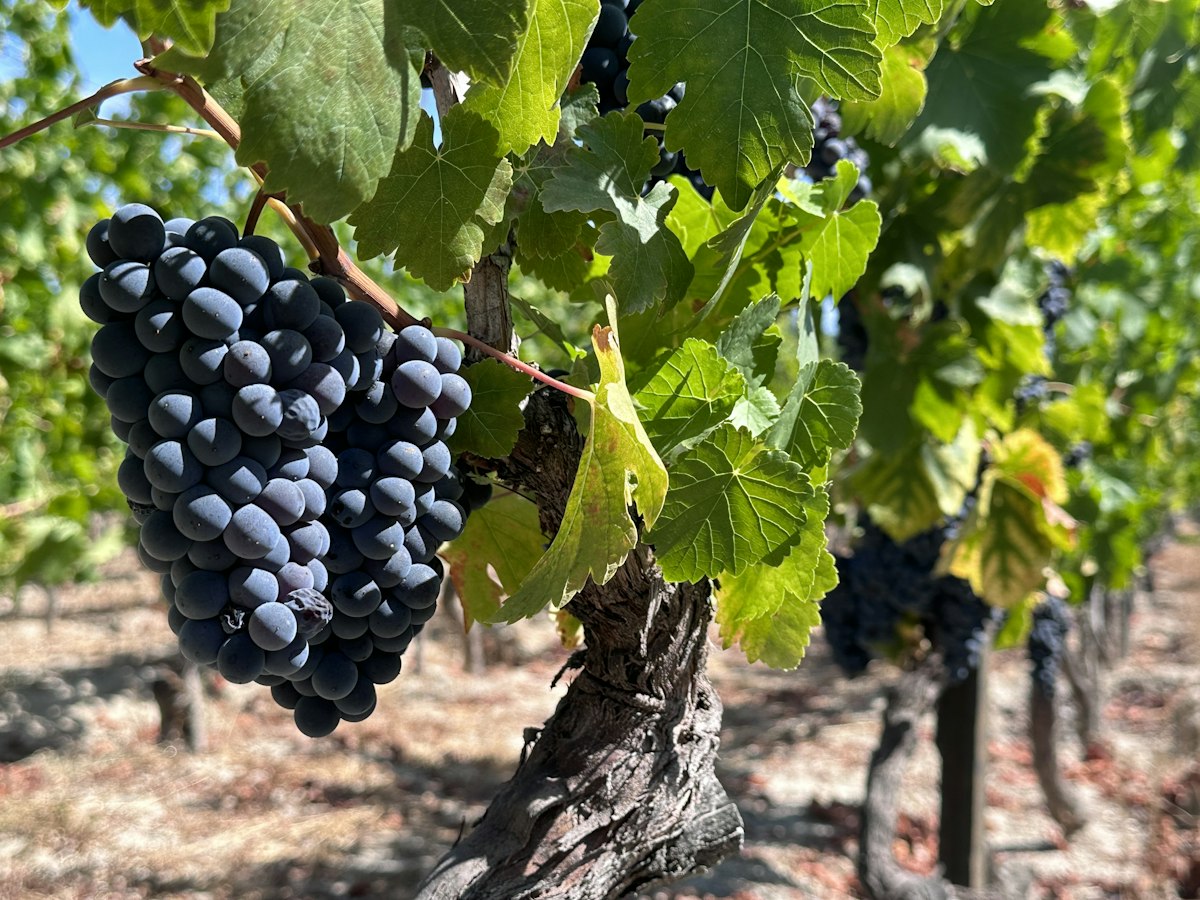
The Cape Winelands is Africa’s most established wine region and one of the few places in the Southern Hemisphere where you can watch a harvest in full swing during late summer. The season runs from February through April, with exact timing varying by variety, elevation, and farm. We have visited estates during each phase and the experience is genuinely different depending on when you go.
How the Harvest Calendar Works
South Africa’s wine harvest follows the same Southern Hemisphere logic as Chile and Argentina: summer falls December through February, which means grapes ripen from late January onward. The harvest sequence broadly runs like this:
Late January to February: Early white varieties come off first. Sauvignon blanc and chardonnay estates in the cooler parts of Stellenbosch and Elgin begin mechanical and hand harvesting from around mid to late January. By February the pace intensifies. Mornings on wine farms during this period often see teams starting at first light to pick before afternoon heat sets in.
March: The busiest month across the region. Cabernet sauvignon, shiraz, and merlot vineyards dominate March harvests in Stellenbosch, Paarl, and Franschhoek. This is when most estates run their public harvest events, cellar tours, and blending workshops. We consider March the single best month to visit if experiencing the harvest is your primary goal.
April: A slower close to the season. Late-ripening varieties, particularly pinotage in some areas and certain reds on higher-elevation Simonsberg slopes, continue through April. The pace eases and the region grows quieter again. Harvest lunches and “cellar rat” experiences are still available at many properties, and accommodation prices begin dropping from their February to March high.
Stellenbosch
Stellenbosch is the obvious base. The town sits 45 minutes from Cape Town Airport and is surrounded by more than 150 wine estates across several distinct routes: the Helshoogte Pass route into the mountains, the Stellenbosch Wine Routes covering Bottelary Hills, Simonsberg, and Stellenbosch Valley, and the Annandale Road corridor along the Eerste River.
During March, estates including Rust en Vrede, Waterford, and Kanonkop typically run harvest lunches where guests join in hand-picking a row or two before moving to tables in the vineyard. Prices for these experiences run from approximately R850 to R2,000 per person including food and wine pairings. Cellar tours at most large estates cost R200 to R400 per person year-round, but during harvest the working cellar is actively sorting and pressing fruit, which makes the tour substantially more interesting.
For help deciding between a Stellenbosch focus or a wider winelands itinerary, see our Cape Winelands vs Stellenbosch guide.
Franschhoek
Franschhoek is smaller and considerably more polished than Stellenbosch, with a main street of high-end restaurants and a French Huguenot heritage that shows up in estate names and architecture. The valley harvest runs slightly later than lower-elevation Stellenbosch, typically peaking in the second and third weeks of March for cabernet-dominant farms. The Franschhoek Wine Tram is a popular way to cover multiple estates without driving. Day tickets run approximately R350 to R450 per adult for the tram plus basic tastings; premium lunch packages are additional.
Paarl and Beyond
Paarl sits 15 minutes north of Stellenbosch and holds estates including Fairview, Rupert and Rothschild, and the large Paarl Valley cooperative. The harvest calendar here mirrors Stellenbosch fairly closely. Robertson, further east along the Breede River, is a warmer, drier region producing chardonnay and colombar and harvesting earlier, from late January into February.
What to Book Ahead
Harvest lunches at premium estates sell out quickly in March. We recommend booking six to eight weeks ahead for Saturday harvest experiences at well-known Stellenbosch properties. Weekday visits in February and early March are easier to secure without advance booking.
Self-catering accommodation and guesthouses in Stellenbosch town typically cost R1,800 to R4,000 per night for a double room during harvest season, with Cape Town as a base adding 45 minutes of driving each way.
Combining Harvest with Other Western Cape Experiences
February and March overlap with the tail end of the Cape Town summer, which means the harvest season stacks naturally with beach days at Boulders or Clifton, walking up Table Mountain in optimal conditions, and taking the Cape Point drive. The season also overlaps with the later stages of flower blooms in the Cape Floristic Region.
For timing notes on the whale season, which follows harvest by roughly two months, see our whale watching guide. For broader seasonal planning see our best time to visit South Africa overview.