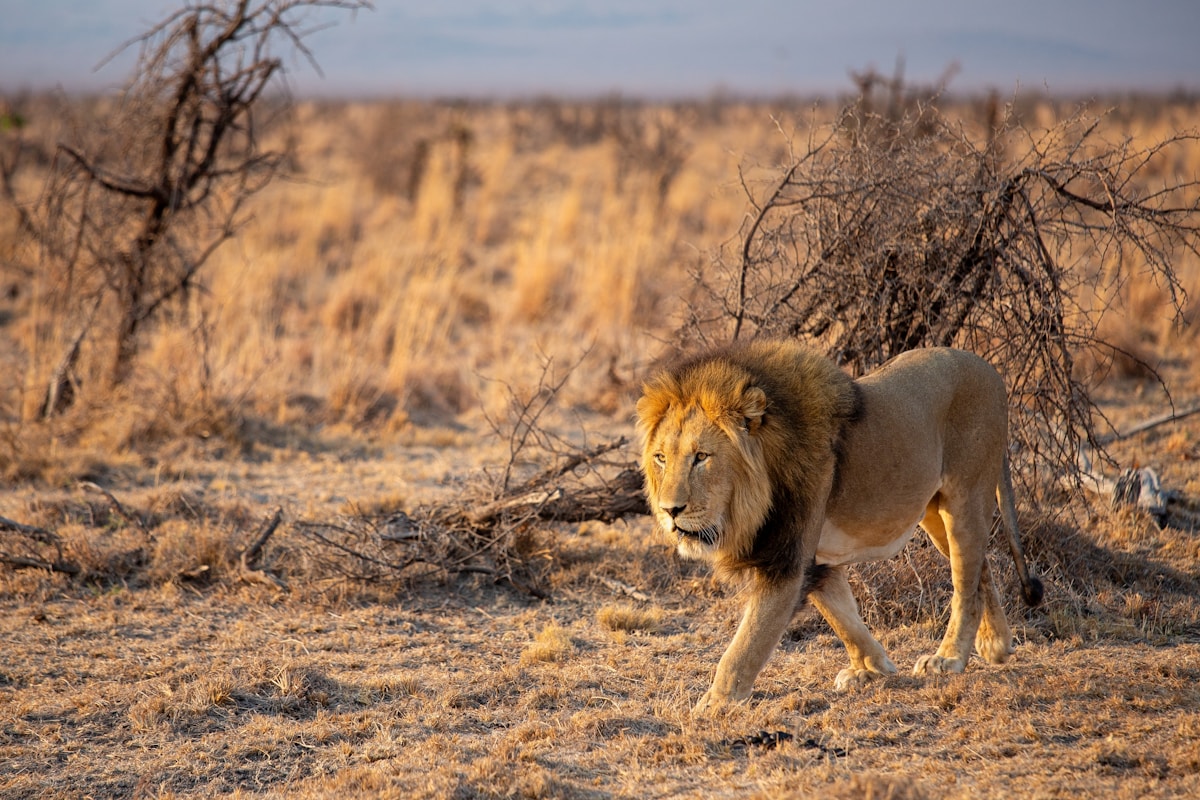
Few game reserves in Africa make you feel as remote - or as humbled - as Kgalagadi. Straddling the Northern Cape and Botswana, this vast semi-arid wilderness covers nearly 38,000 km², making it more than twice the size of Kruger. There are no crowds here, no convoys of tourist vehicles. Just red dunes, dry riverbeds, and some of the most photogenic predators on the continent.
Location and Getting There
Kgalagadi Transfrontier Park sits in the far northwest of the Northern Cape, sharing an unfenced border with Botswana’s Gemsbok National Park - together they form one of the world’s largest conservation areas. The nearest town of any size is Upington, which has a regional airport (Upington Airport, UTN) with daily flights from Cape Town and Johannesburg. From Upington, the main gate at Twee Rivieren is approximately 260 km southwest - a two-and-a-half to three-hour drive on good tar road.
From Cape Town, the drive is roughly 840 km (around 8–9 hours) via the N7 to Springbok and then east through Askham. From Johannesburg, count on 10–11 hours via Kimberley and Upington. Most visitors fly to Upington and self-drive the final stretch, or hire a vehicle in Upington for the park itself.
The Animals: What You’ll Actually See
Kgalagadi is famous for its predators. The park has no buffalo, so it differs from the classic Big Five; but it more than compensates with sheer predator density and visibility.
Black-maned Kalahari lions are the headline act. The dry Kalahari climate encourages males to grow exceptionally full, dark manes - they are routinely cited as some of the most spectacular lion photographs taken anywhere in Africa. Lions here are habituated to vehicles and often walk the riverbeds for kilometres, giving photographers extended close encounters.
Cheetah are seen with remarkable regularity, often in coalition - brothers hunting together along the red dune crests. Leopard are present but more nocturnal. Spotted hyena, brown hyena (particularly rare elsewhere), bat-eared fox, aardwolf, meerkats, and massive sociable weaver nests draped over every telephone pole and camel thorn tree round out the cast.
The park also has gemsbok (oryx), springbok, blue wildebeest, and eland in large numbers - the prey base that keeps the predator population healthy. Raptors are outstanding: martial eagle, secretary bird, pale chanting goshawk, and several falcon species hunt along the dune ridges year-round.
Rhino numbers are low and sightings are not guaranteed; elephant are occasionally seen near waterholes in the Nossob section but are not reliably present. Do not come expecting a classic Big Five checklist - come expecting something wilder and less predictable.
Best Time to Visit
June to September is peak season for predator activity. The dry winter strips vegetation back, concentrating game at waterholes, and the cooler temperatures bring animals out during daylight hours. Lion prides are highly active, cheetah are visible on the dune crests at dawn, and the golden light of a June sunrise over red sand is spectacular.
October and November are hot (temperatures push to 40°C+) but can produce excellent sightings as animals become desperate for water near the end of the dry season.
Summer (December to February) brings rains that green the landscape and trigger spectacular bird migrations, but game is dispersed and predator viewing is harder. Internal roads can flood, making some areas inaccessible without high clearance.
The Three Main Camps
Twee Rivieren (Main Camp)
The park’s main entry point and most developed camp. It sits at the confluence of the Nossob and Auob riverbeds and has the park’s only petrol station (keep the tank topped - the distances between camps are long). Accommodation includes self-catering chalets from approximately R2,100 per unit per night for a standard two-bed chalet, rising to around R3,500 for larger or family units (as of 2025/26 SANParks rates; international visitors pay higher tariffs). The camp has a small shop, restaurant, and swimming pool. Wi-Fi is available but unreliable.
Nossob Rest Camp
Deep in the park, 160 km north of Twee Rivieren via the Nossob riverbed - a half-day drive that is itself one of the park’s great wildlife corridors. Nossob is smaller and more rustic. Chalets run from approximately R1,900 to R3,000 per unit per night. The camp has a petrol pump (not always reliable - phone ahead), a small shop, and a hide overlooking a waterhole that attracts gemsbok, lion, and cheetah. No restaurant; self-catering only.
Mata Mata Rest Camp
Located on the Auob riverbed 120 km northwest of Twee Rivieren near the Namibian border. Mata Mata is the smallest and quietest of the three. Chalets from approximately R1,800 to R2,500 per unit per night. The riverbed drive between Twee Rivieren and Mata Mata is consistently one of the park’s best lion corridors. There is also a border post here where visitors with permits can cross into Namibia.
Park entry fees for international visitors are approximately R438 per adult per day as of 2025/26 SANParks pricing - check sanparks.org for current rates as they increase annually.
4x4 Requirements and Self-Drive Logistics
This is a critical point: the main tar roads connecting the three camps do not require a 4x4. A standard sedan can drive the Auob and Nossob riverbeds without issue. However, the wilderness trails - the 4x4-only tracks deep into the red dunes, including the Bitterpan, Urikaruus, and Union’s End wilderness areas - require a high-clearance 4x4 and are for experienced off-road drivers only.
These wilderness areas provide the most immersive experience in the park, with no other vehicles and primitive overnight facilities. They must be booked months in advance through SANParks and are limited to one or two vehicles per trail.
Search hotels in Upington on Booking.com
For most visitors, a standard 2x4 vehicle with good tyres and sufficient fuel range is adequate. Fill up at every opportunity. The Auob to Nossob cross-route (Twee Rivieren to Nossob direct) is over 300 km return. Mata Mata to Nossob is 180 km one-way. There is one petrol stop each way. Running dry in 40°C Kalahari heat is not a theoretical risk.
Carry at minimum: 20 litres of water per person per day, vehicle jump leads, a tyre repair kit, and food for an extra two days in case of vehicle trouble or road closure. Mobile signal is absent in most of the park.
How Kgalagadi Compares to Kruger
Both are world-class, but they deliver completely different experiences. Kruger has greater overall biodiversity, more predictable Big Five sightings, better infrastructure, and paved roads throughout. It suits first-time safari visitors who want reliable game, comfortable lodges, and easy logistics.
Kgalagadi rewards patience and repeat safari visitors. Game sightings here feel earned - you may drive two hours without seeing a large predator, then round a bend to find three cheetah brothers making a kill on the dune slope in front of you. The isolation, the silence, the Kalahari colour palette at sunset - these are things Kruger cannot replicate.
If you have one safari in your life, go to Kruger. If you’ve done Kruger and want something that will reset your sense of what wild actually means, go to Kgalagadi.
Booking Tips
SANParks accommodation books out months in advance, particularly for June–August. The SANParks online booking system opens 11 months ahead. For peak dates, book the day it opens. Cancellations do appear occasionally - check regularly.
For visitors focused on malaria-free safari options, Kgalagadi is an excellent choice: the Northern Cape is a malaria-free region year-round. See our full malaria-free safari guide for more options across South Africa.
Browse Northern Cape and Kgalagadi tours on GetYourGuide.
SANParks tariffs quoted are approximate 2025/26 international visitor rates. Verify current pricing at sanparks.org before booking.